Days until our Noovo delivery:
The other day, I wrote about journaling, about treating your journal as an extension of your brain, not only as storage but as a part of the processing of your thoughts. But I left out the answer to the most vexing question. If you are going to write, what are you going to write on?
None of the apps make any sense. One of the main benefits of writing on paper is that it slows you down and gives your brain a chance to work on what you are going to say, what you are going to think. And aren’t you trying to get to a world with less screen time, not more?
You could go old-school and buy a used typewriter. There are still places you can buy them, all beautiful and oiled again. I stumbled onto the world of typewriters a few years ago when I needed a half dozen for a video project. A friend, an antique dealer, contributed a few of his, and I purchased many more, with the whole collection peaking at around thirty-seven typewriters from throughout the history of typewriters (up to the introduction of the personal computer, at least). I finished the project, but in the process I gained an affection for several of them, and now those are tucked away in various corners of my house.
I still have the Adler Universal, a relative of its more famous cousin, which had a starring role in Stanley Kubrick’s The Shining, the Adler Tippa S, which, as any true Kubrick fan would know, is the bright yellow typewriter Kubrick is seen typing on in the documentary The Making of the Shining. Olivetti made nice machines, and their small Lettera 22, the same model used by Cormac McCarthy, which was auctioned off for $209,500 in 2009 (McCarthy went out and bought another Lettera 22 immediately afterwards), which is my smallest typewriter and the one I would bring in a camper van, if I were so inclined. Then there’s the Olympia SG-3 (perhaps the finest desktop typewriter ever made) and the Olympia SM3, commonly cited as the best portable typewriter (although I think that honor goes to the later Olympia SM9, which sits in my office). Perhaps the most beautiful typewriter is this Hermes 3000, which e-Bays for a ridiculous amount of money—so far, I have resisted any urge to sell.
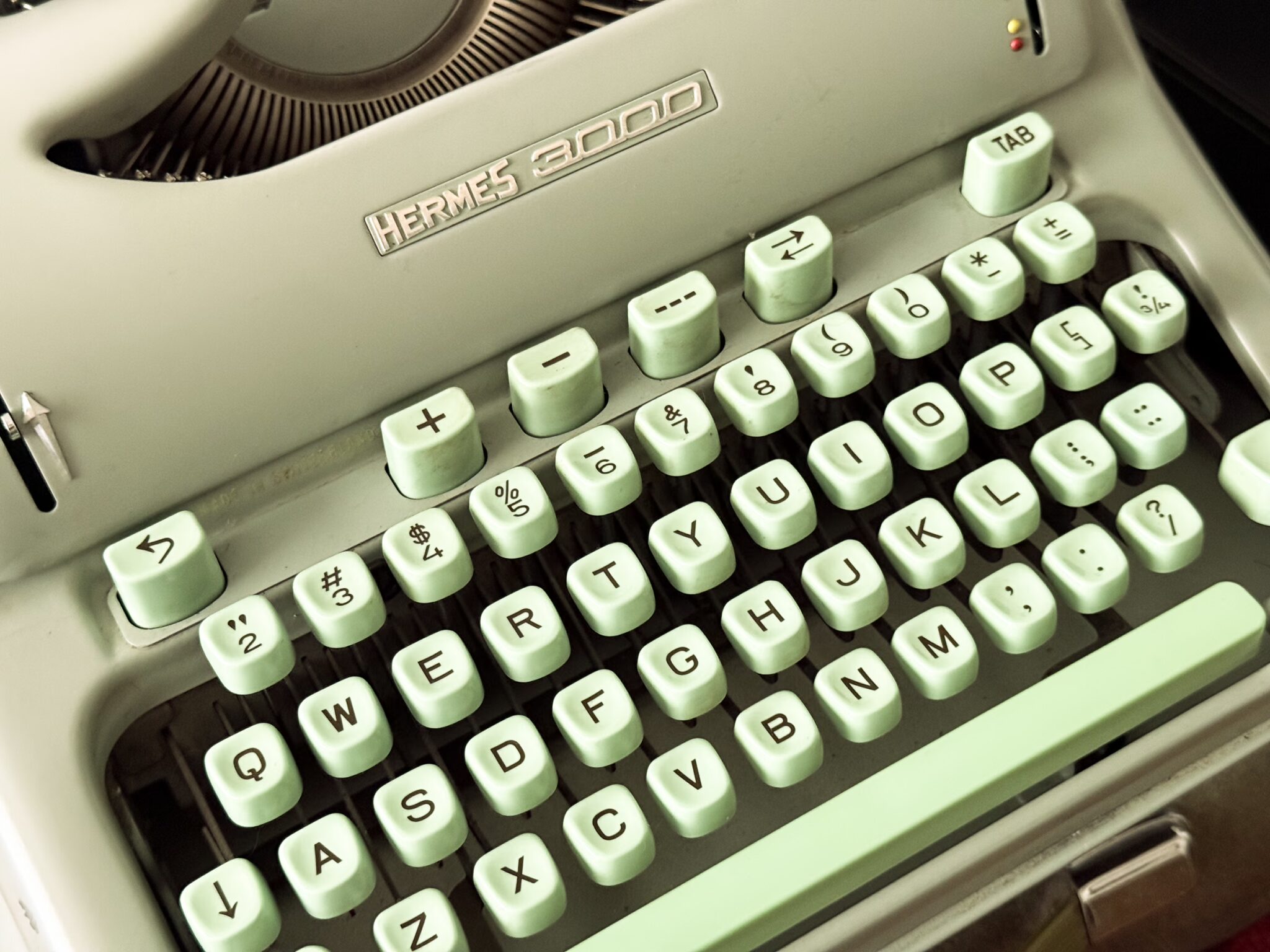
But typewriters, even the “portable” ones, are big and heavy, and the quietest ones will annoy everyone in any coffee shop, and maybe everyone in the shop next door, too.
You don’t need a typewriter. You need to write in a paper journal. Any journal will work, of course, but since you’ve come this far, perhaps you should go a little bit further and consider your journal choices.
If you go to Target or any place that has an office product aisle, you’ll probably see a display of Moleskine journals. A few decades ago, when I purchased my first Moleskine, it had a little paper insert tucked in the back. The wording of the insert has changed over the years, but this version gives you the basic idea:
It is two centuries now that Moleskine has been the legendary notebook of European artists and intellectuals, from Van Gogh to Henri Matisse, from the exponents of the historical avant-garde movements to Ernest Hemingway. Many are the sketches and notes, ideas and emotions that have been jotted down and harboured in this trustworthy pocket-size travel companion before being turned into famous pictures or the pages of beloved books.
And that’s just the first paragraph. Impressive, huh? Only it is complete b.s., a total fabrication by the Moleskine marketing department. Moleskine, the company, was founded in 1997. In 2006 they were acquired by a private equity firm, which moved most production to China.
Maybe not quite the ambiance you were looking for?
My next choice was a company called Field Notes, which makes pocket-sized journals. They are terribly inventive with their designs and even offer a subscription. I did subscribe for a time, and the little journals were a delight to open with every delivery, but the pace of the arrival of new journals outpaced my ability to write in them and even outpaced my ability to give them away as gifts. I had to unsubscribe. Here are a few of the “leftovers” that I keep in a box in my garage.
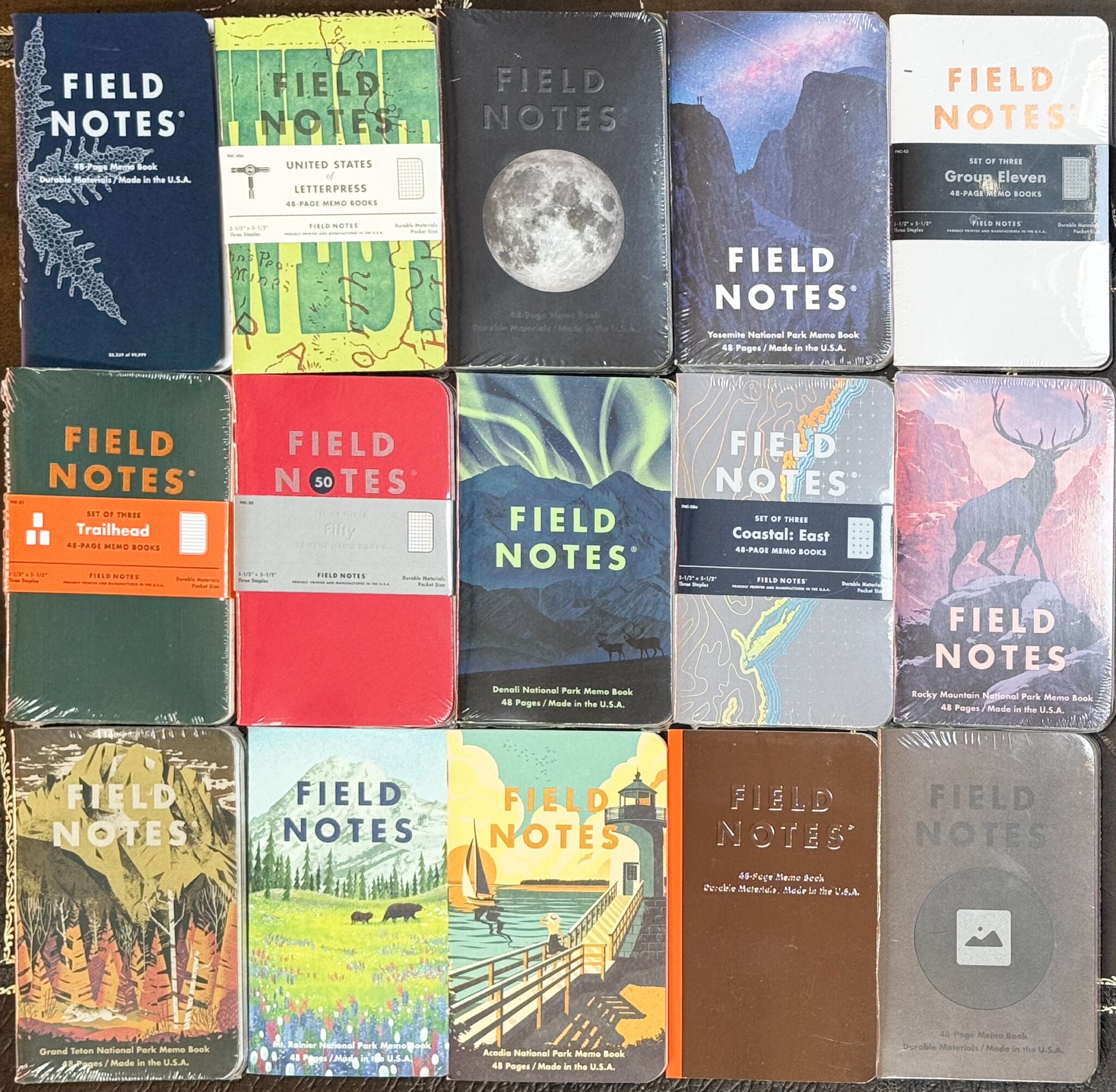
The folks at Field Notes are journal nerds in the best possible way, proud of their paper choice for each new journal’s construction, proud of their designs and collaborations. All field notes are printed in the USA but the printer varies depending on the needs of the design and the nature of each collaboration. Field Notes makes more traditional journals, as well, in solid colors. There is even an orange waterproof version, which is what I mostly used. But their limited edition designs will brighten your day and perhaps your writing. Field Notes are sold via their own webpage, and at select stationery stores. Amazon also carries them, which is news to me.
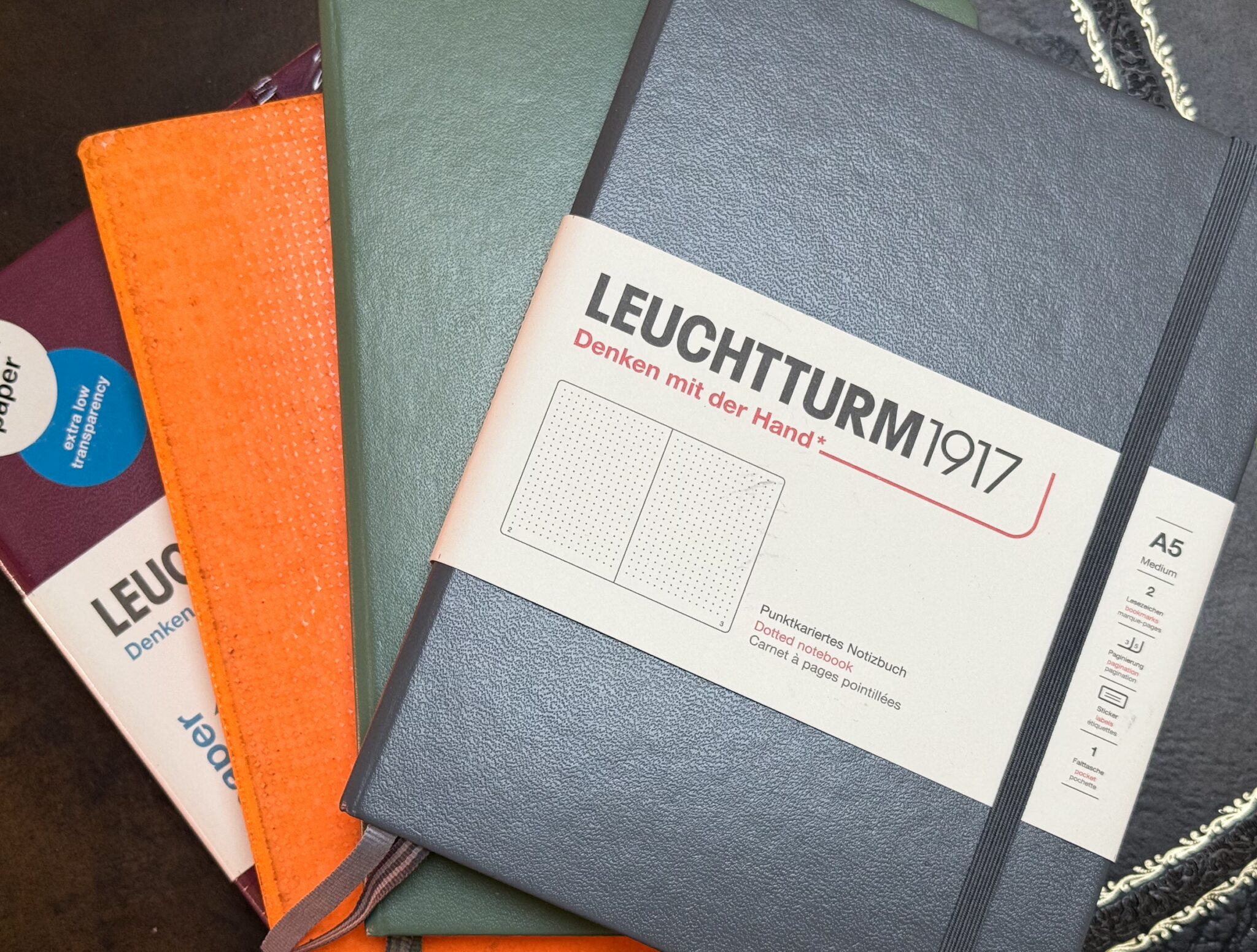
From there, I drifted to larger journals. I wanted a Moleskine-style journal but without the Moleskine-style dishonesty. I discovered the Leuchtturm1917 brand at an art store, and it was perfect. Designed in Germany and printed in Taiwan, this journal is what Moleskine should have been (and might have once been) in terms of quality. The paper feels great, and the construction is solid. They make a version with thicker (120 gsm) paper, if you want to use markers or other writing instruments that might bleed through thinner papers. Leuchtturm1917 is a solid choice and is available in more and more places, including Amazon.
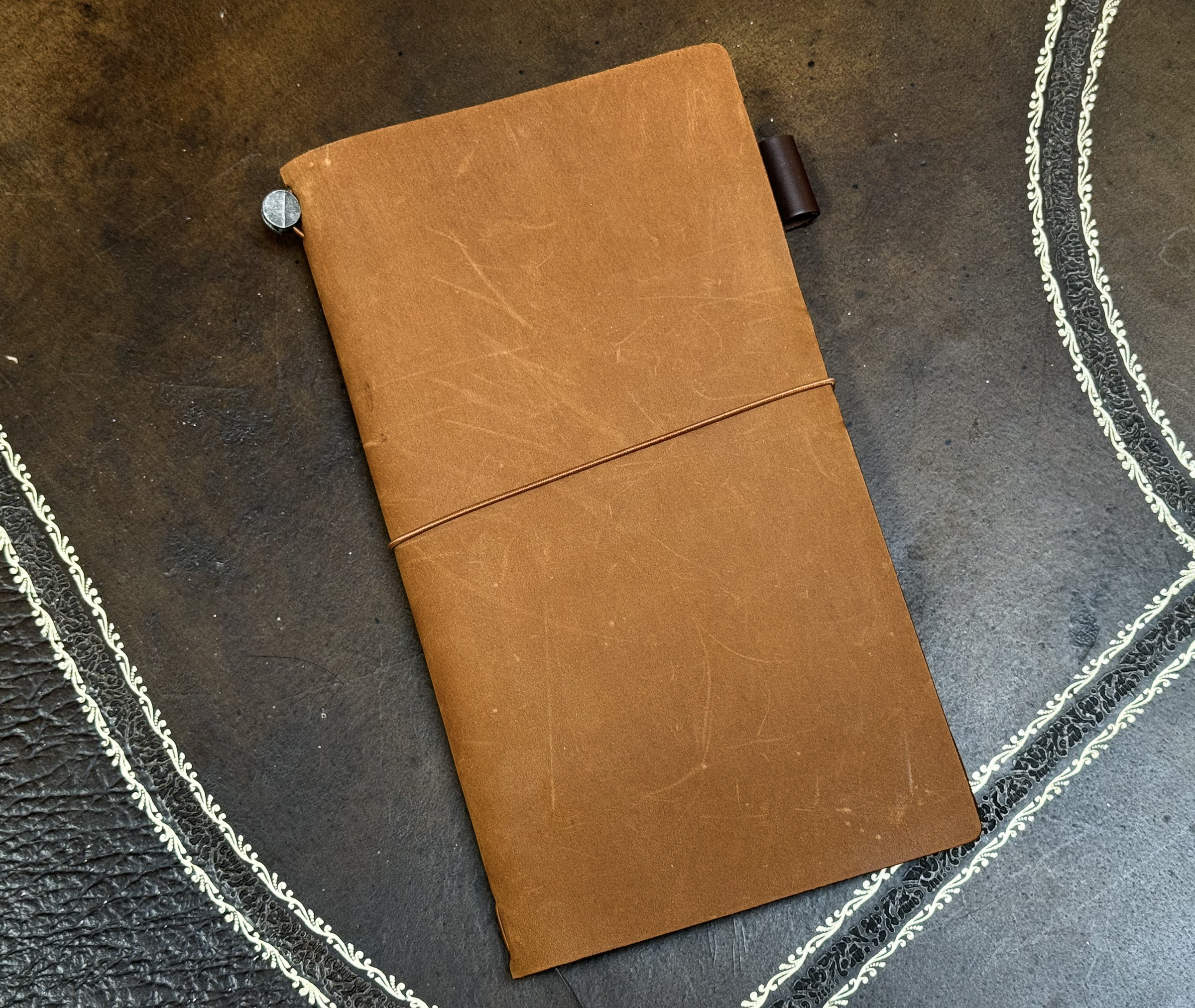
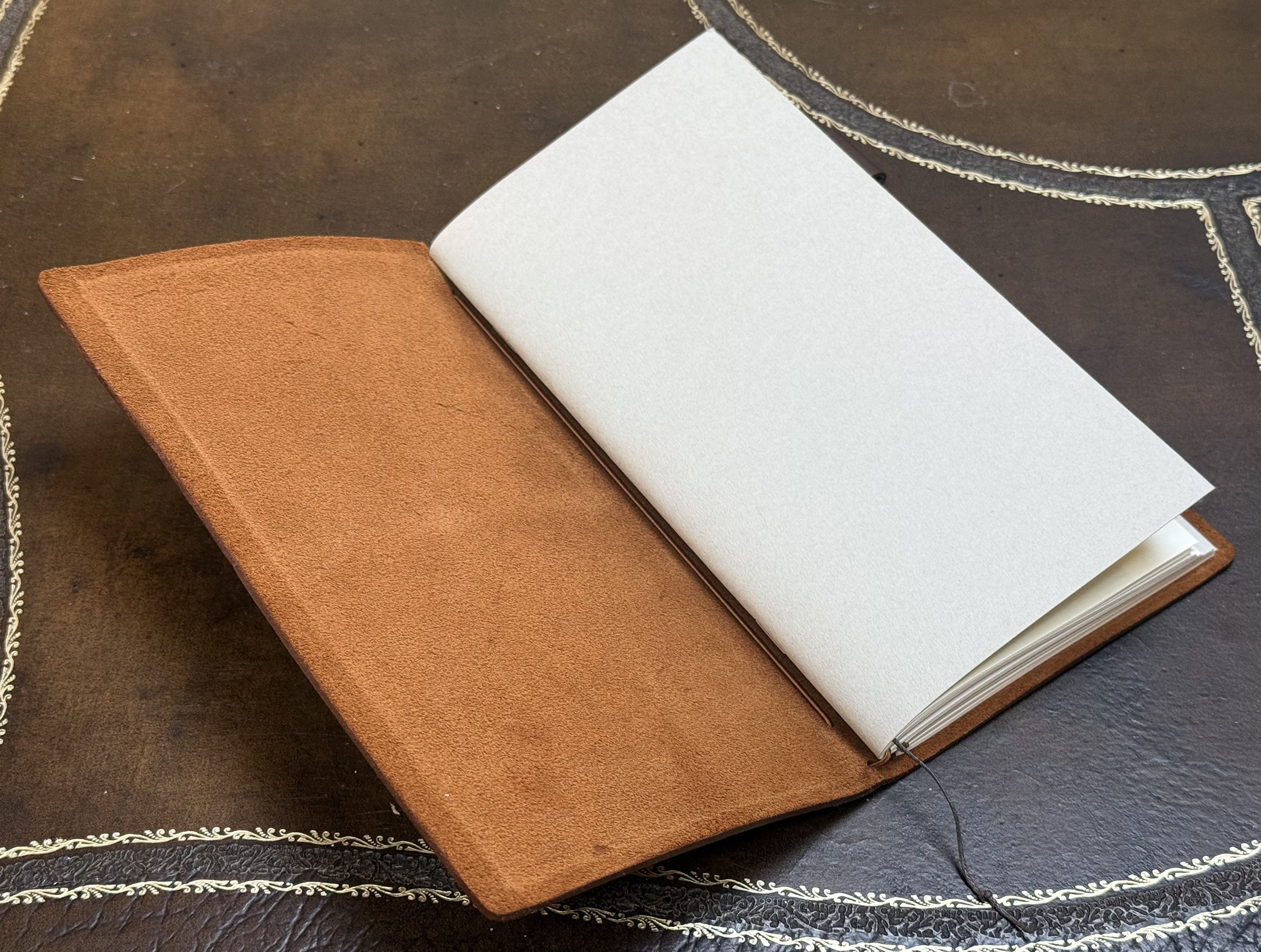
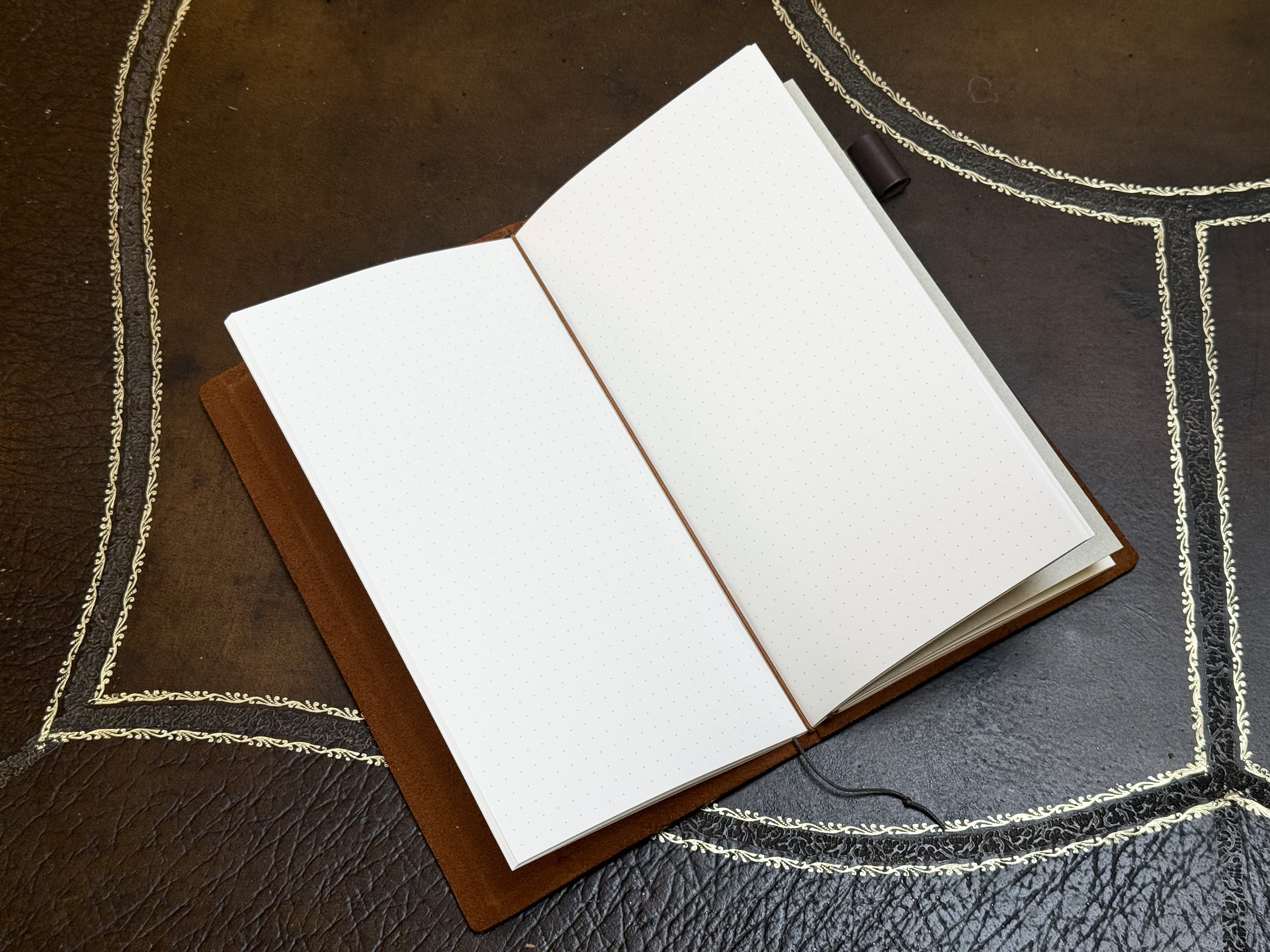
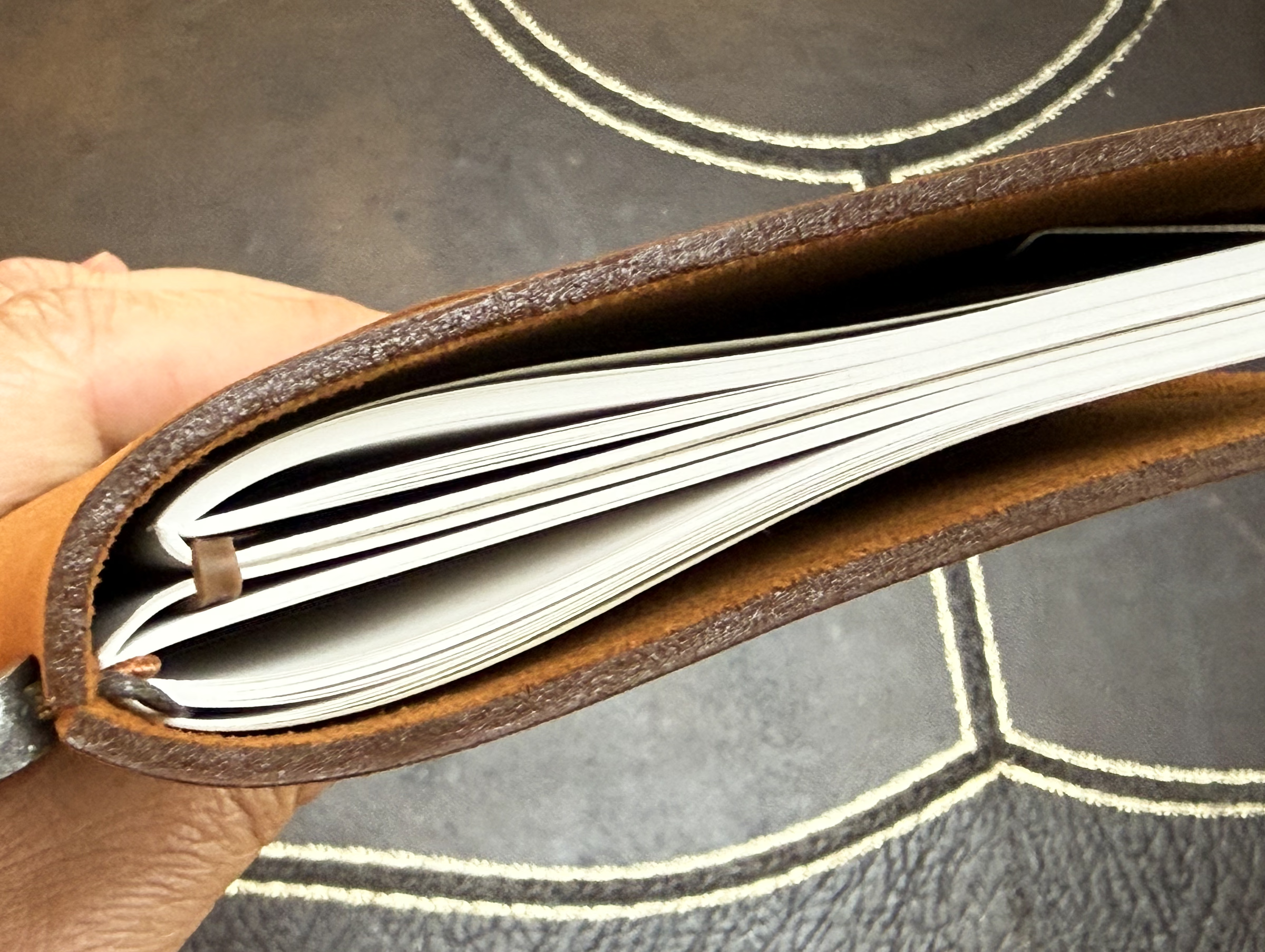
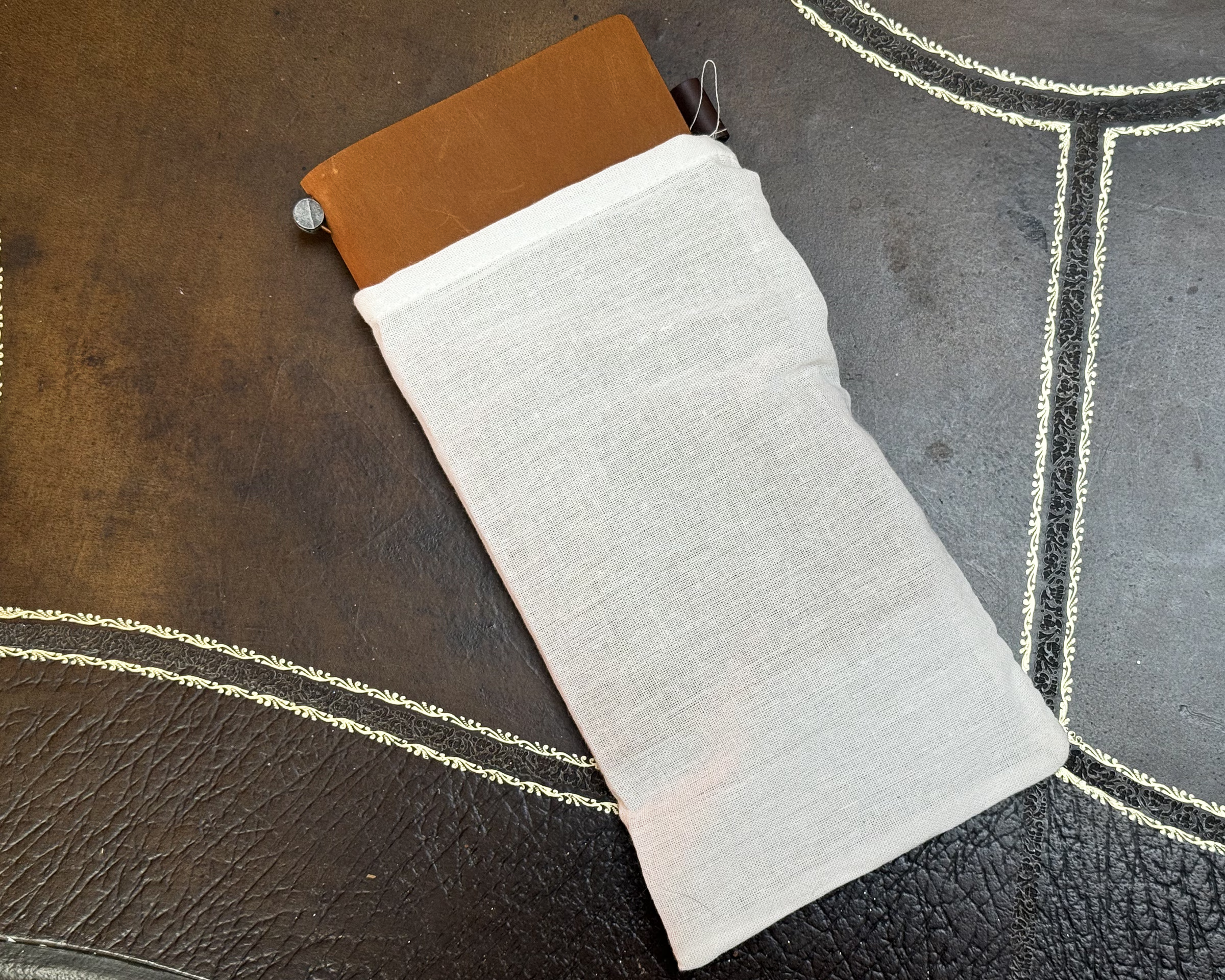
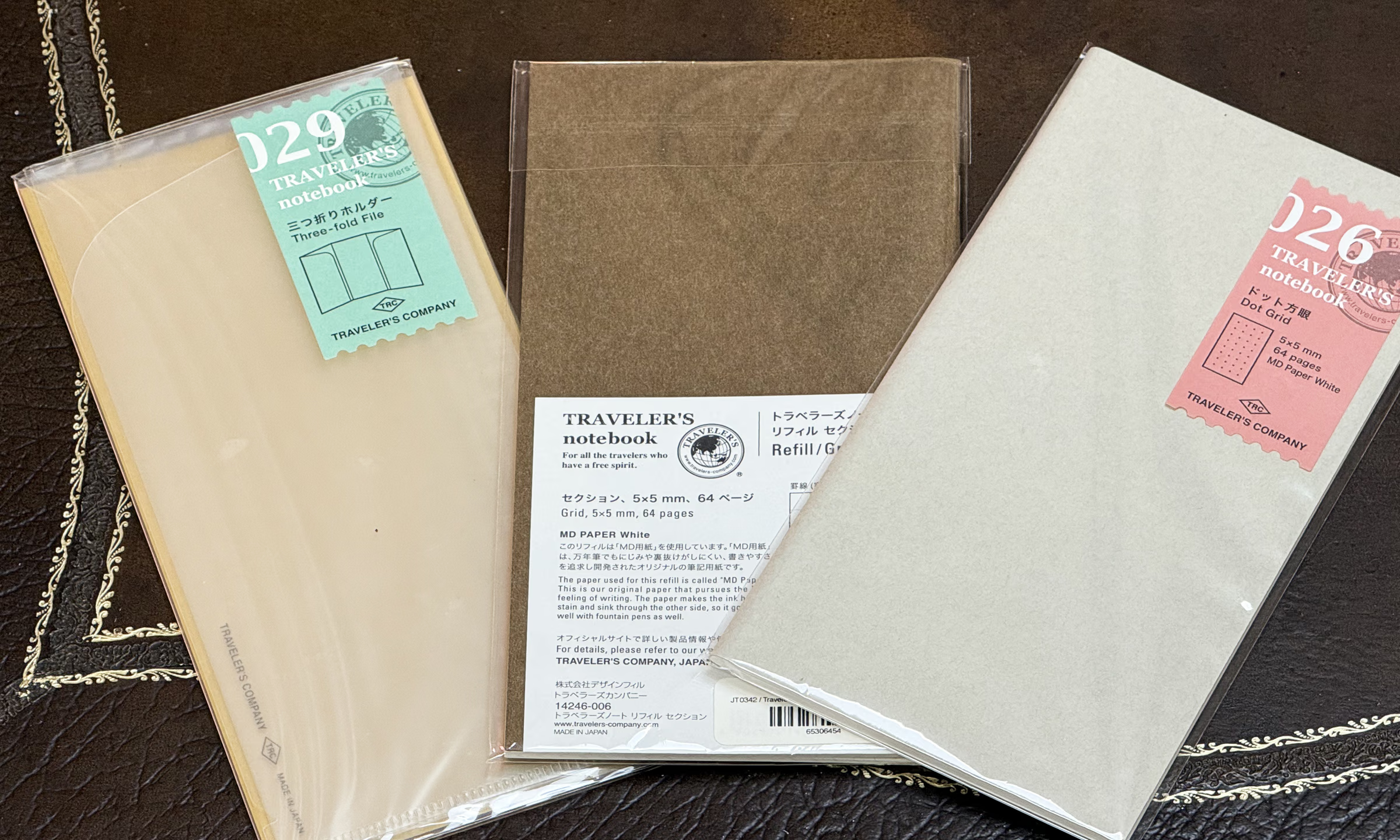
A year and a half ago at Christmas, knowing that I had been keeping various journals chronicling my (inner) life ever since my kids left for college, and then again after they left the house post-Covid for grad school, my youngest daughter gave me a leather-bound journal, with removable inserts. I didn’t know what to make of it at the time. It was as tall as my Leuchtturm1917 journals but about as thin as my Feld Notes. It came with plain paper, but my daughter had also purchased inserts with the dot grid pattern, by far my preference. Was this journal me? Was it not me?
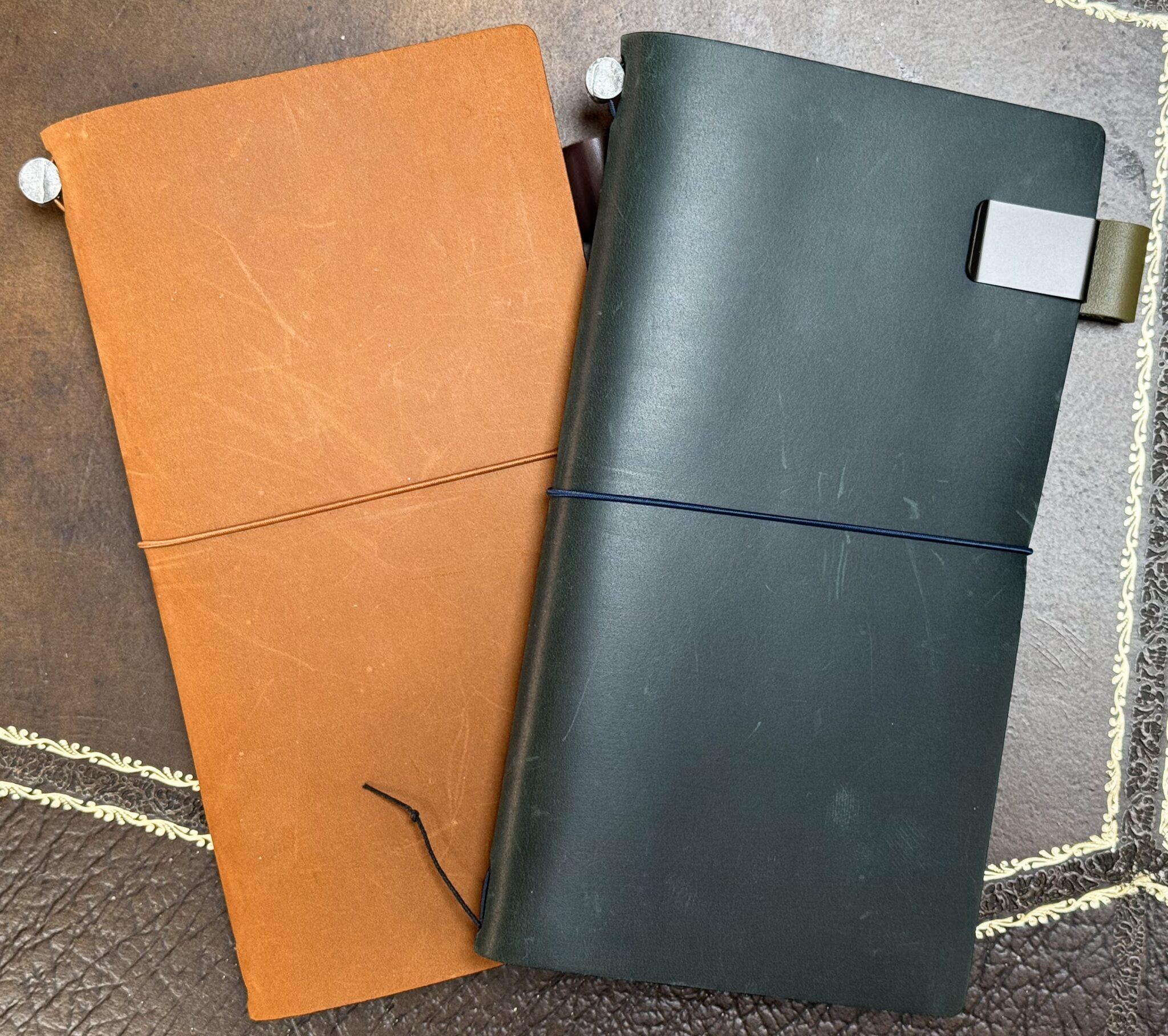
The journal was a Traveler’s Company notebook, and it sat on my office shelf until last month when I lifted a large book and discovered it again. I was thinking of starting a journal again, and perhaps it was a mood thing or perhaps something more fundamental had changed, but when I saw the leather cover it immediately struck me that this was just the thing I needed. It was me.
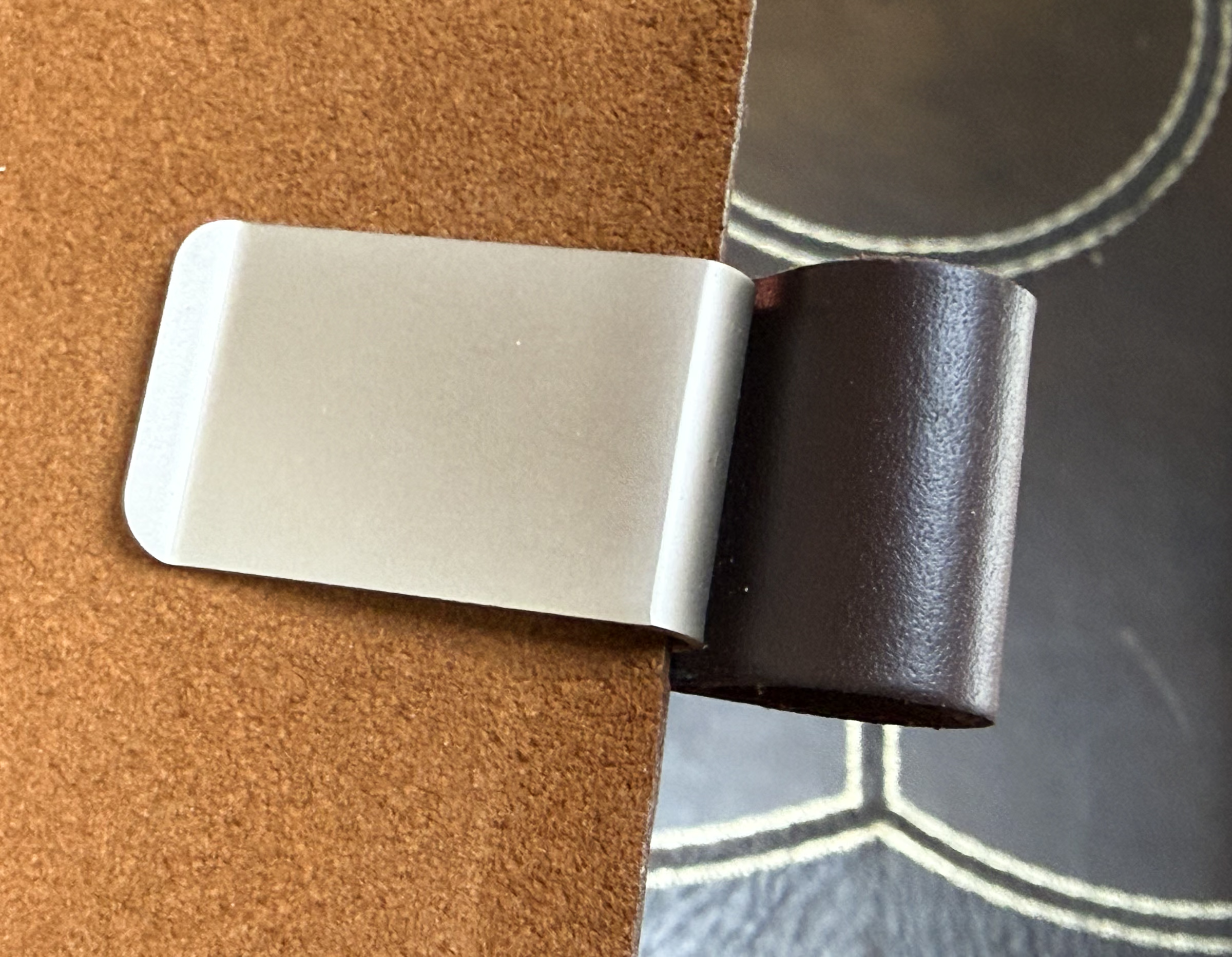
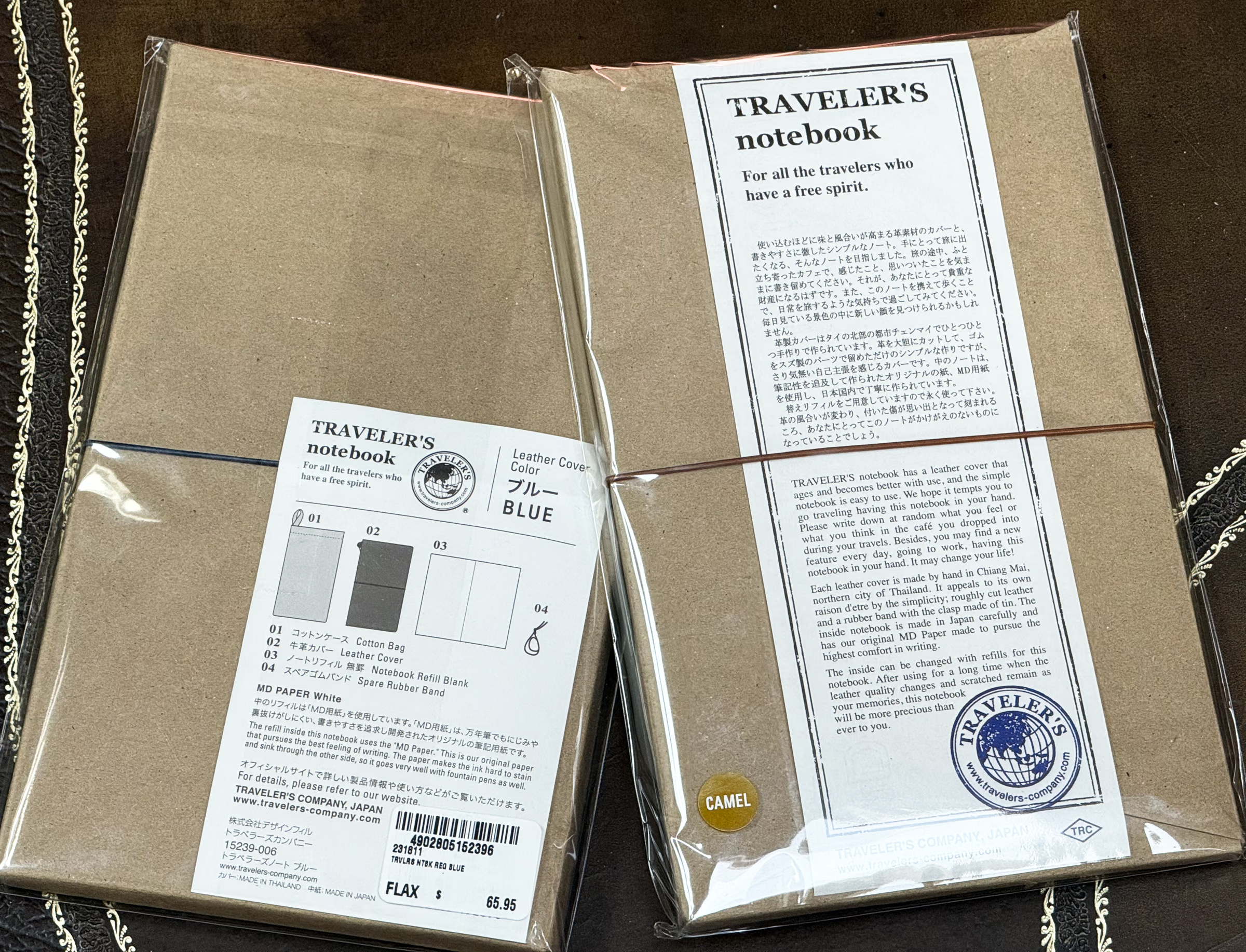
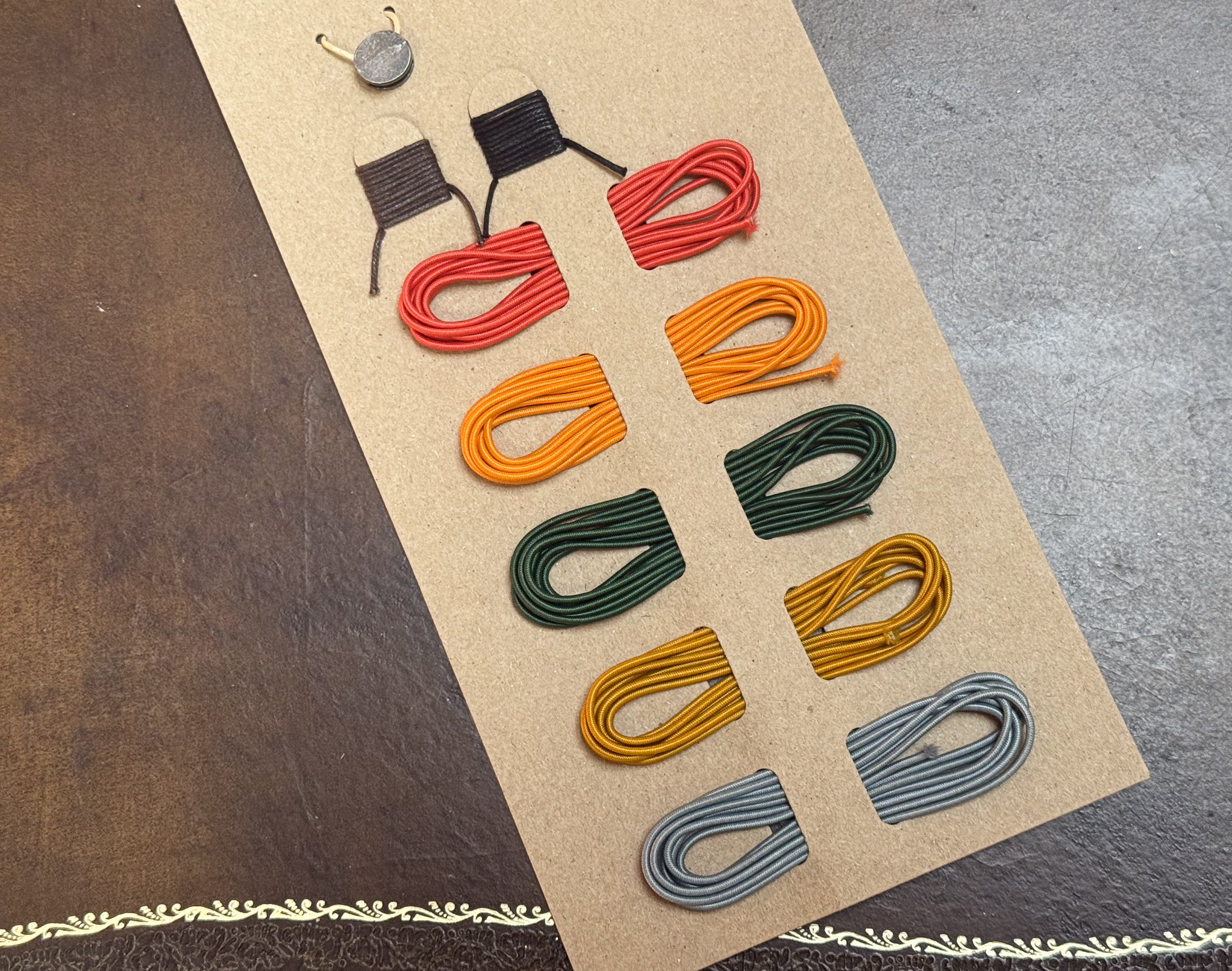
Later, I discovered that in the world of journaling—it appears that journaling has developed into a sort of writing+crafting subculture, just Google it—the Traveler’s Company notebook is a star. The leather binding is made in Thailand and the paper is made in Japan (where there is a serious paper subculture). You can customize it, not only changing the inserts but by adding multiple inserts, everything from different papers to planner pages, business card holders, and fold-out sleeves. There’s quite an ecosystem, which I think explains part of this notebook’s attraction.
My daughter, I had forgotten, had also given one to my wife that Christmas, mine in the camel color, hers in the blue (though it looks black at first).
I’ve been using this journal for about two weeks now and am enjoying it—it’s fun to write in it, and using it feels a little special. The best place to buy the Traveler’s Company notebook is at www.Jetpens.com, which also has an incredibly wide selection of Japanese pens, pencils, and papers. Some art stores and stationery stores carry them. On Amazon, resellers sell them, sometimes at higher than retail prices.
Those little Canon Selphy and Fuji Instax photos, the ones with the adhesive back, fit perfectly into the journal’s pages and look great.
As I suggested before, you’d think that what journal you write in doesn’t matter, but it does. Our life now is filled with amazing things on our screens, and writing in a well-designed and manufactured journal increases the pleasure of writing, increases the pleasure of thinking, all without spell-check, red underlines, AI, and all the other distractions that make our lives so thin sometimes.