

(This is a long post. It is worth it.)
Nuclear weapons never went away, as any day’s headlines will attest. Why is the United States attacking Iran? Nuclear weapons. Why hasn’t the United States more directly supported Ukraine? Nuclear weapons. Why hasn’t Russia attacked the countries supplying Ukraine with weapons? Nuclear Weapons. Why is the United States withdrawing forces from Europe and turning toward China? Nuclear Weapons.
With spending on nuclear weapons projected at about $100 billion a year (about four times the entire NASA budget) for the foreseeable future, as we modernize our entire nuclear arsenal, you might think there should be more awareness of nuclear weapons and the history of nuclear weapons in the general public’s mind. You’d think that maybe there should be a museum devoted to nuclear weapons and related topics, somewhere. And there is.
The National Museum of Nuclear Science and History (usually just called the Nuclear Museum) is located in Albuquerque, New Mexico, a state with a rich history regarding nuclear weapons, and probably the best place to learn about the weapons, which shape our daily lives in ways large and small and might eventually destroy us (or at least reduce our civilization to ruins).
The Nuclear Museum has a comprehensive collection of actual weapons (with the explosive parts removed, of course), from the well-known Little Boy and Fat Man (the bombs that were dropped on Japan during World War II) to ICBMs, and most everything in between.
The Museum is open almost every day of the year, every day of the week, and (believe it or not) opens at 8:00 in the morning.
Rather than give you a full tour—that would take pages and pages to accomplish—I want to offer you ten interesting weapons on view at the museum to pique your interest, to encourage you to visit the museum on your own.
Trinity
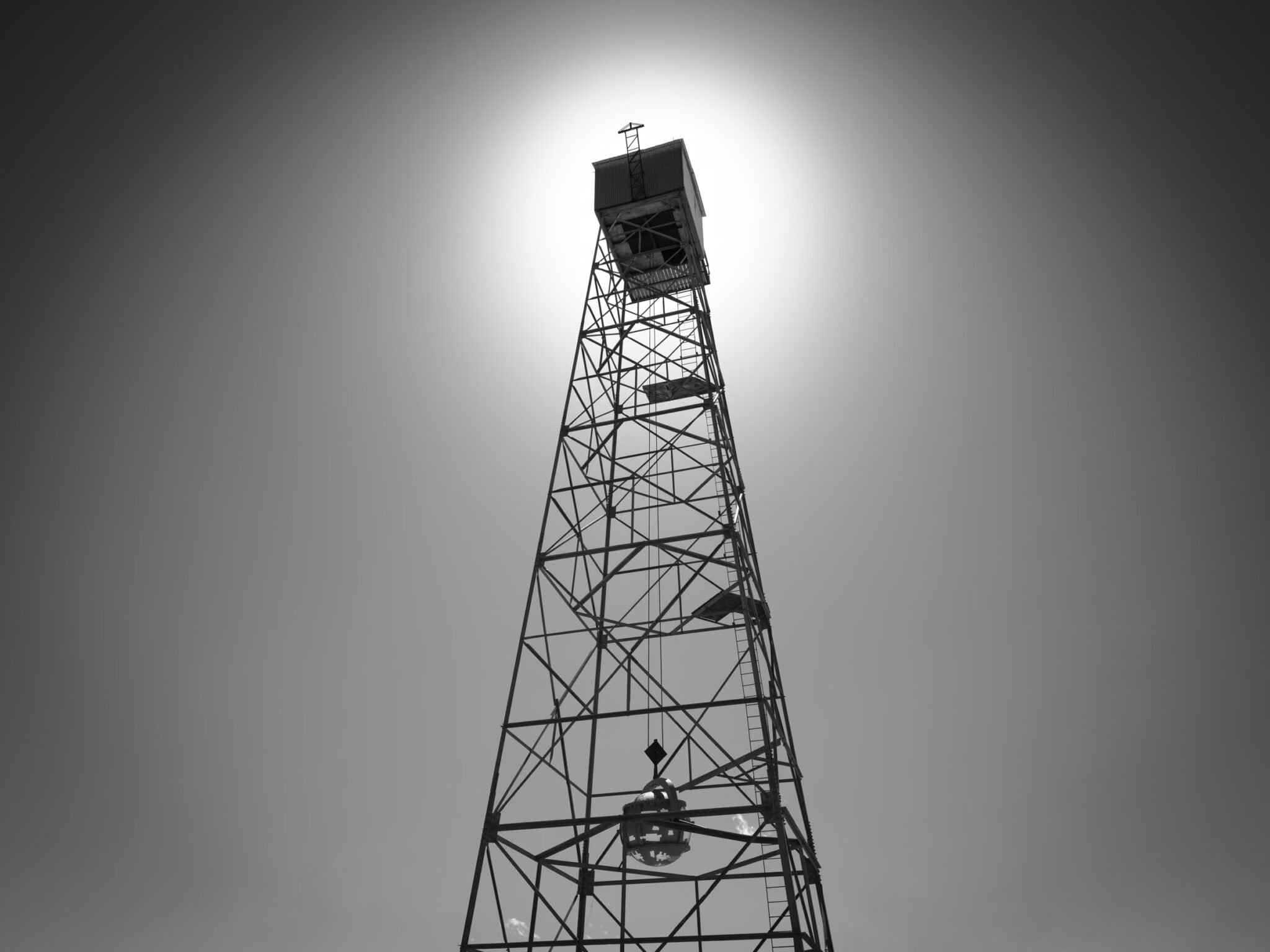
The first manmade nuclear explosion, Trinity was the test of the Fat Man bomb design. The Little Boy design was not tested, partly due, since it was a comparatively simple design, to the confidence of the scientists and engineers at Los Alamos that the design needed no test. The Fat Man design however, was far more complex, involving a shell of high explosives which would need to detonate at exactly the same time in order to compress a small sphere of plutonium at its center. There was some doubt that it would work but on July 16, 1945, out in the Alamogordo Desert in New Mexico, atop a 100-foot tower, it did work.
Little Boy and Fat Man
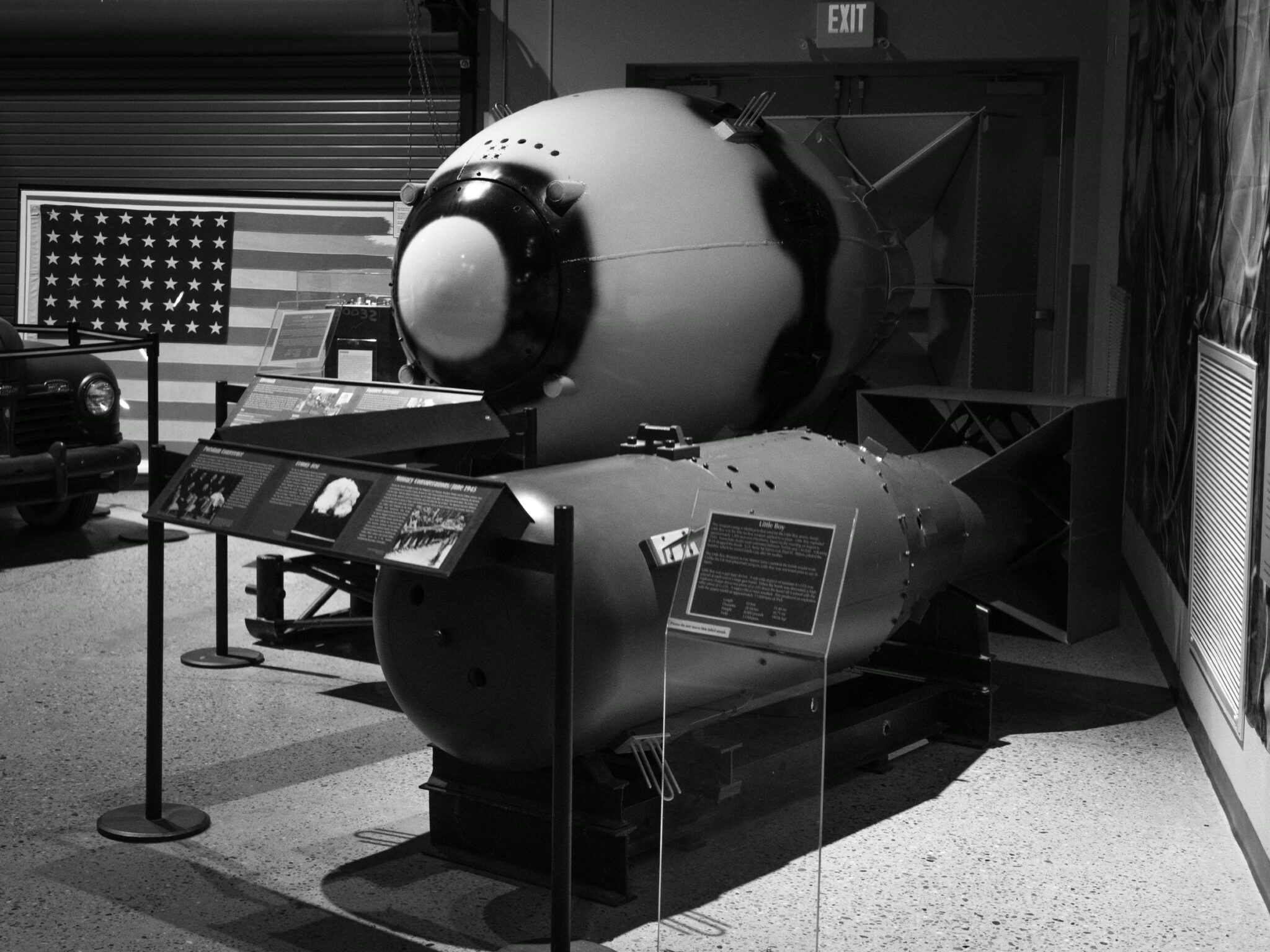
Two bomb designs. Little Boy works by slamming two pieces of uranium together, Fat Man works by compressing a sphere of plutonium. Why not use the Little Boy design for the plutonium? That was, in fact, the original idea. But that idea assumed that the plutonium would be Plutonium 239. The plutonium the scientists at Los Alamos received, however, contained a significant amount of plutonium-240, a more reactive form. If used in the same fashion as the Little Boy design, as the two pieces of plutonium approached one another—even though they were propelled by a gunpowder explosion and moving rapidly—the plutonium would start to react much too soon, essentially blowing itself apart before it had time to properly assemble for a much bigger explosion. This problem required the scientists and engineers to embark on the more difficult task of designing Fat Man. Thus, what you see in the photograph is not the first and second atomic bomb designs but the first and the third designs.
Birdcage
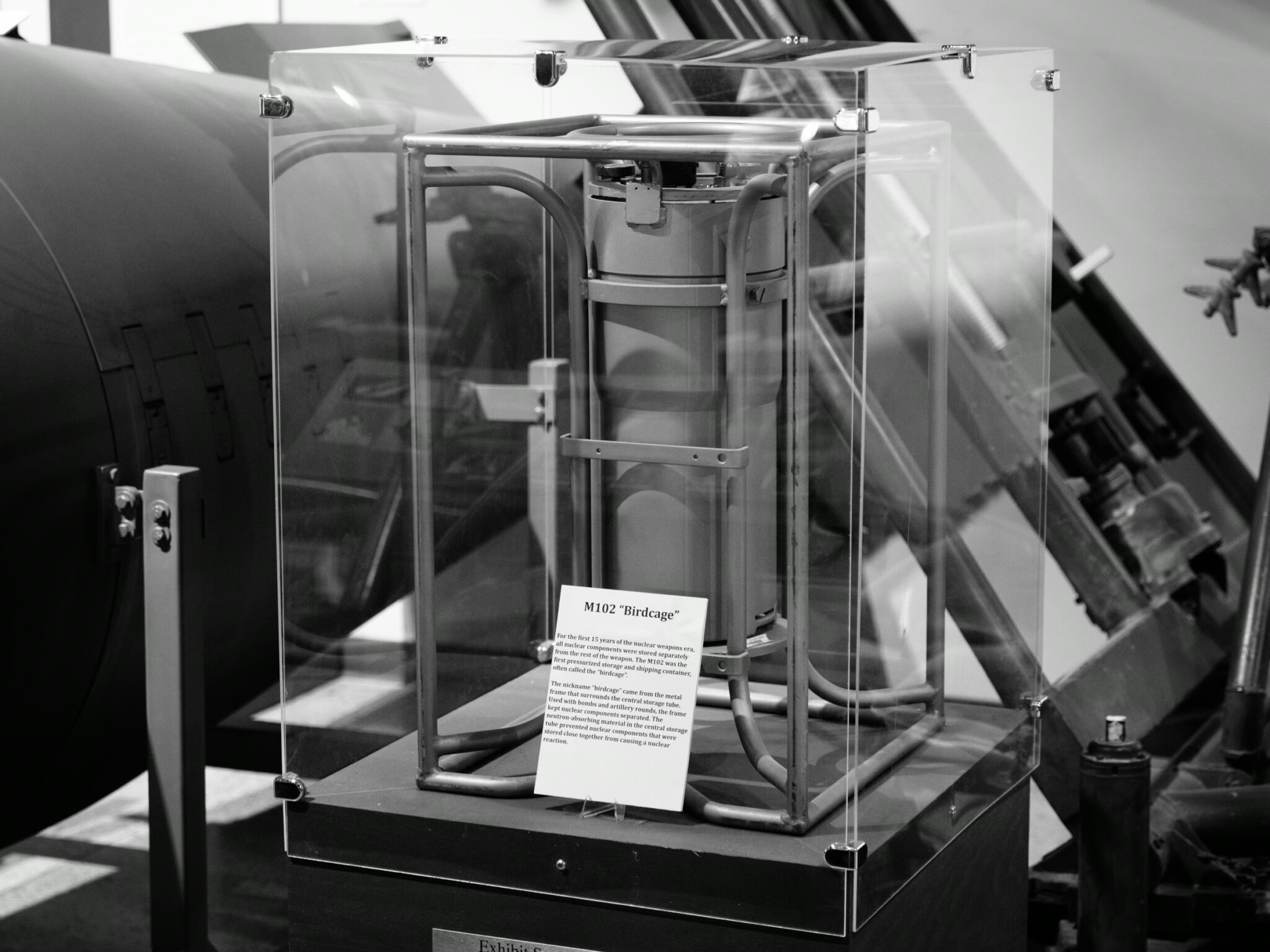
After World War II, the military favored plutonium bomb designs because they produced more explosive yield from much less nuclear material, and plutonium was easier to manufacture in quantity than highly enriched uranium. But the complexity of the design meant that the bomb had to be fully assembled prior to take off—even with safety mechanisms, this presented an extraordinary danger to not only the plane and its crew but to the air base itself (most likely from an explosion of the conventional explosives scattering the plutonium rather than an outright nuclear explosion). One solution: keep the nuclear material outside the bomb, in a device called a birdcage. The plutonium would be removed from the birdcage and placed inside the bomb while the plane was in the air. At first, this was done by hand, later the process was automated.
MIRV
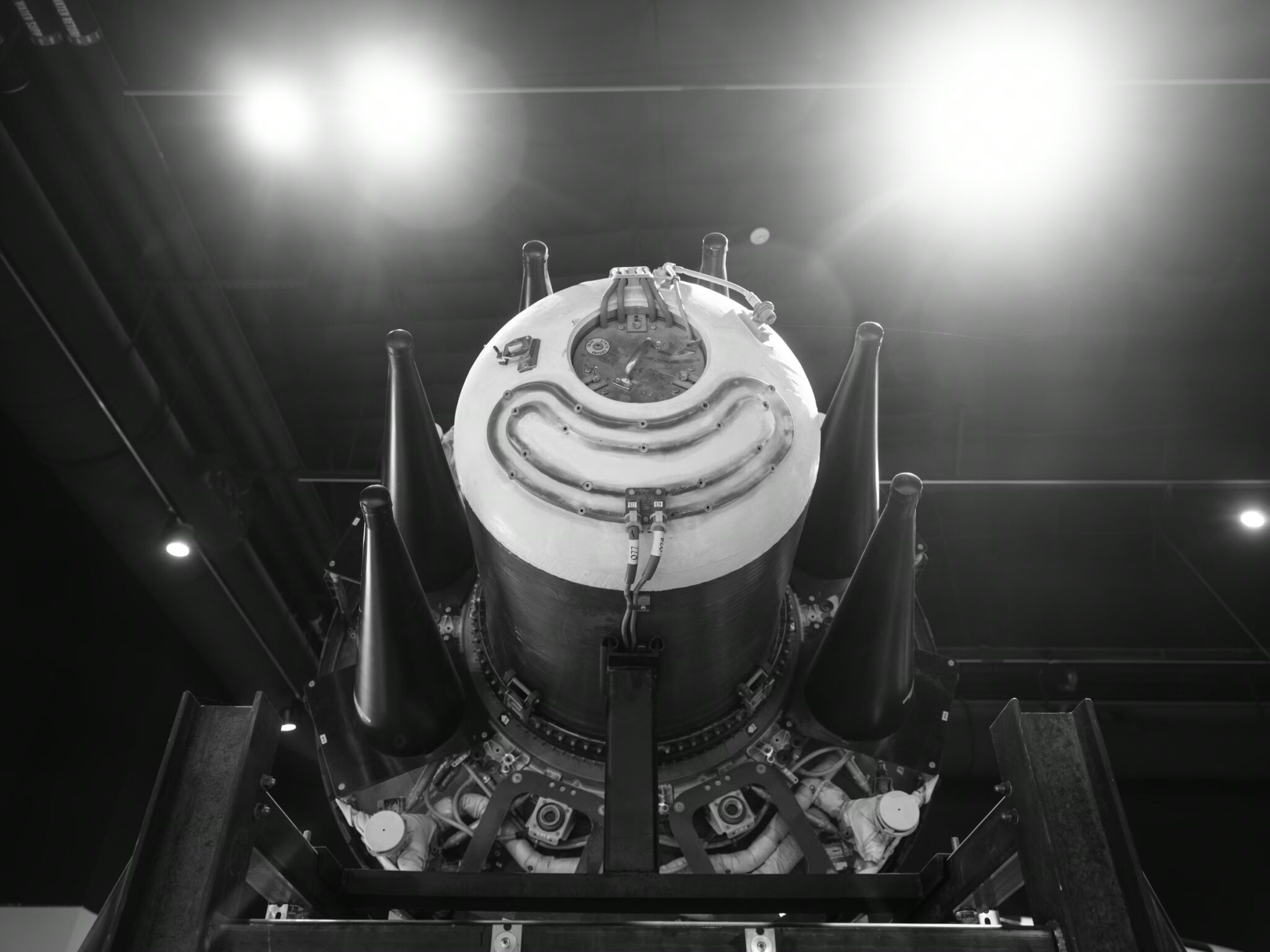
Early nuclear missiles had a single warhead, exactly as usually depicted in movies and, I think, in people’s imaginations. Modern missiles, since 1970, have been designed with multiple warheads, each of which can be aimed at a different target. Here you can see a Trident I submarine-launched nuclear missile with its nose covering removed to expose the warheads. Six are installed out of a possible eight. A great deal of effort has been made to refine the shape of these warheads (more properly called re-entry vehicles—the warhead is inside) so that they survive the return trip through the atmosphere and are still able to hit the target with great accuracy.
Matador
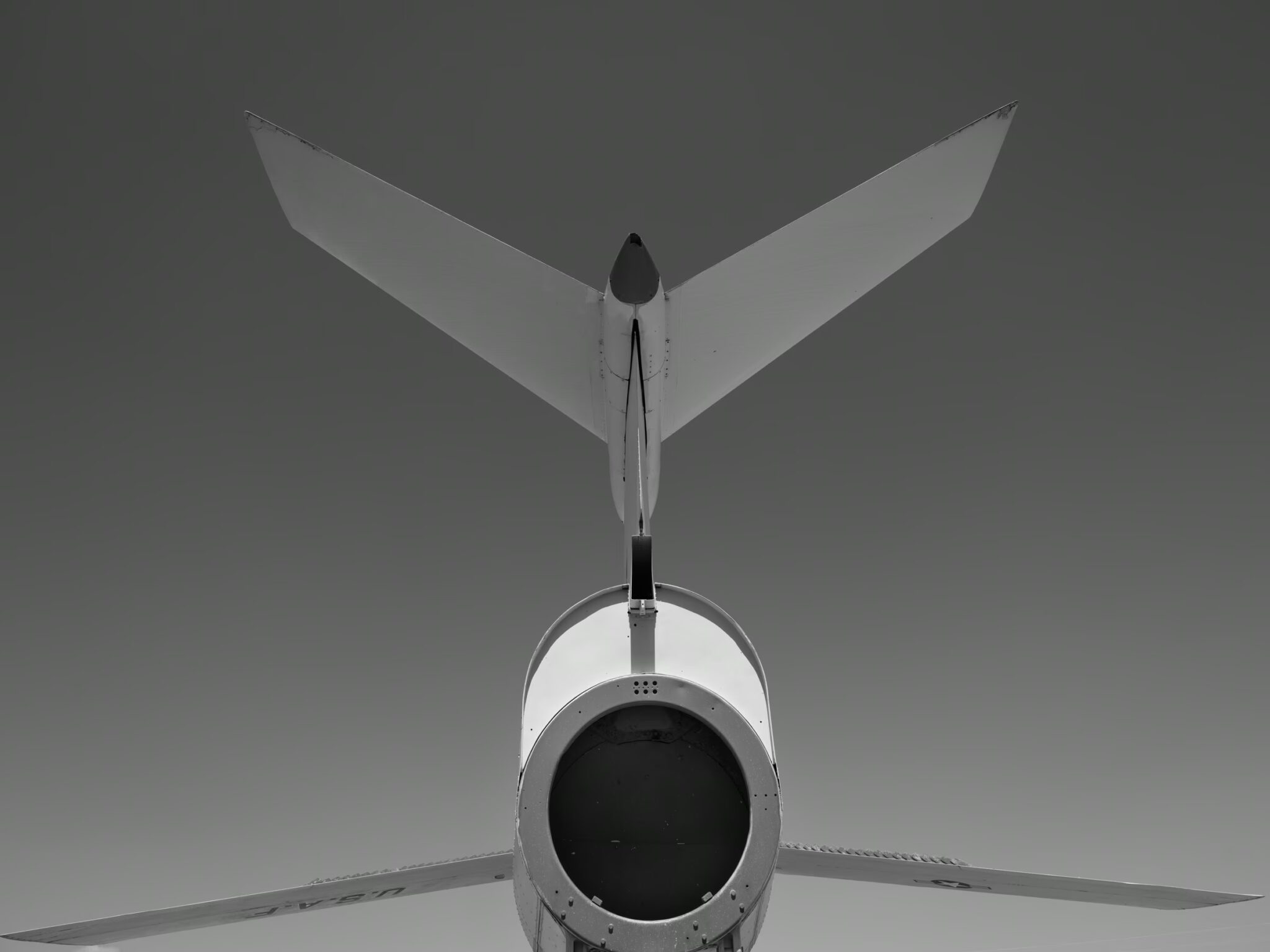
Large drones, such as the ones used in the current military conflicts in Ukraine and Iran, might seem to be a new technological development, but they are not. Unguided flying bombs, launched by the Germans, appeared over London’s skies during World War II, and after the war, that technology was brought to the United States and developed into a family flying bombs. One of these was the Matador, which used radio signals to keep it on the path to its target. You can find them today not only displayed in museums, such as the one here, but outside of American Legion halls, alongside the road to the Grand Canyon (about halfway from Williams, on the left), and proudly guarding at least one church.
Honest John
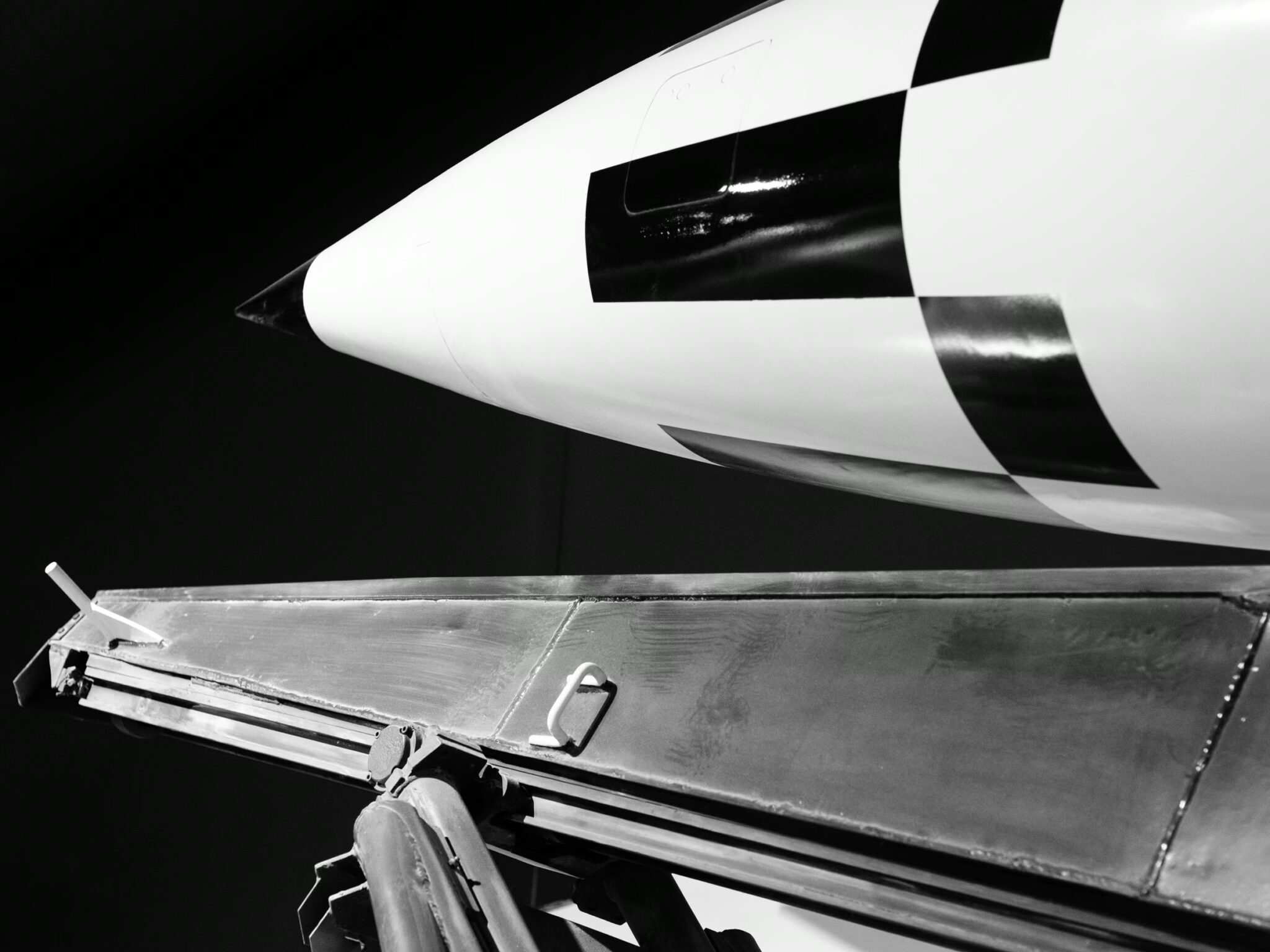
The wonderfully named Honest John was a mobile nuclear rocket. It was carried, disassembled, on two trucks and, along with a small crane and a weather truck, was intended to run around just behind the front lines of a Soviet attack, blowing up tank formations, massed troops, and so forth.
Western war planners emerged from World War II mightily impressed—and more than a little frightened—by the vast Soviet army that had battered its way to Berlin. The plan for defending Western Europe gradually evolved, or devolved, into a grim basic idea: keep enough NATO troops in Europe to slow a Soviet advance, then use nuclear weapons against the invading armies and the military infrastructure supporting them.
Over the decades since, NATO has developed a greater ability to resupply conventional forces in Europe, thus delaying the need to use nuclear weapons, but the first use of nuclear weapons is still at the heart of the plan. When you talk about the need for European countries to increase their military spending and about the desire of the current US administration to draw down its military forces in Europe, you are talking about having enough forces in Europe to slow a Russian invasion and to delay (and perhaps find a way to avoid) the use of nuclear weapons.
B28 bomb
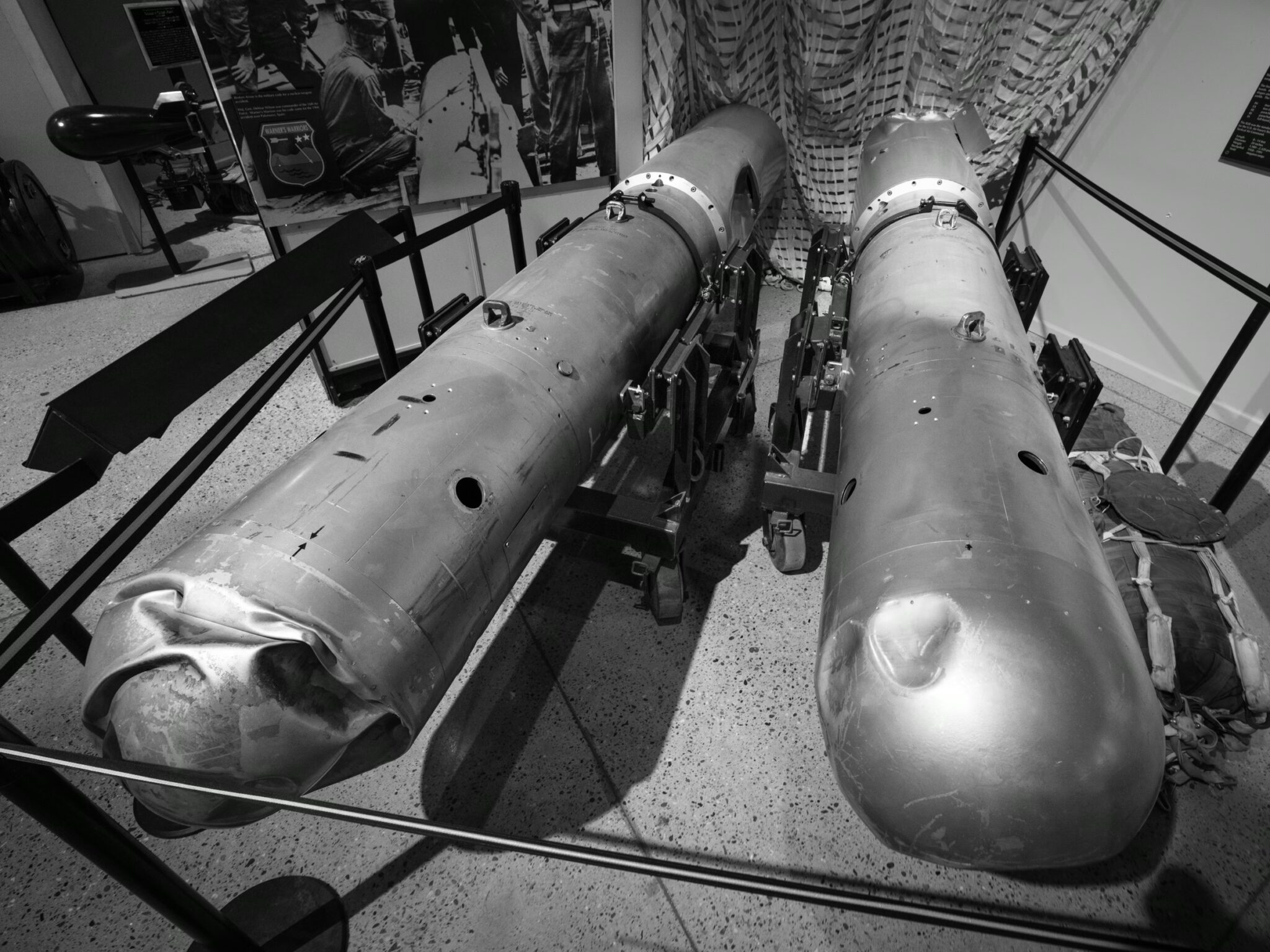
In the film Dr. Strangelove, the Air Force kept nuclear-armed planes in the air at all times, ready to cross their fail-safe positions and attack the Soviet Union the minute they received the go-code from their base. The pilot of that plane, Major Kong, was fictional but the strategy was real. Operation Chrome Dome kept nuclear bombers in the air over the Atlantic Ocean, flying out, circling along the edge of Europe, and then flying home to the US, twenty-four hours a day.
In 1966, off the coast of Spain, a bomber crashed into its refueling plane. They fell out of the sky, as did four B28 nuclear bombs that the bomber had been carrying. Three of the bombs landed on the coast, in two of them the conventional explosives detonated, scattering plutonium. The fourth bomb fell into the sea and was recovered only after a massive search effort. The two B28s in the photo are the actual bombs that were recovered from this accident.
Minuteman ICBM
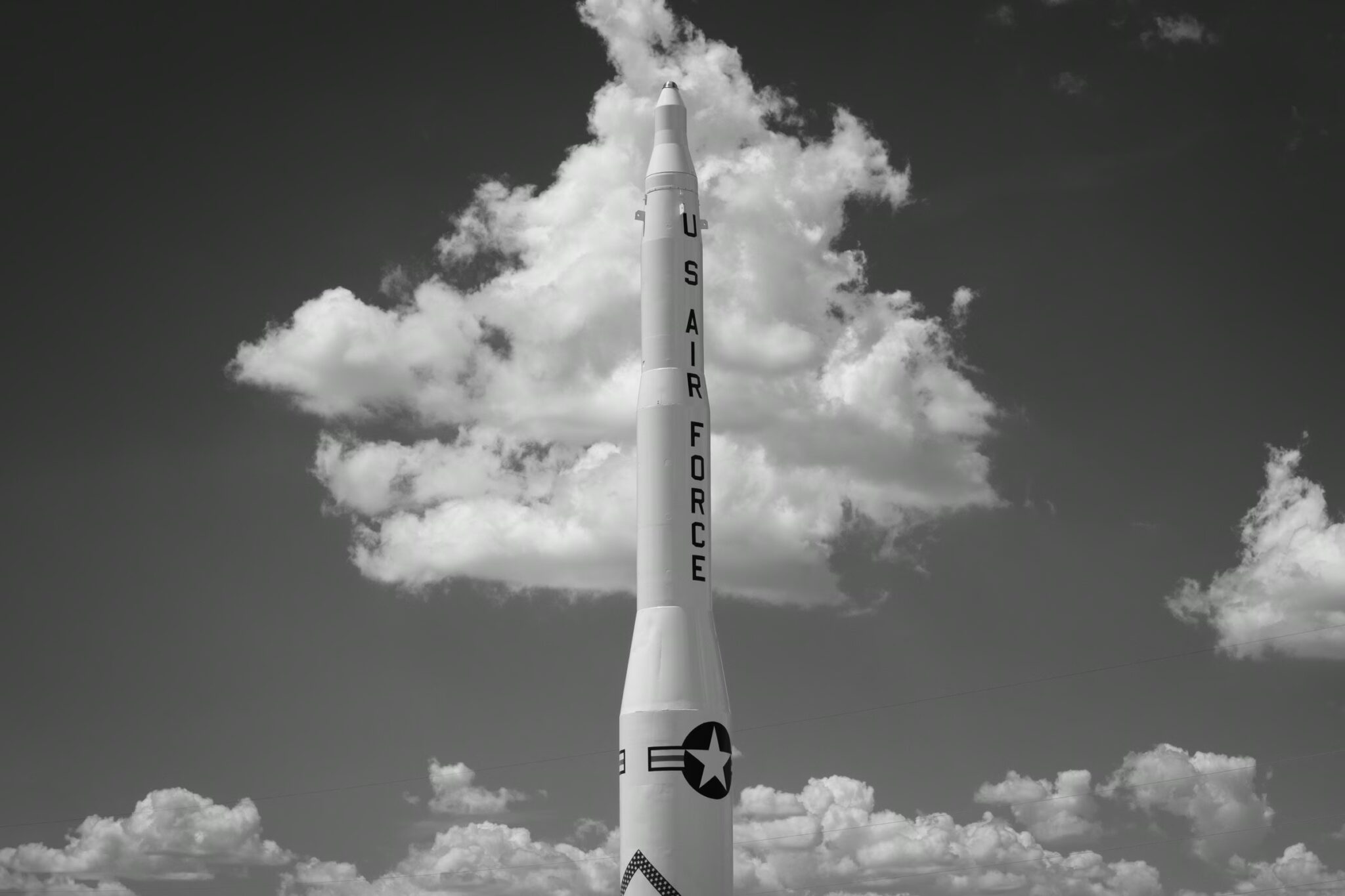
There’s a paradox about ICBMs. Their exact position is, of course, known to any enemy, and the missile silos would surely be hit first in any attack in an effort to prevent them from launching. Given that the time between the detection of an enemy attack and the disabling explosions at the missile bases is tiny, only a matter of minutes, that puts tremendous pressure on commanders to launch their weapons lest they be destroyed in their silos. Just a few minutes to determine the nature of the attack, just a few minutes for the President, informed of the attack and any hour of the day or night, to decide to launch or not, only a few minutes to diagnose whether the launch detection information is even real and not a software bug or hack.
Bombers, which can take off with their nuclear bombs, don’t suffer the same pressures. Nuclear-armed submarines, which can hide and wait for as long as they like to respond to an attack, don’t suffer the same pressures. But ICBMs are launched or lost in the first minutes of any nuclear war. The very weapons meant to deter nuclear war may accelerate it.
Mark 17 bomb
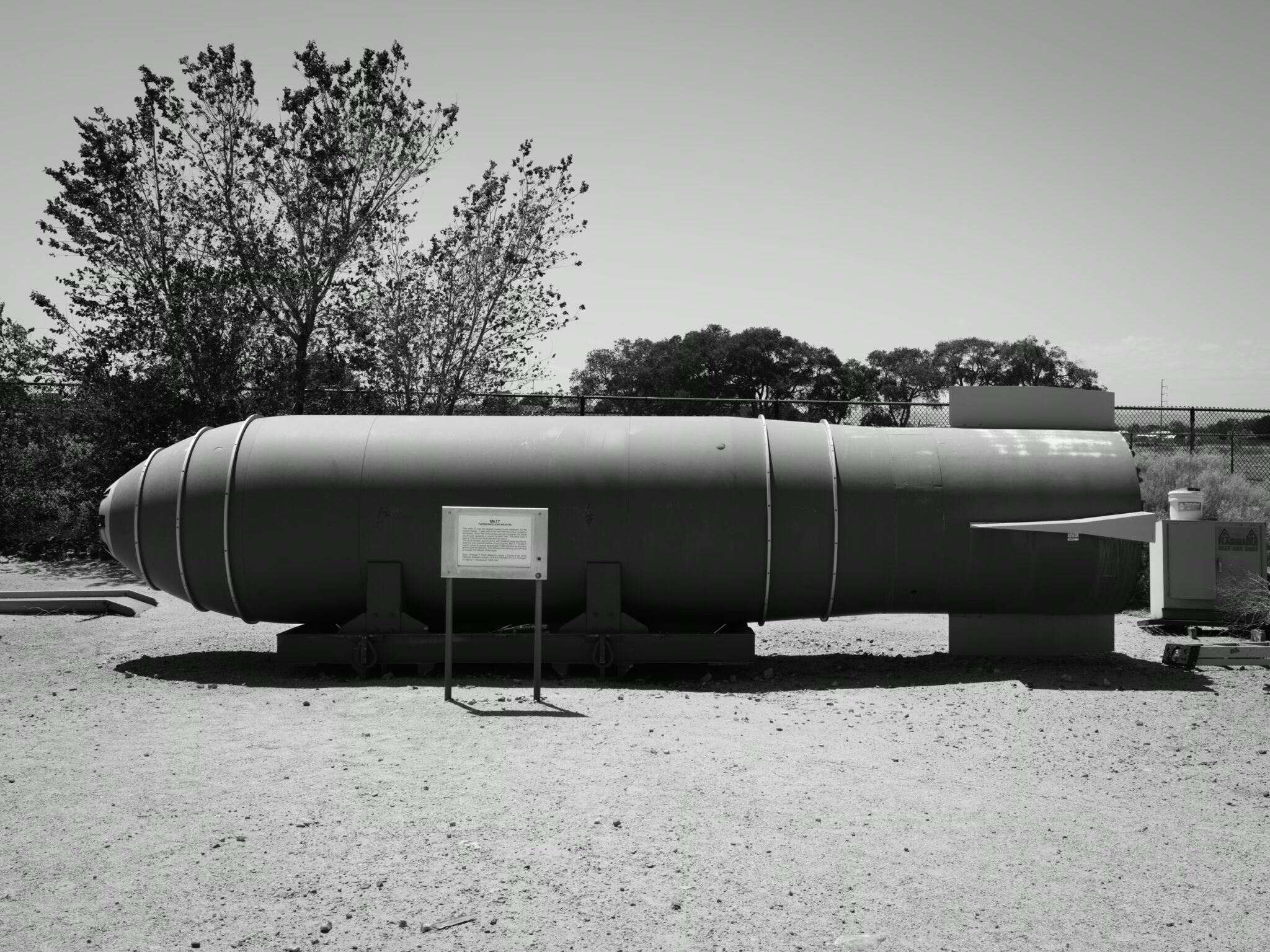
A “gun-type” atomic bomb, like Little Boy, works by placing two pieces of uranium, separated in an artillery cannon barrel, and detonating explosives behind one to send it slamming into the other. An implosion atomic bomb, like Fat Man, works by detonating a thick ring of high-explosives with a sphere of plutonium at its center, compressing it.
Both of these are fission bombs, which get their power from splitting atoms into other atoms, the leftover energy creating the explosion. You can fuse atoms together, too, atoms like hydrogen, which also will create a nuclear explosion, only one much, much more powerful. Fusion bombs, generally known as thermonuclear bombs, make up, with a few footnotes, essentially all of the modern nuclear weapons.
This huge bomb, the Mark 17, was the first practical thermonuclear bomb. It worked, like all thermonuclear bombs, by first detonating an implosion atomic bomb as a trigger, which creates the conditions that allow fusion to occur. So, conventional high explosives compress the nuclear material, a fission explosion occurs, which allows the thermonuclear explosion to occur. If you wanted, you could add additional thermonuclear stages to the bomb, making it increasingly powerful. There is no theoretical limit to how many stages you could add.
Polaris sub-launched missile
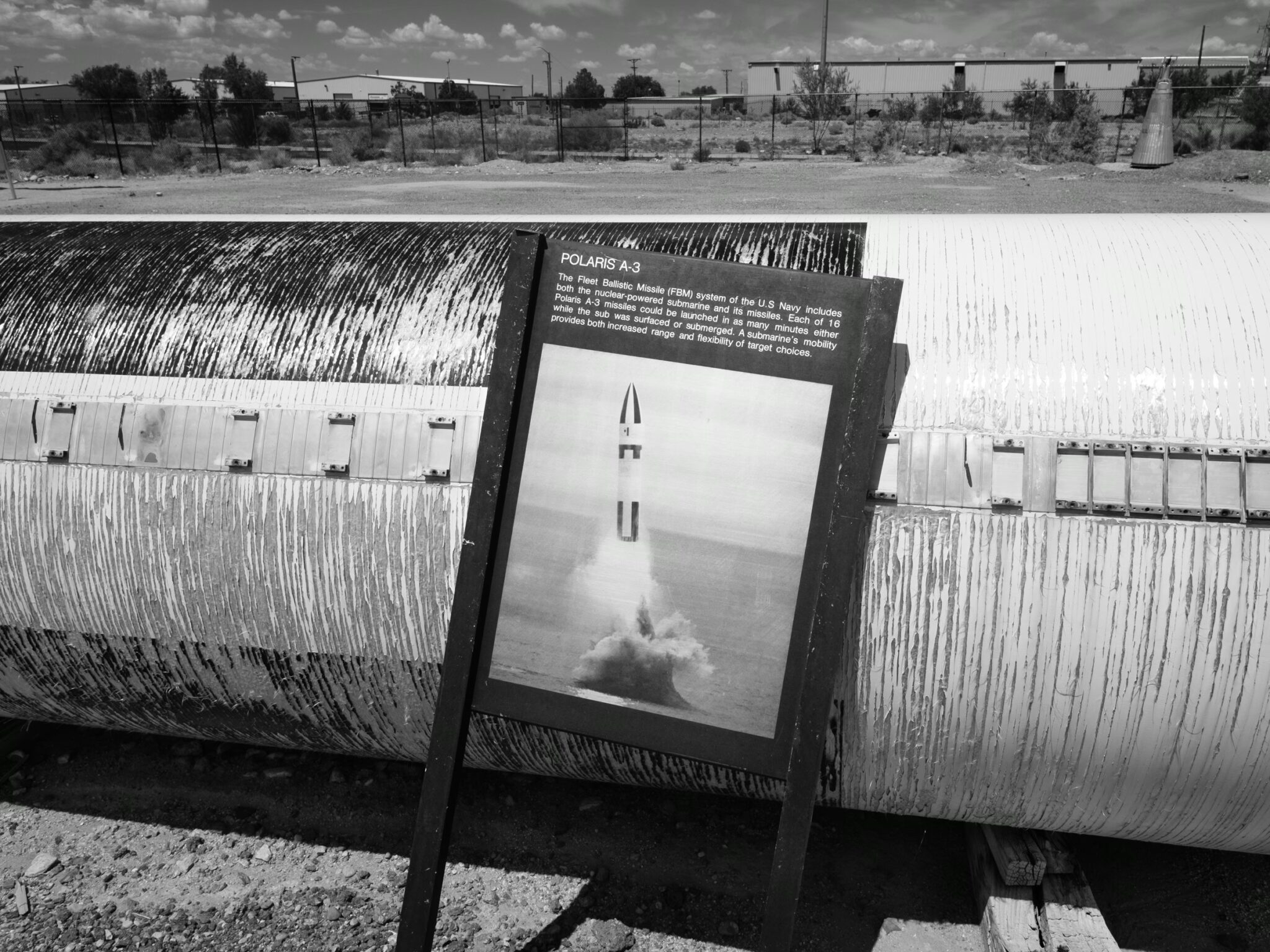
Before Polaris, an enemy knew where the nuclear weapons were: At the air bases and in the missile silos. There were a few exceptions, like a flying nuclear bomb that could be launched from submarines, and the bombers already airborne, but if they could hit the bases and the silos in a surprise attack, it was conceivable that a nuclear war could be won. After Polaris, moving underwater, impossible to locate with any confidence, winning a nuclear war, already the province of wishful thinkers, became possible only to madmen.
All photos by Darin Boville, photographed at the National Museum of Nuclear Science and History.
Want to learn more about nuclear weapons? Start at my site, American Nukes, and especially the Resources section. Want to see decommissioned nuclear weapons in the wild?–you can, and there’s bound to be one near you if you are in the United States.