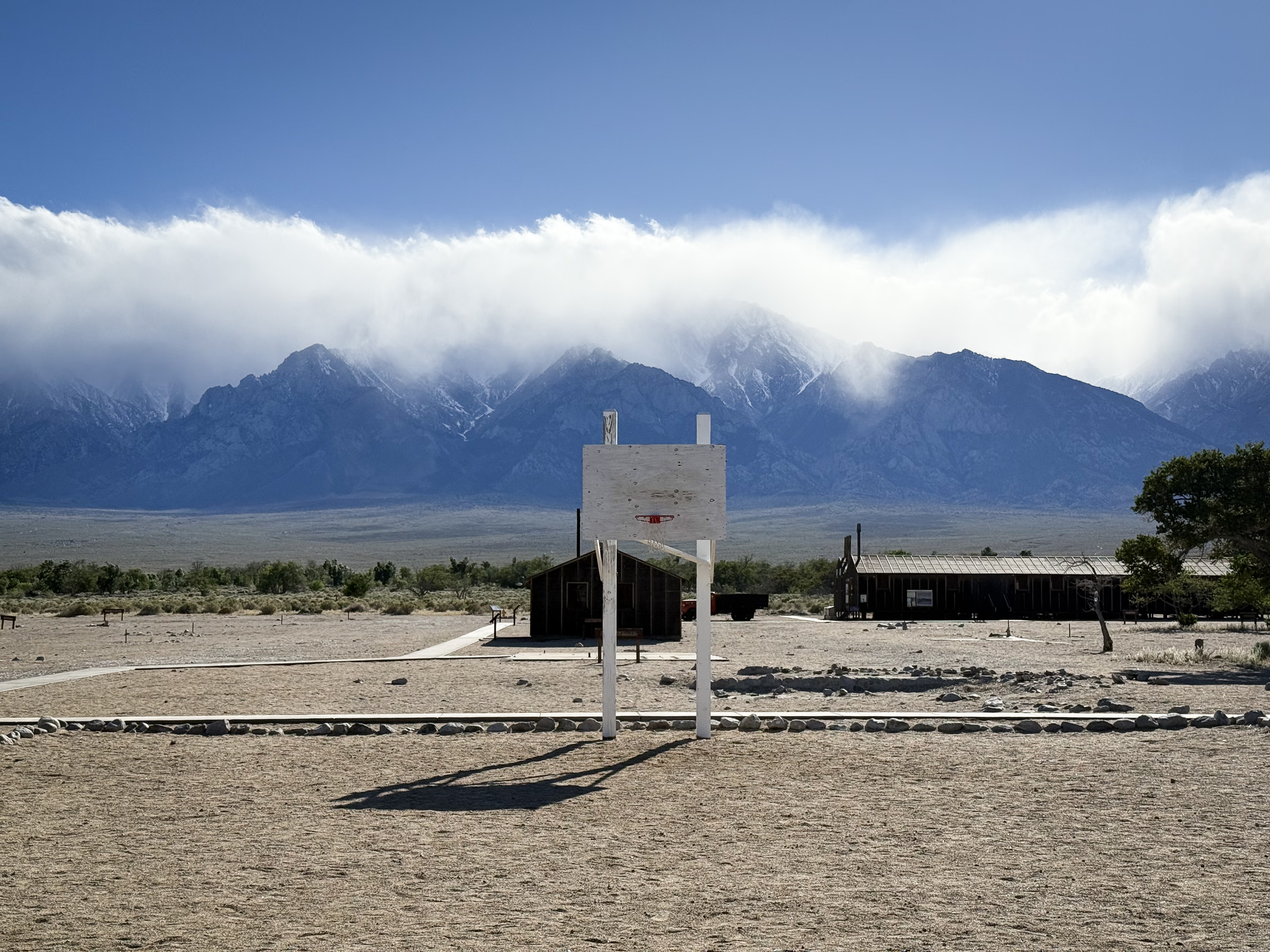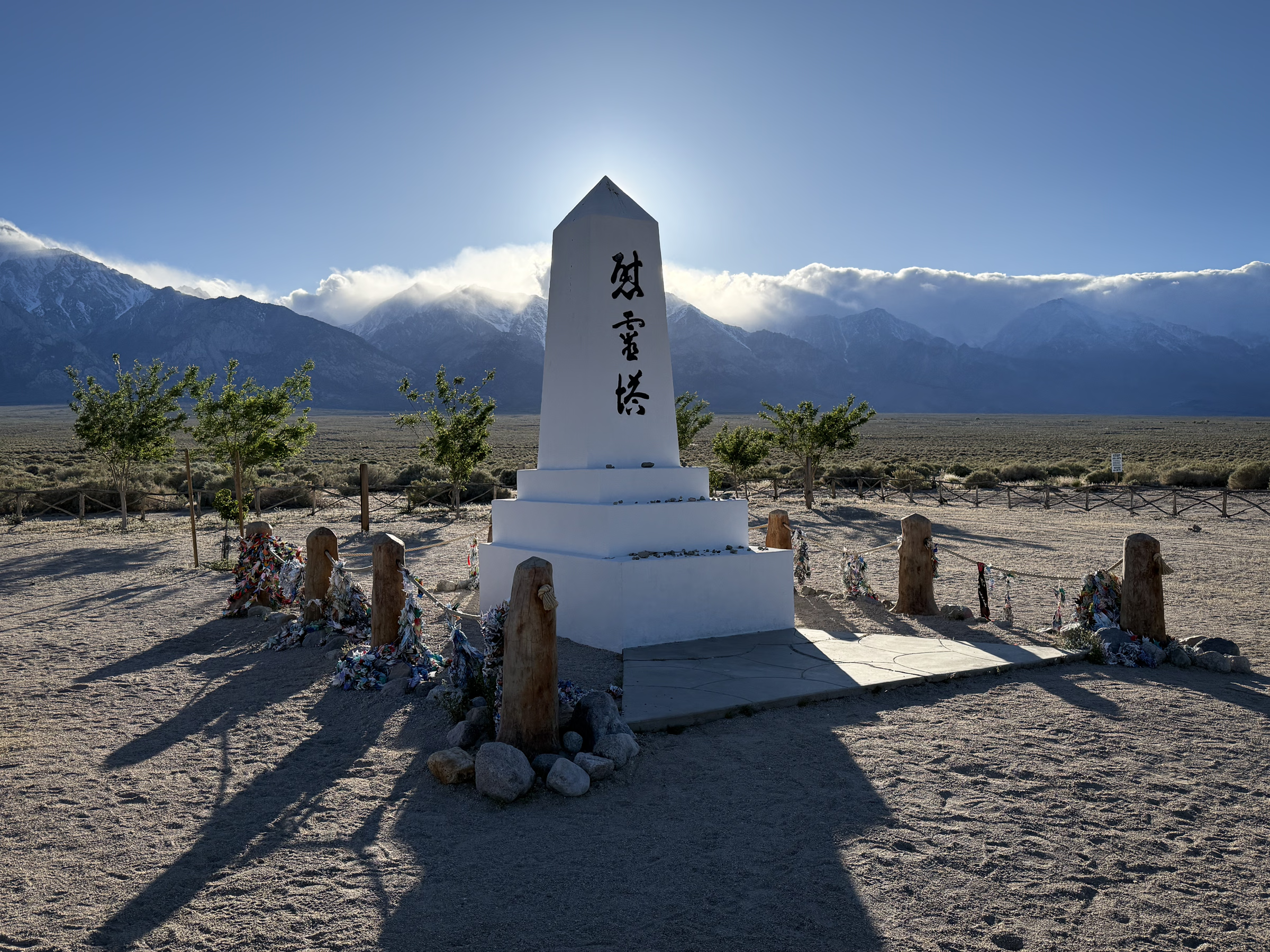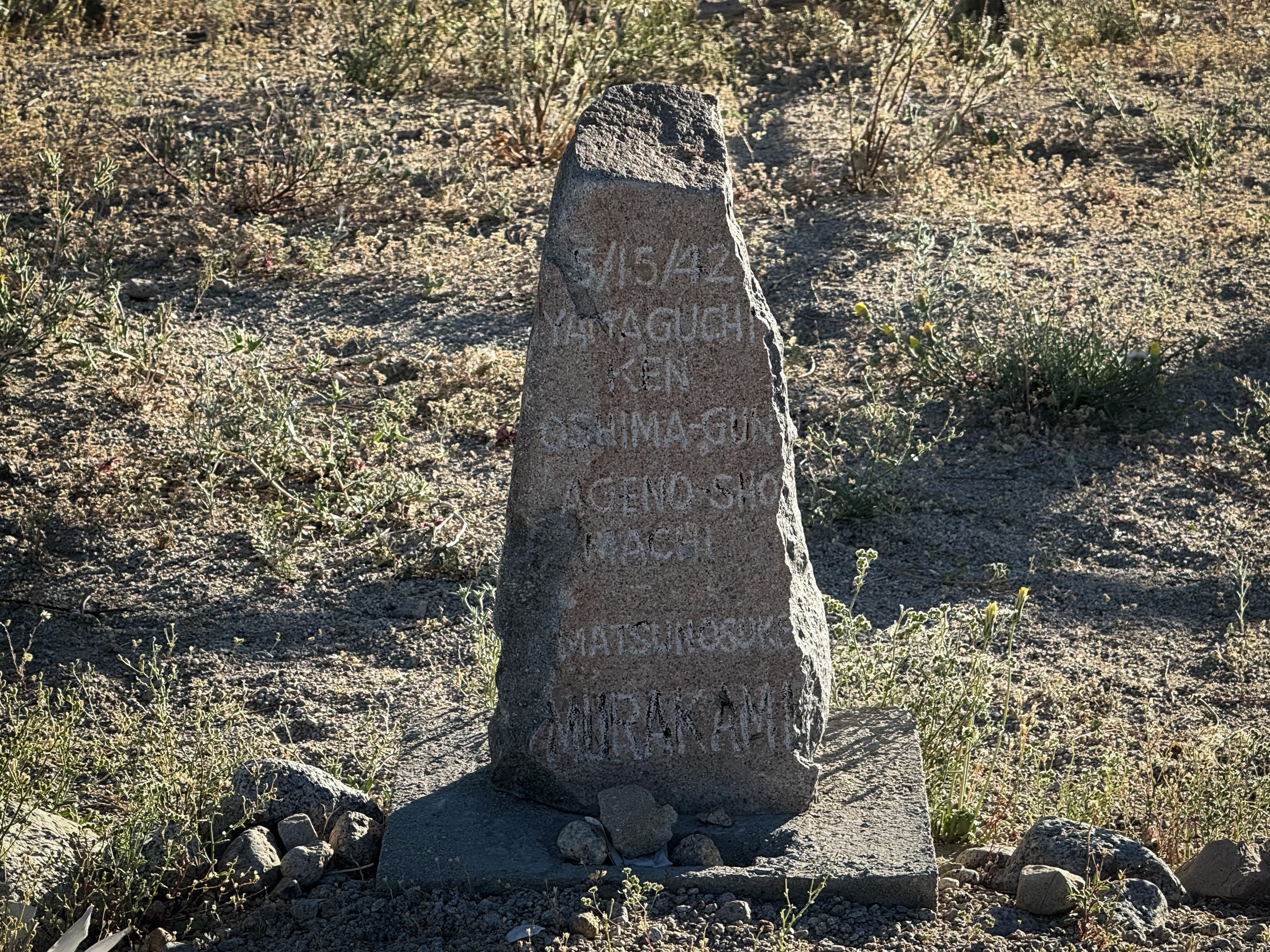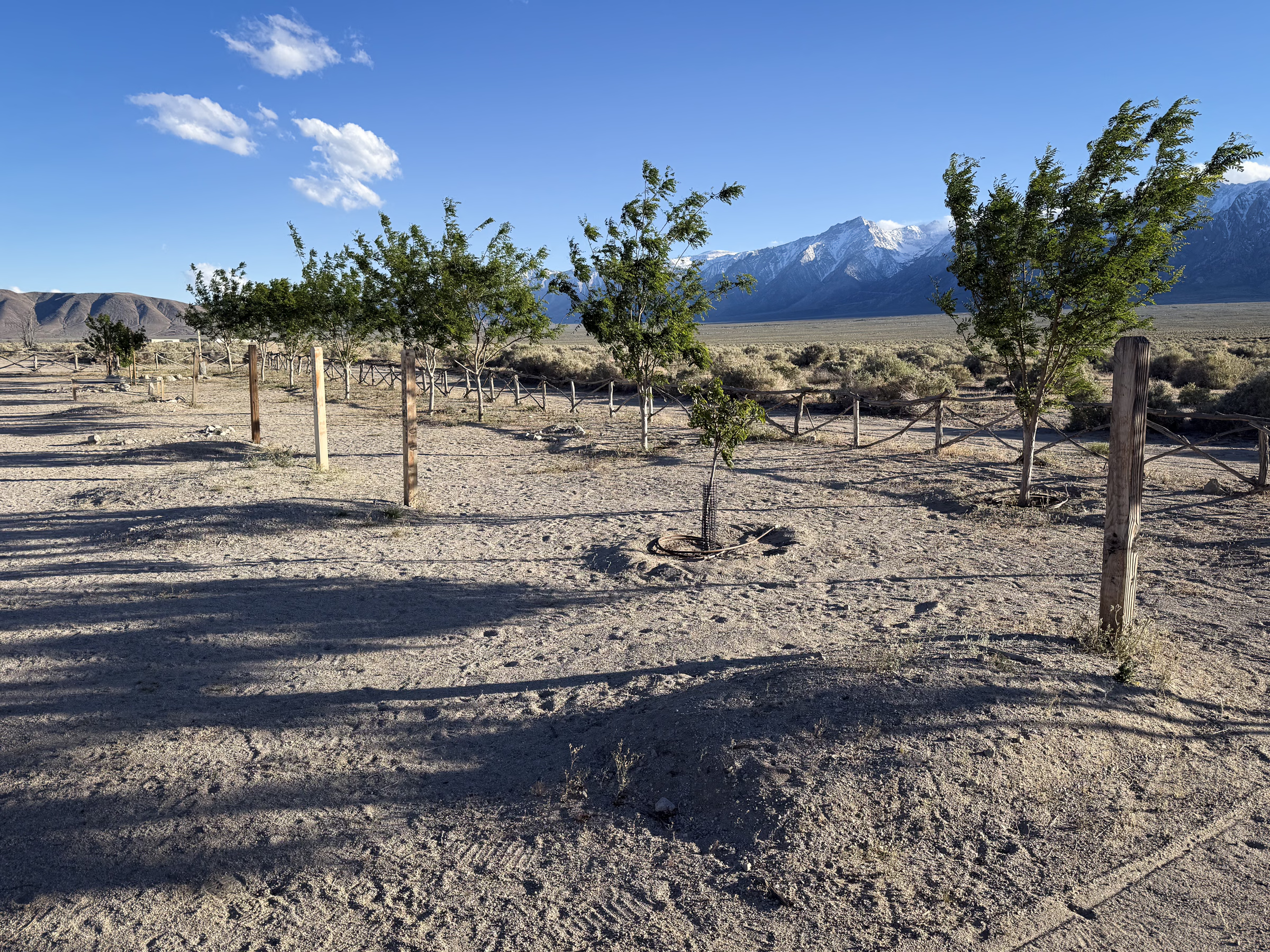

Your constitutional rights are only as good as the ability and willingness of the citizens to stand up for them during those times when those rights are most under threat. A National Historic Site just north of Lone Pine makes this abundantly clear.
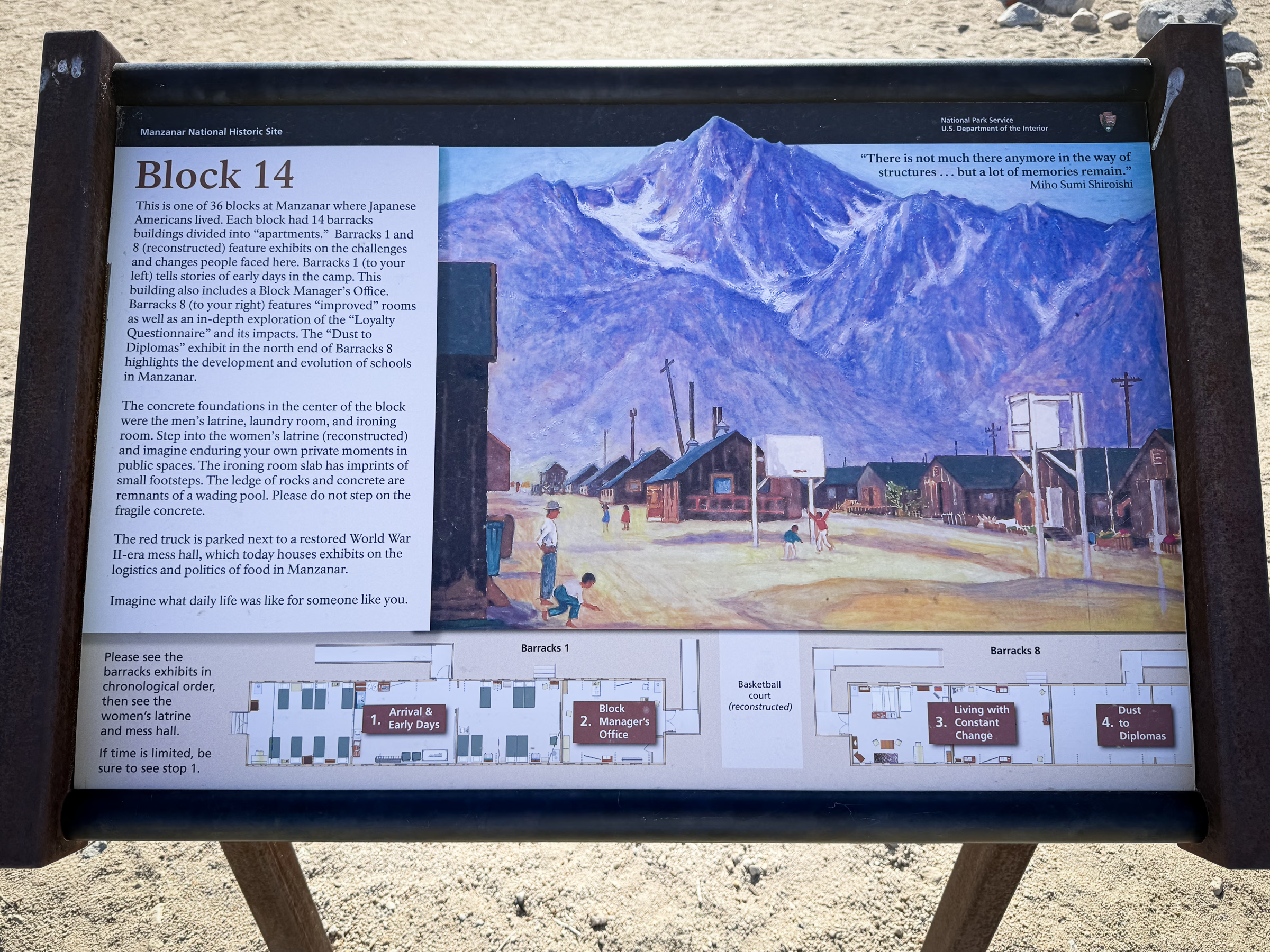
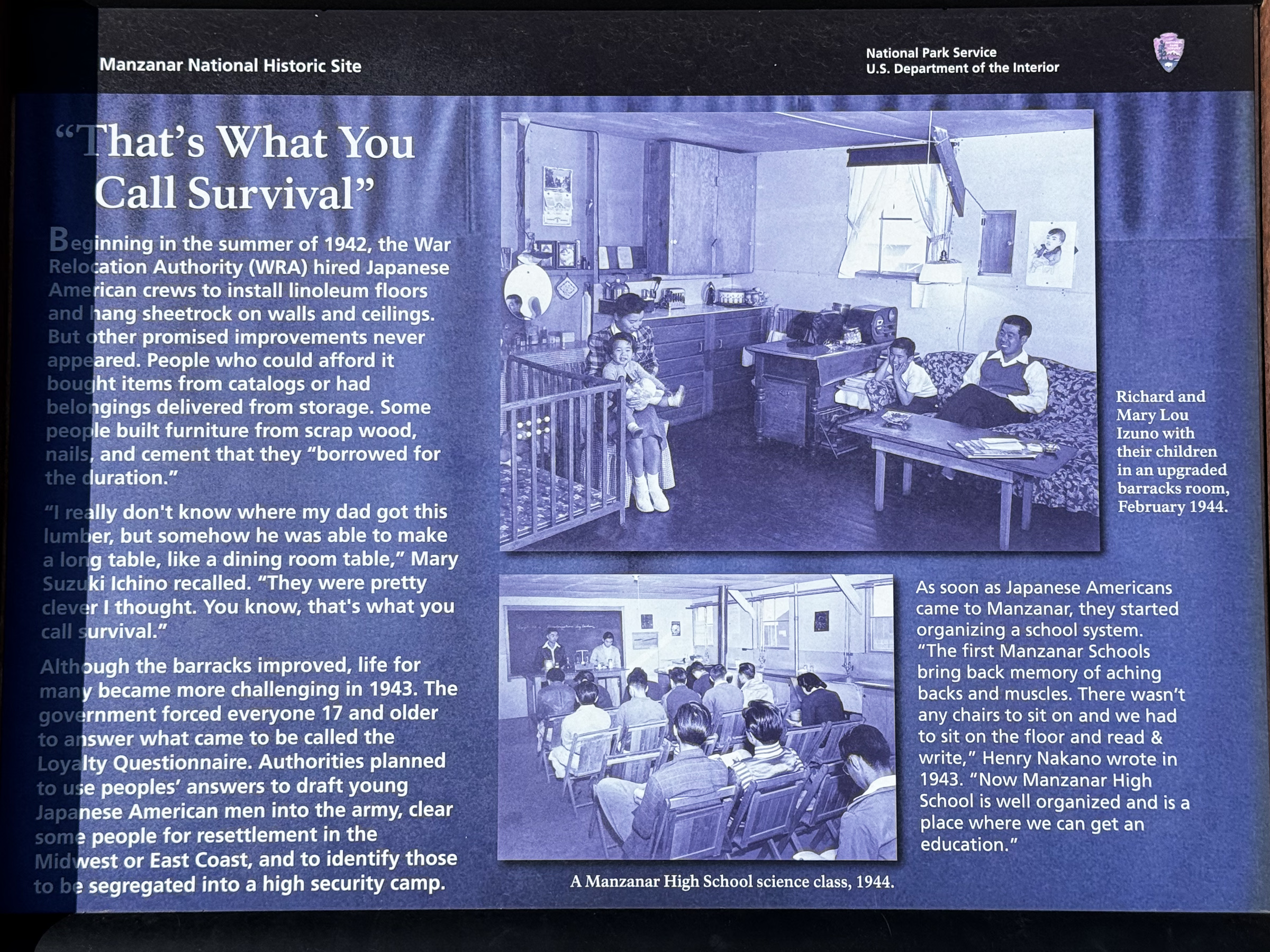
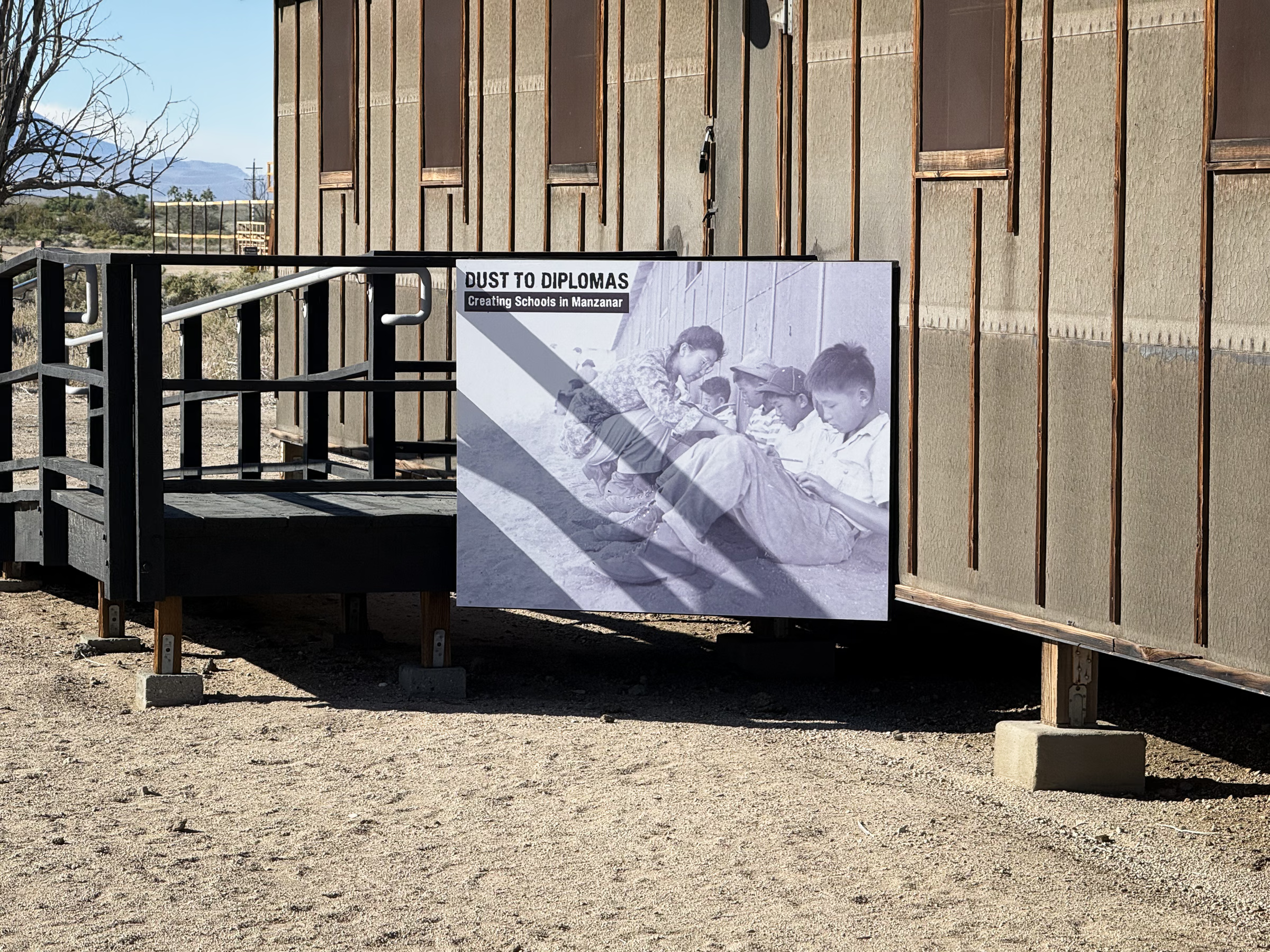
Manzanar was one of ten “relocation” camps established in the United States a few months after Pearl Harbor to hold people of Japanese descent. They were not criminals (there were regular prisons for those), and they were not prisoners of war (there would eventually be over seven hundred of those in the United States, holding nearly a half million people). Most of the 125,000 Japanese who were held in the camps were U.S. citizens supposedly under the full protection of the Bill of Rights. Yet, many were forced to sell their homes and businesses and then imprisoned. Most of they were taken from the western part of the United States, where the fear of Japanese invasion—and thus the fear of saboteurs and collaborators—was greatest. There was no evidence presented at the time against the people imprisoned. In the eighty-four years since the first prisoner arrived, there has been no evidence uncovered that the incarcerations served any national purpose.
Manzanar itself, with about 10,000 people, wasn’t the largest of the camps (that “honor” goes to Thule Lake, which held nearly 19,000 people), nor was it the smallest (that would be Granada, in Colorado, at about 7300 people). Eight of the camps were in the Western part of the United States, but two were way out in Arkansas, with a combined 17,000 prisoners.
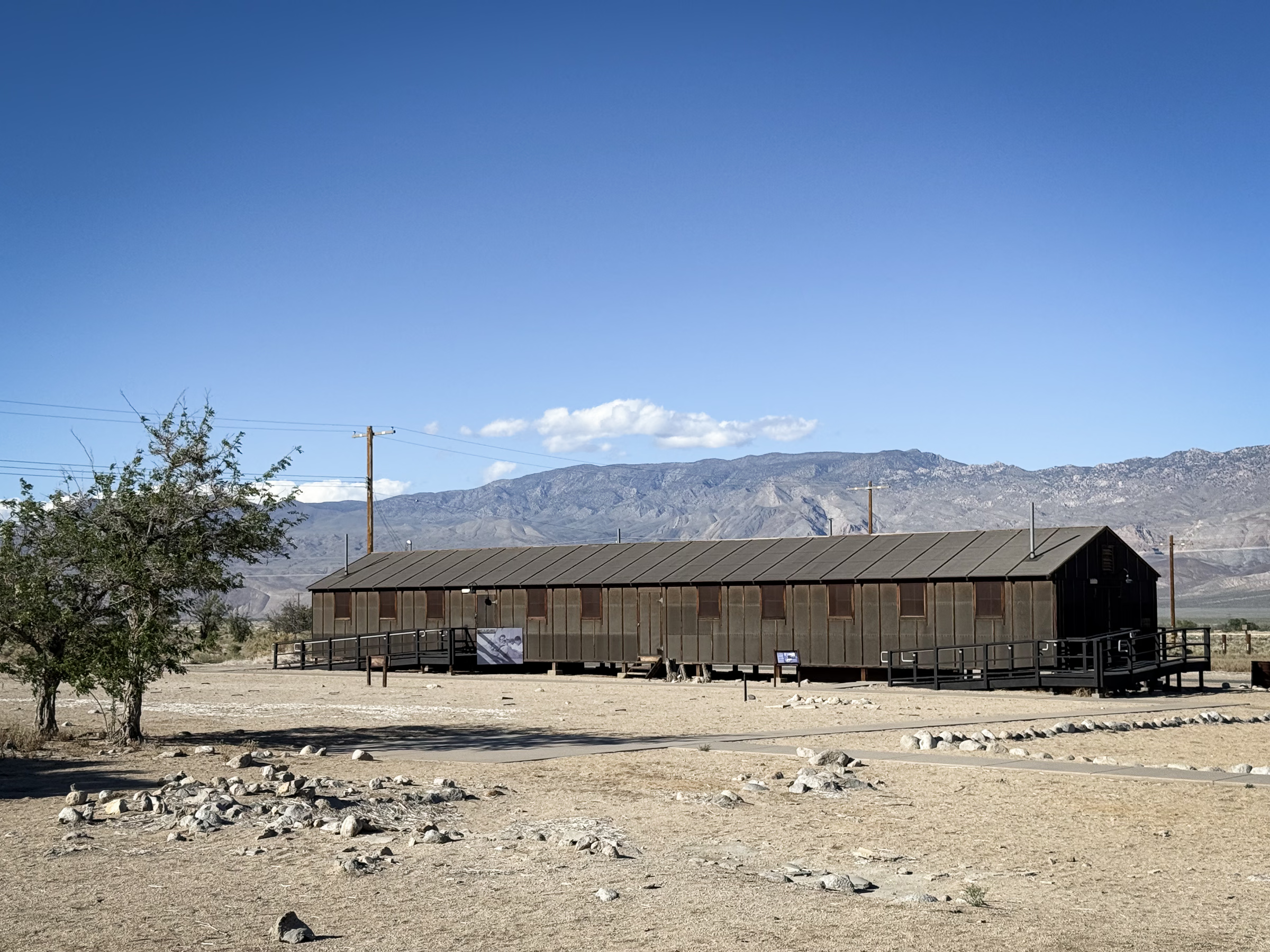
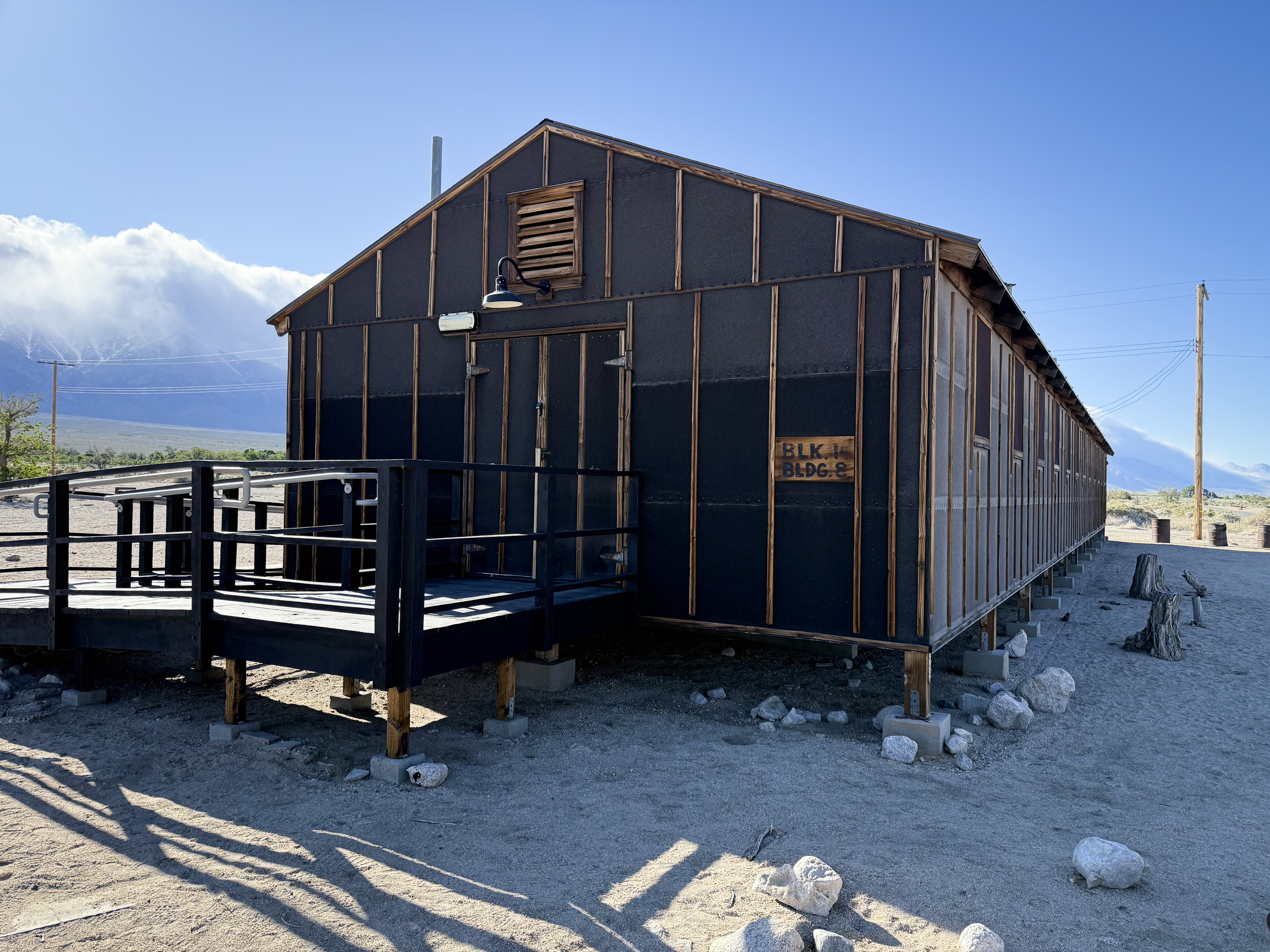
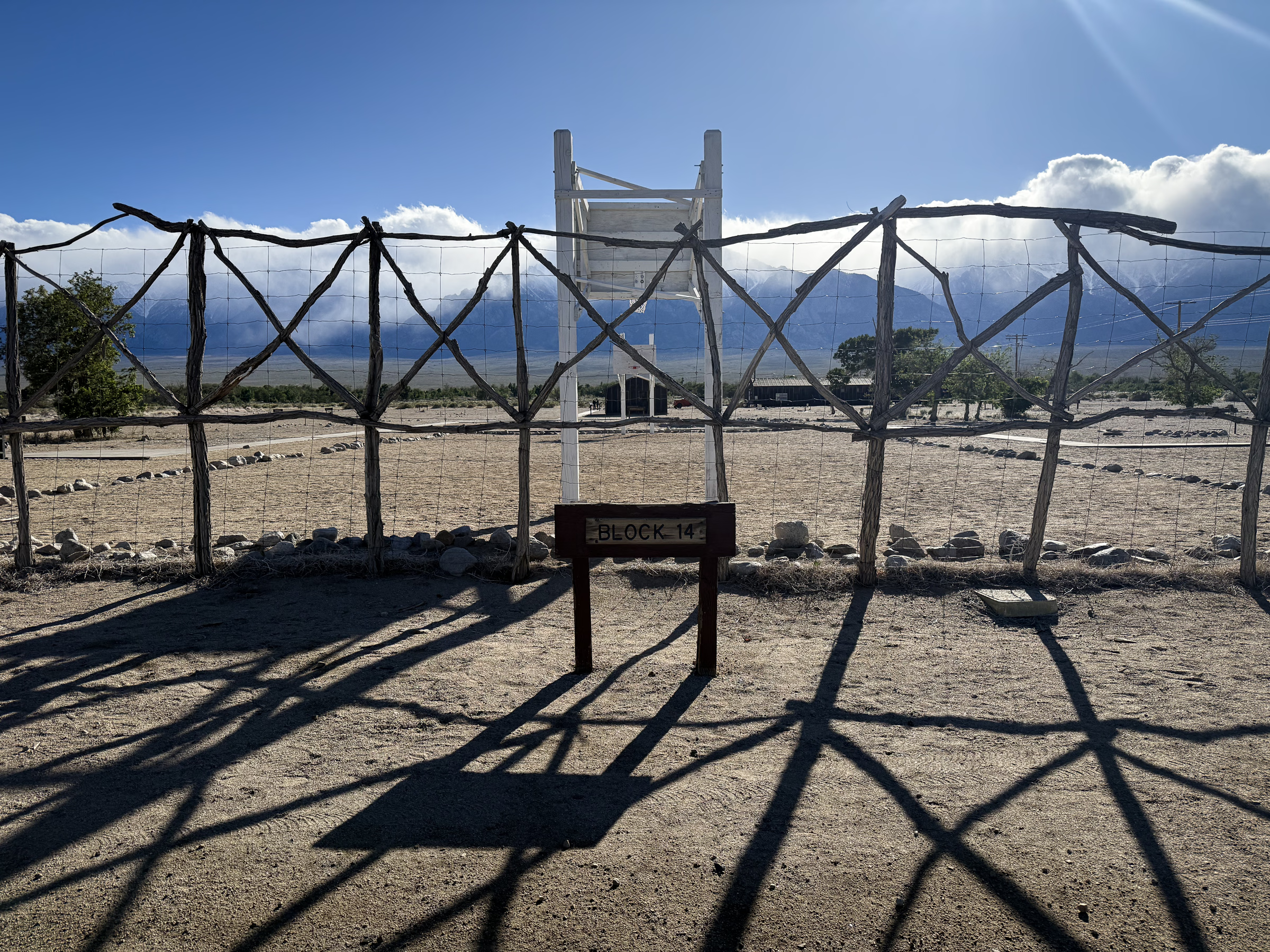
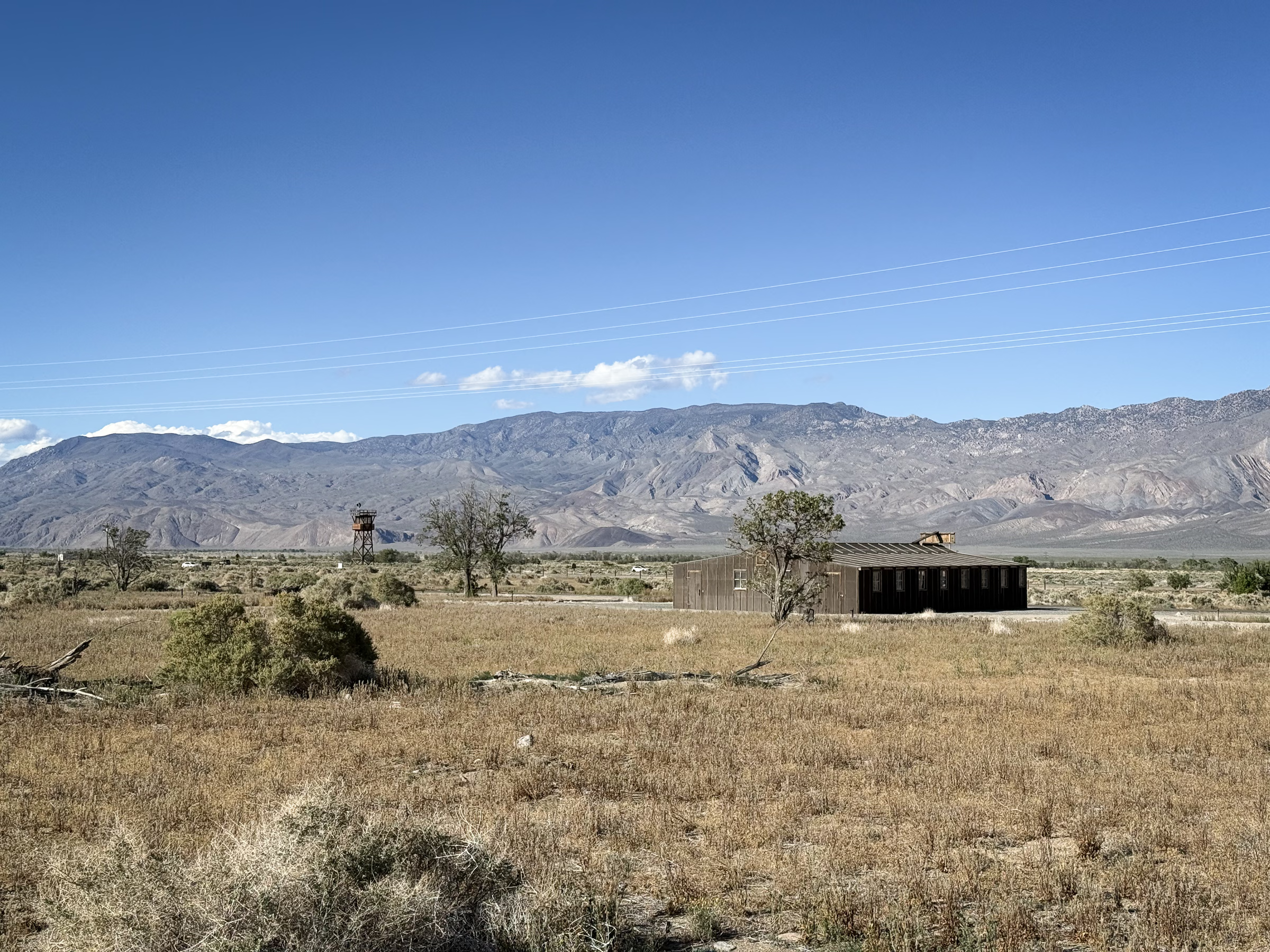
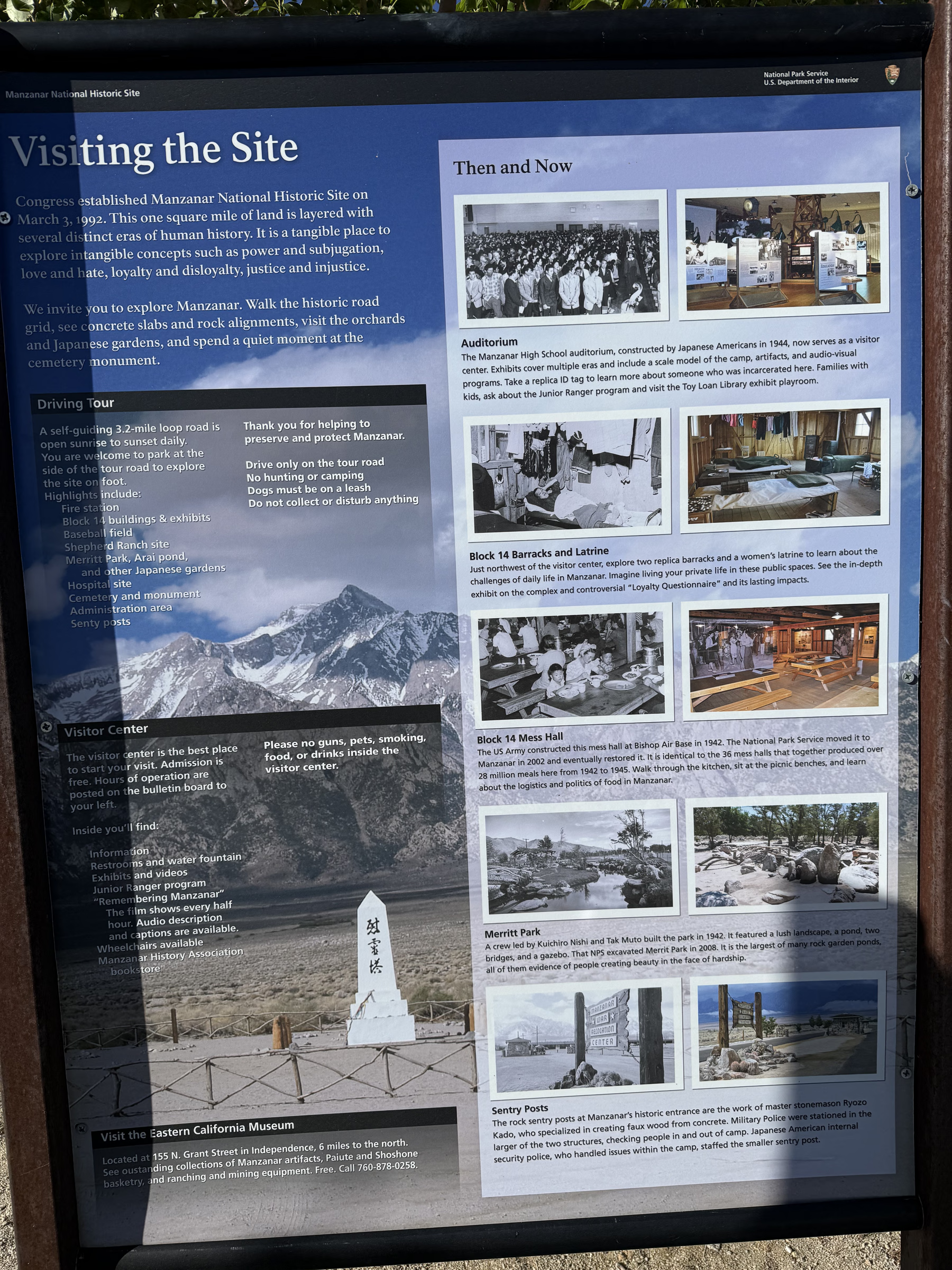
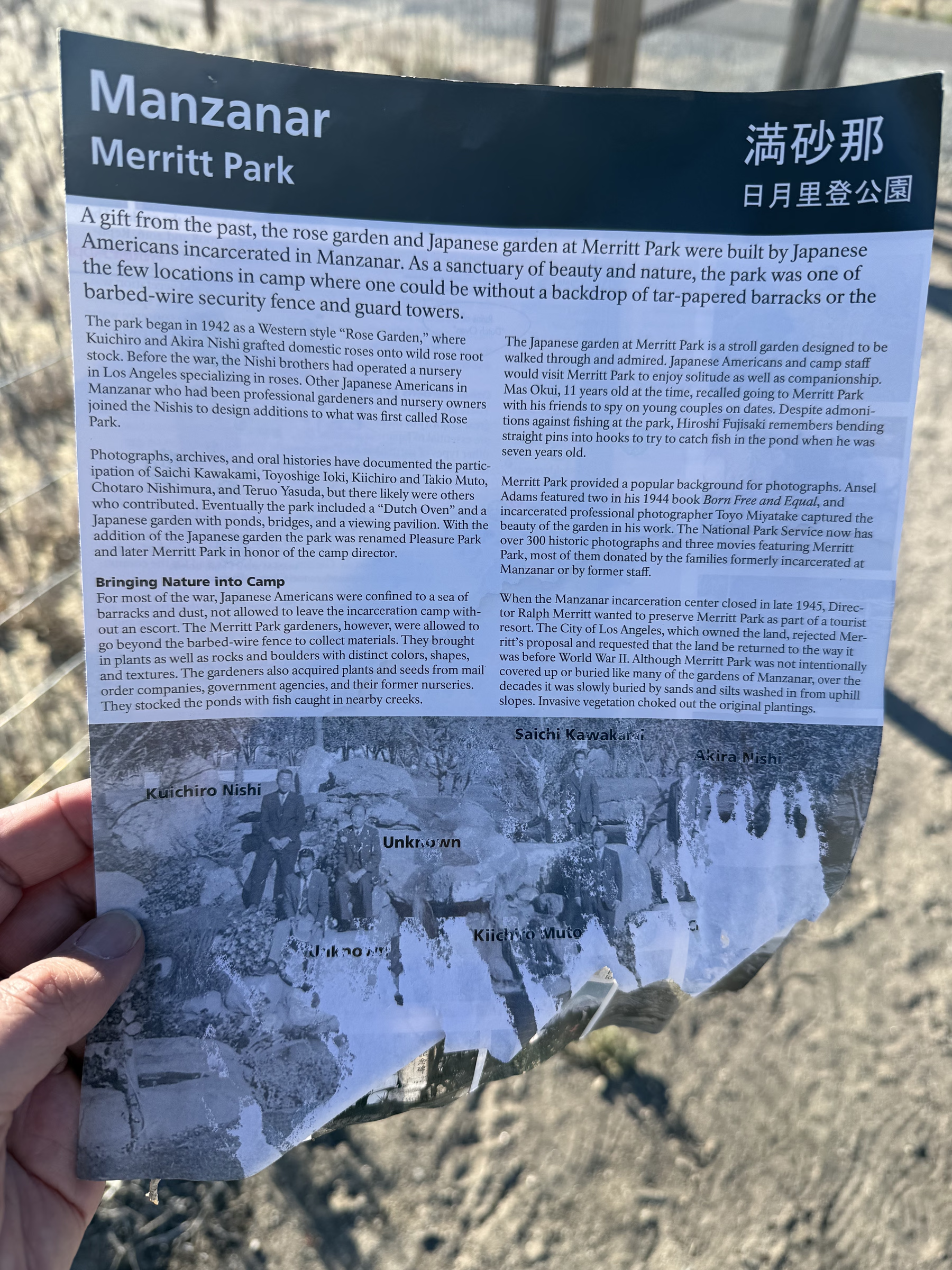
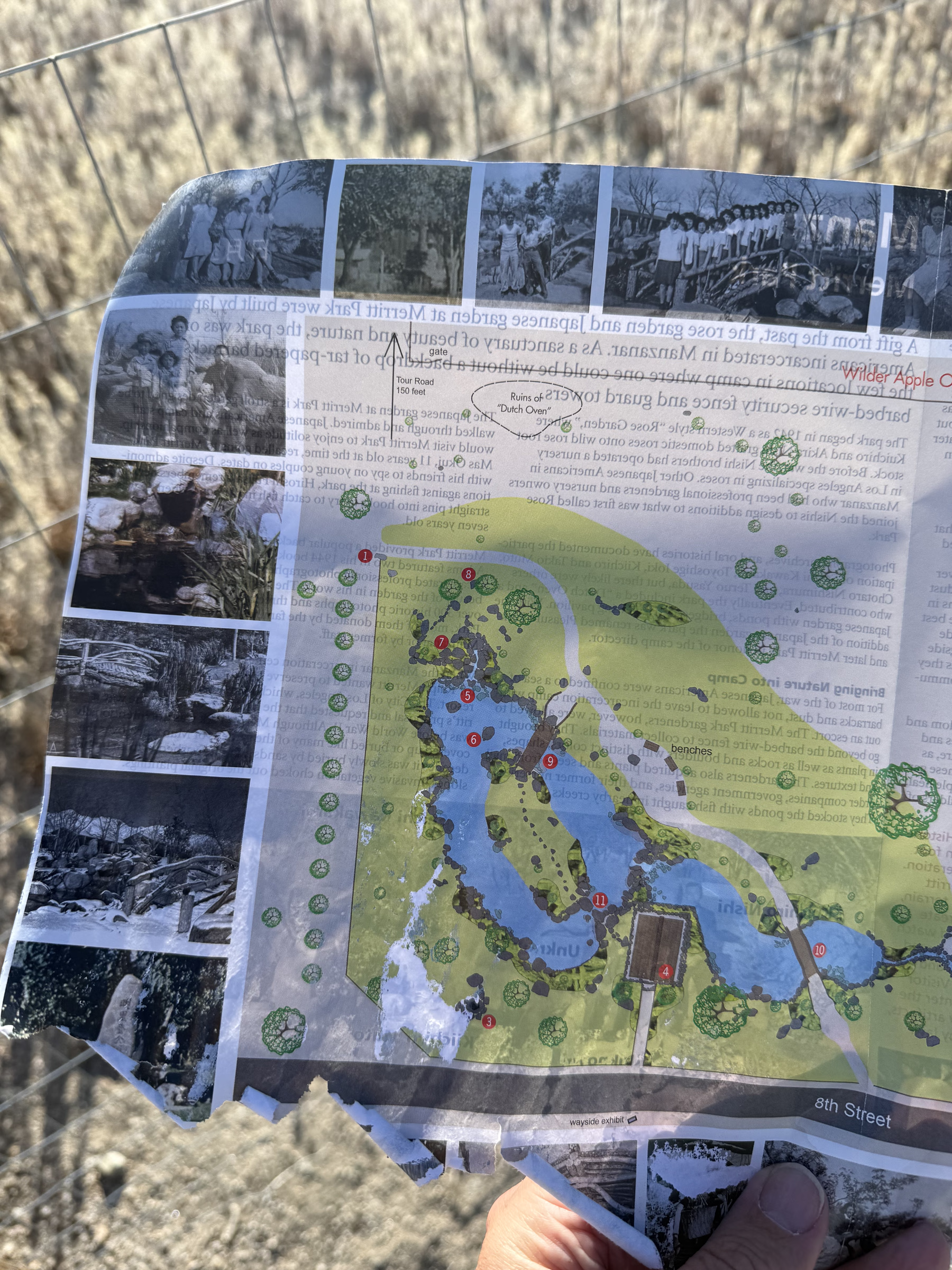
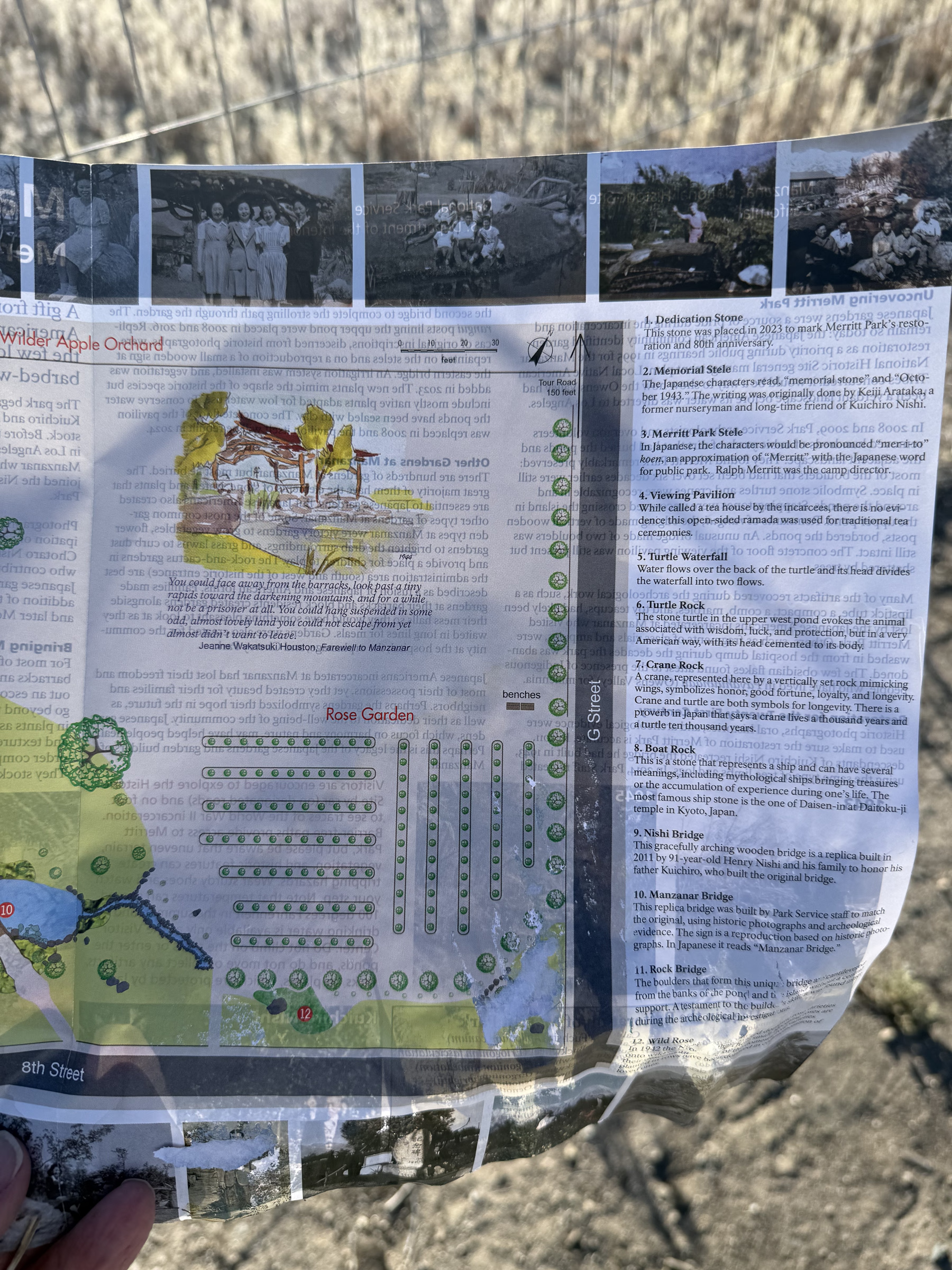
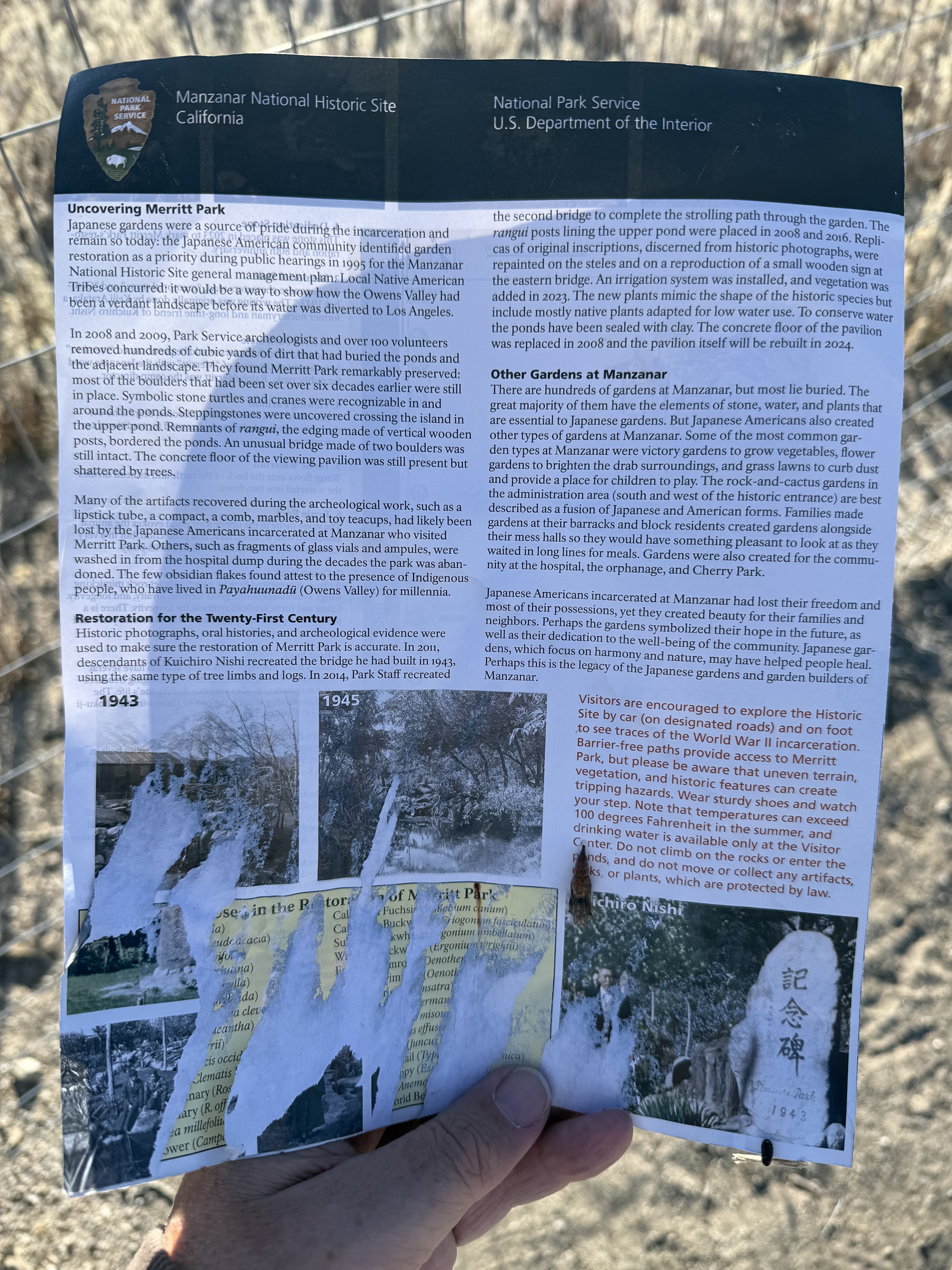
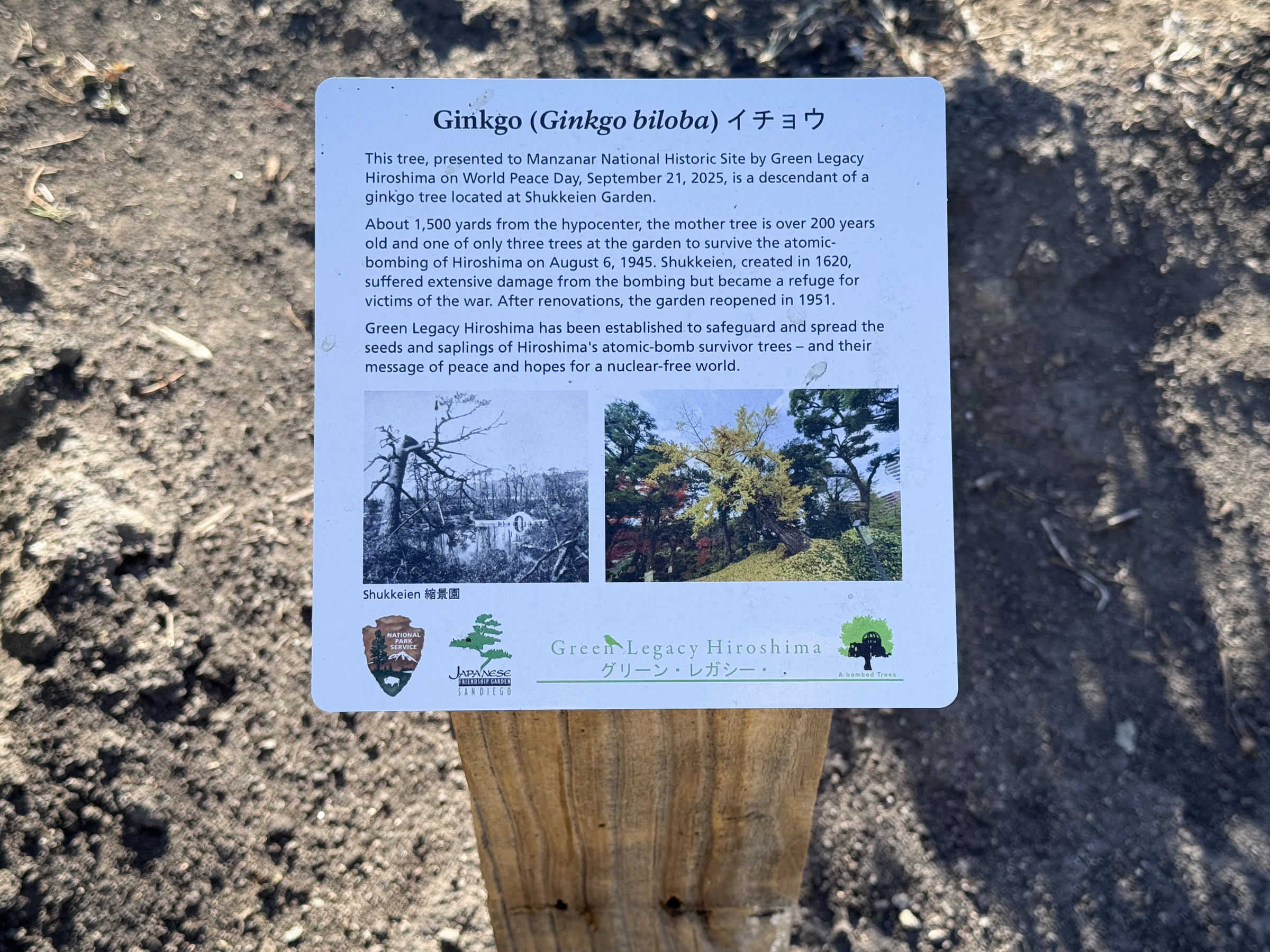
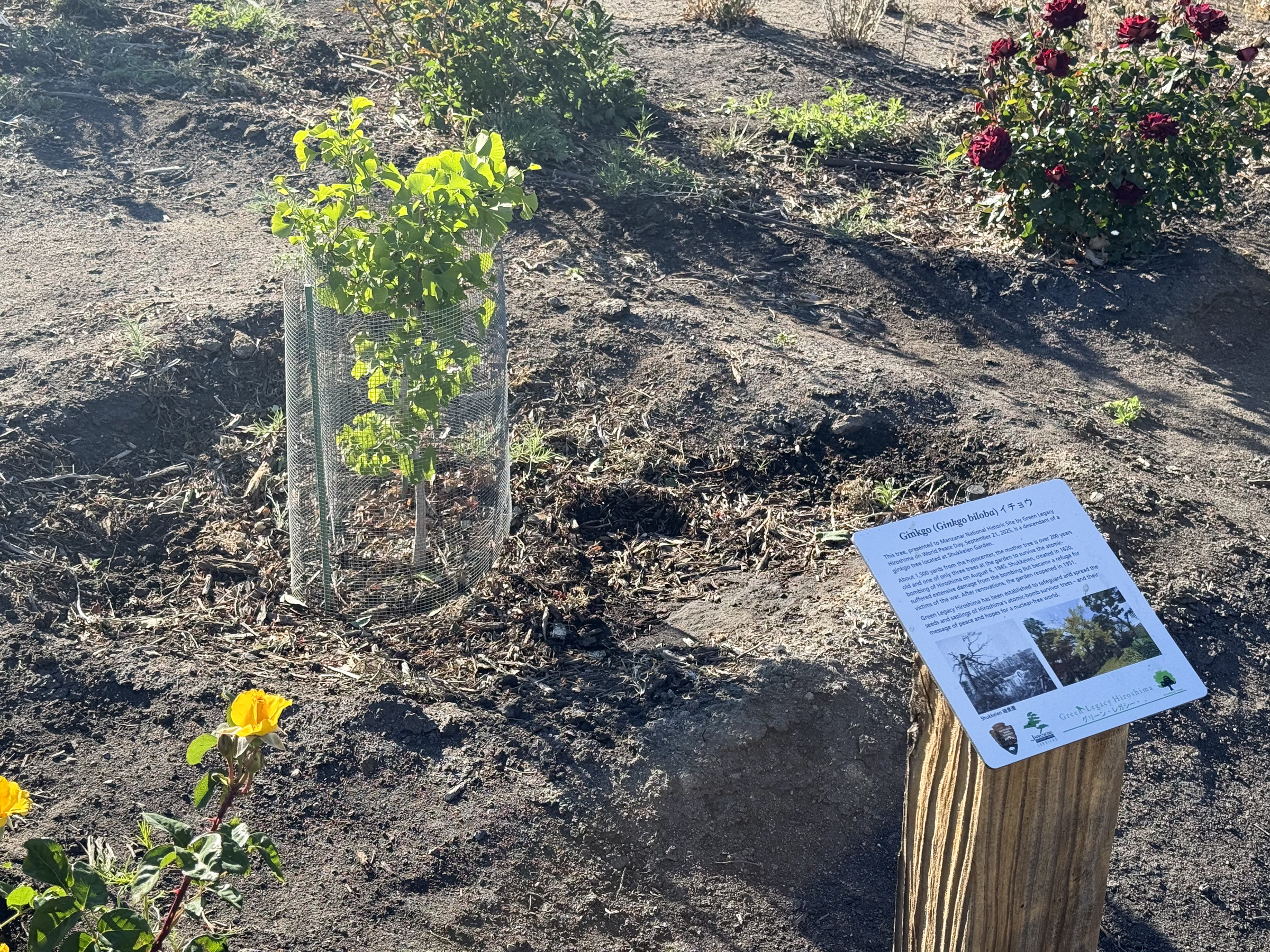
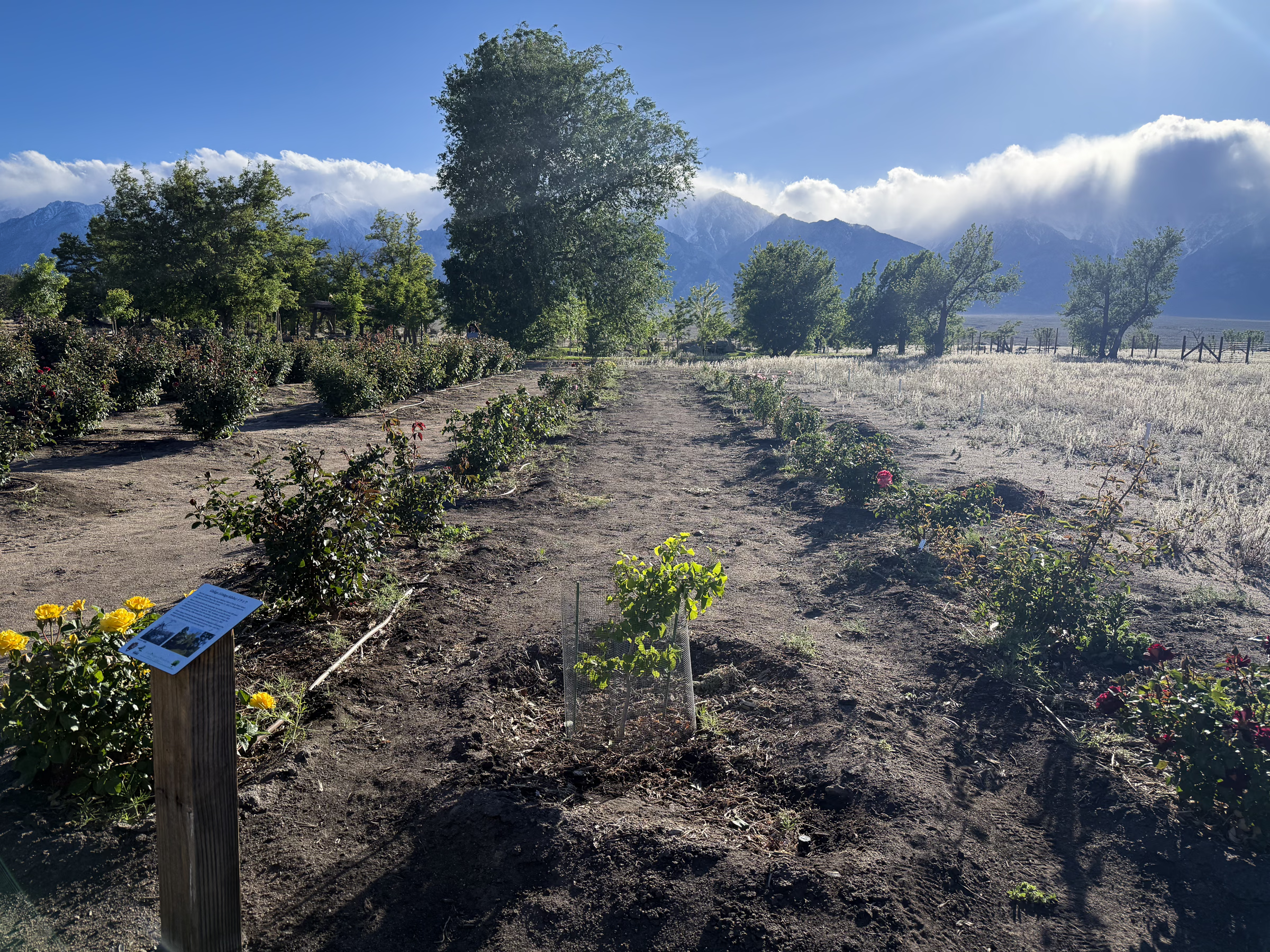
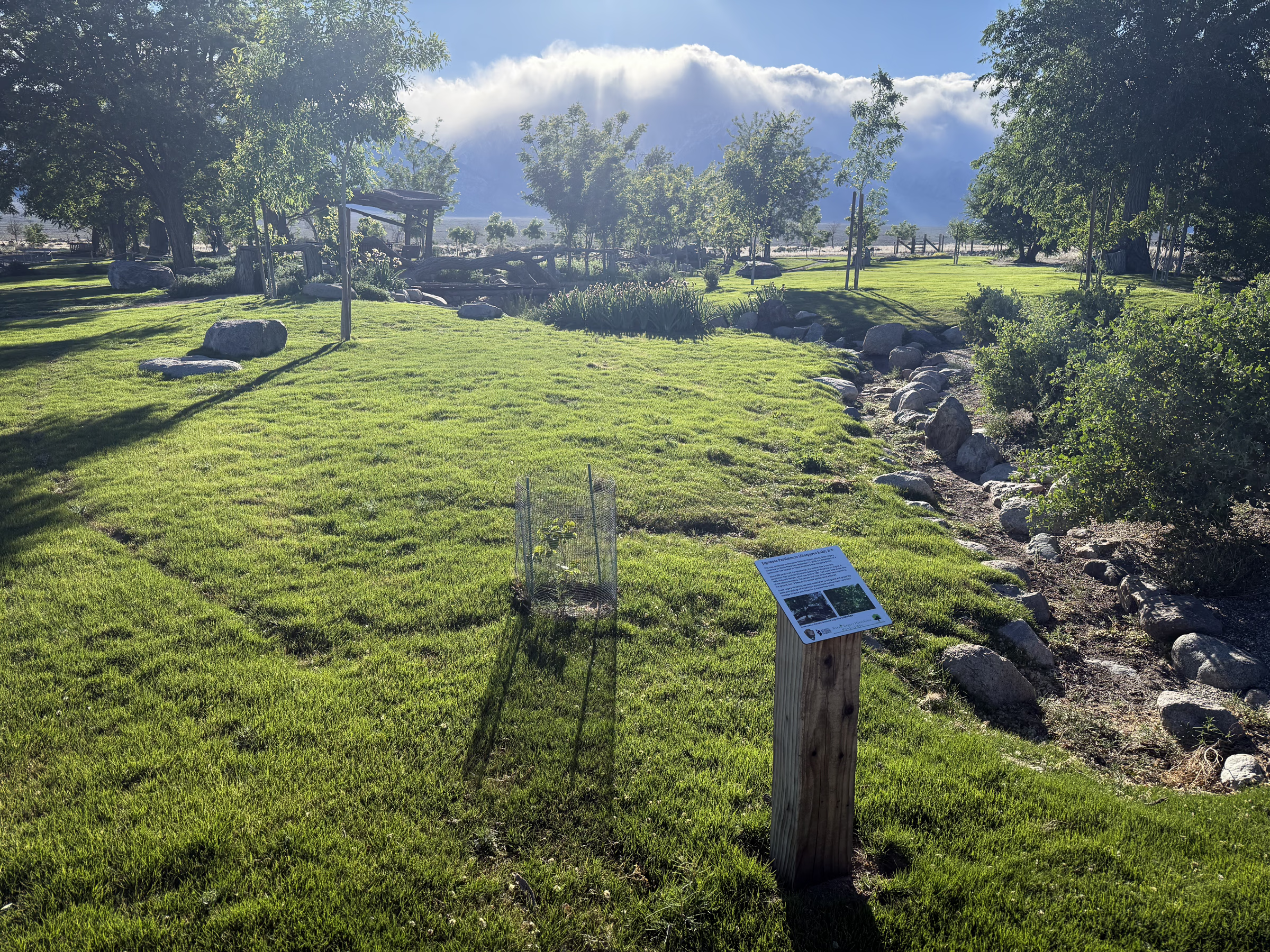
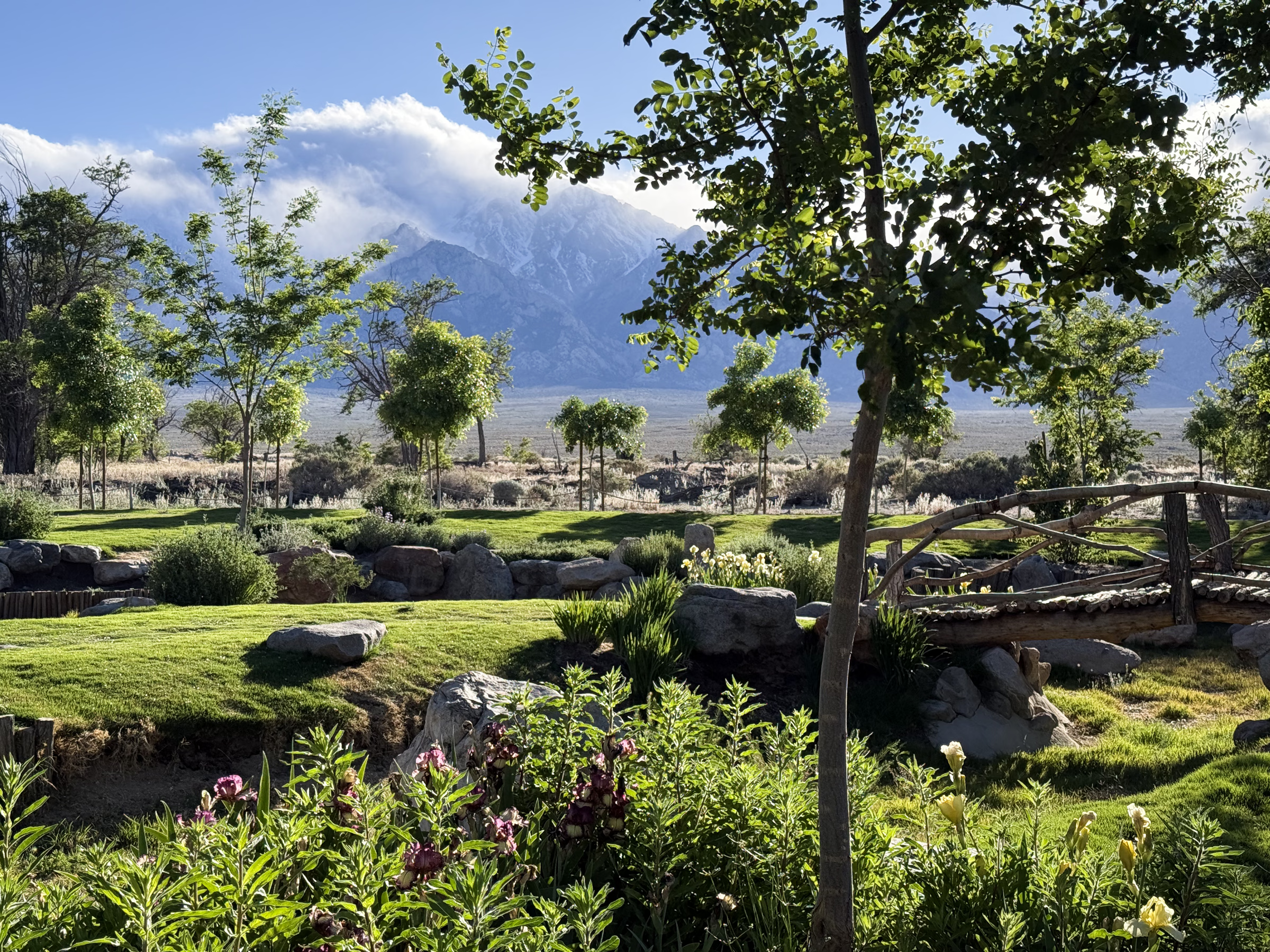
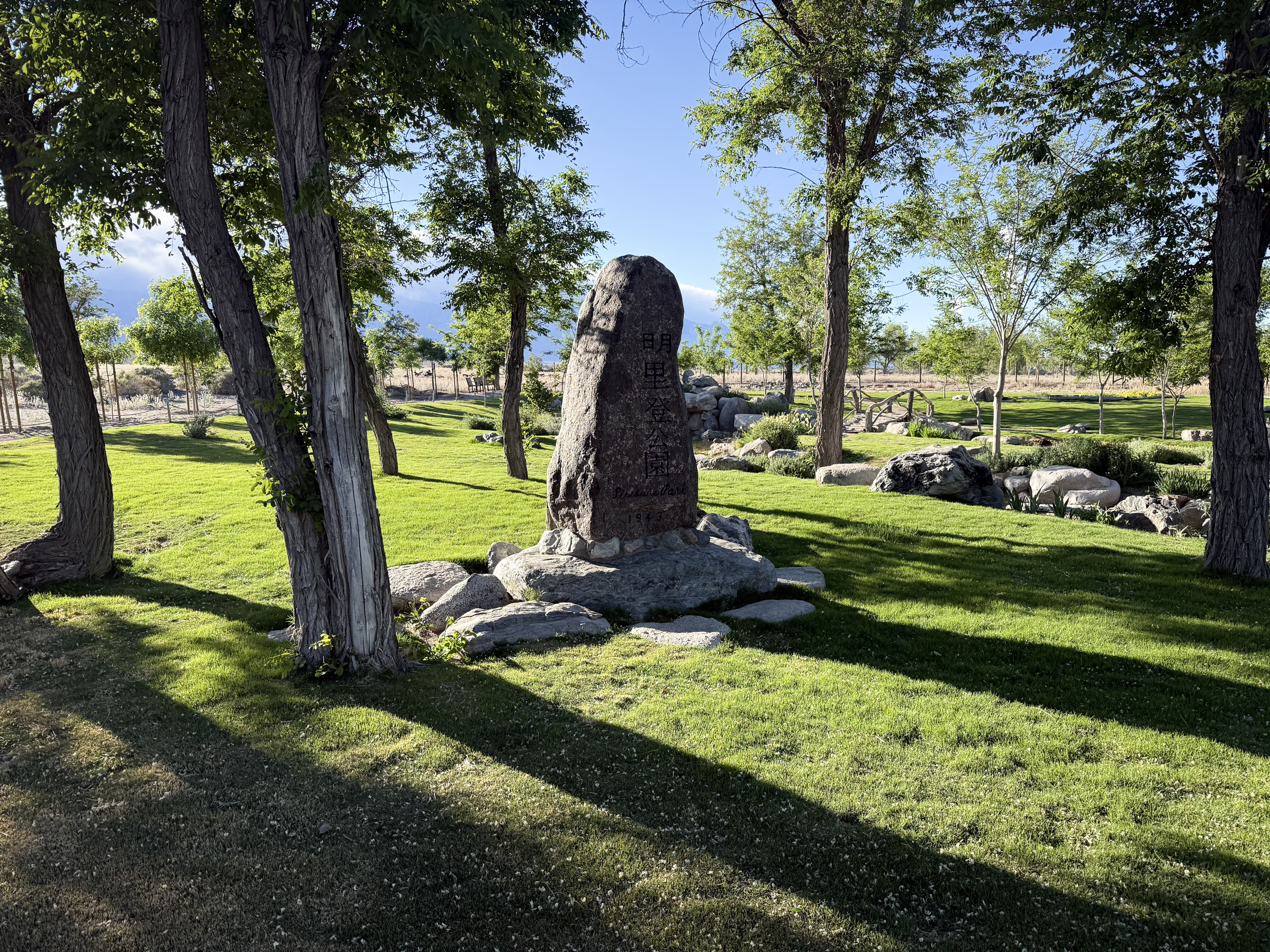
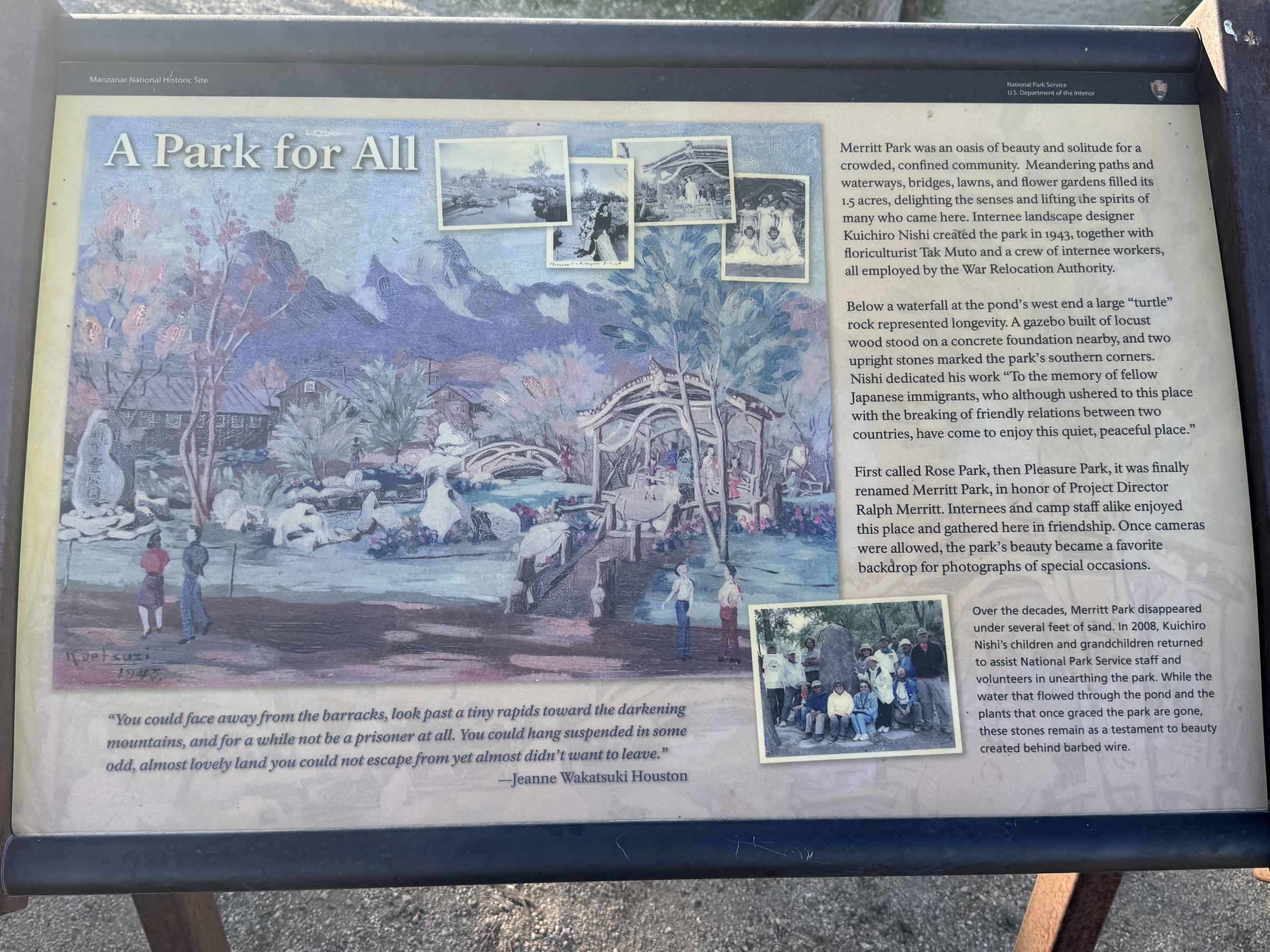
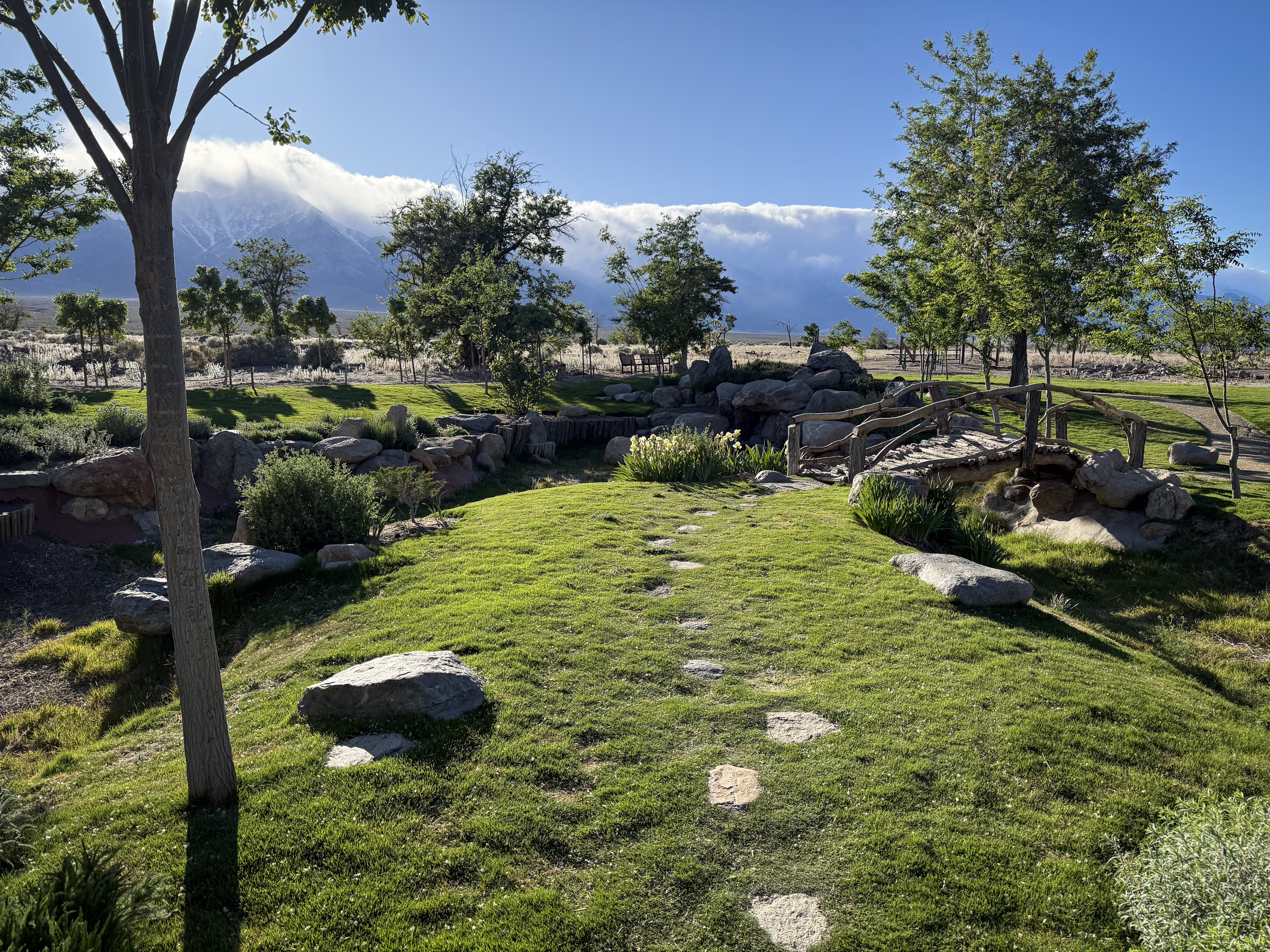
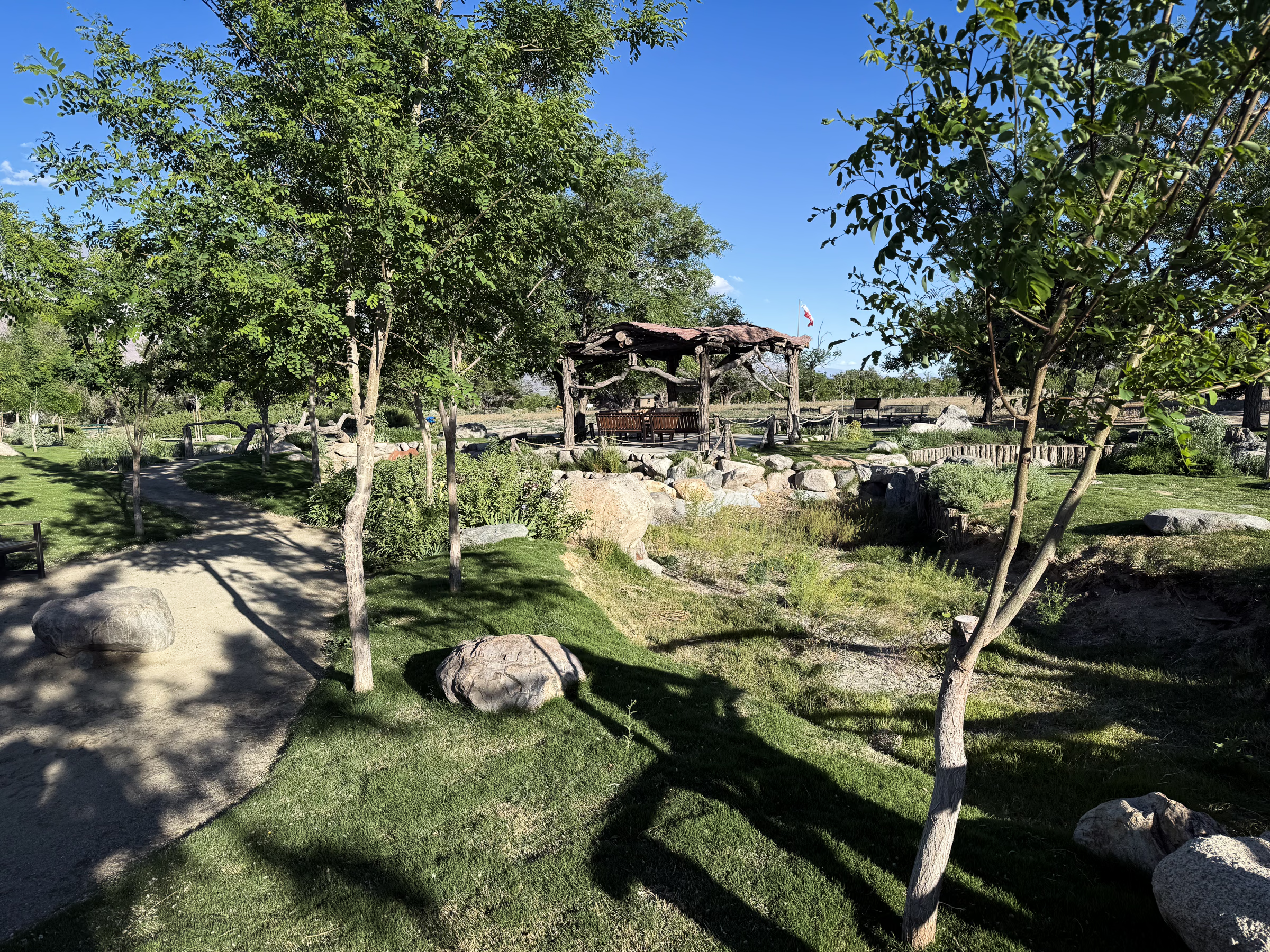
Manzanar, the National Historic Site, is more than just an attempt to recreate the buildings of the camp. It is a memorial to a great constitutional wrong, a shrine to the endurance of people, and a park offering beauty and understanding, and perhaps, reconciliation.