

There’s something about traction boards that calls out to the inner man. Before Overlanding was a “thing,” before #vanlife filled our Instagram feeds, Sprinter owners fetishized their traction boards. There they were, right there on the van, the oranger the better, mounted like trophies.
For those new to all this, traction boards are one of the most utilitarian things you will buy for your van. When you get stuck, you jam it under your tires to give them something to grip. That’s it.
Yet there is some symbolism, some emotional factor at work here. Traction boards, it seems, signal your ruggedness, your ability and willingness to go beyond where most people go, a visible membership badge to some new Iron John society of desert-crossers living a life of dirt and adventure.
Thus, I was very excited when my traction boards arrived from REI, as you might guess. And then another, from a different manufacturer, arrived from Amazon. Before I decided on one or the other, why not compare them? Why not photograph them?
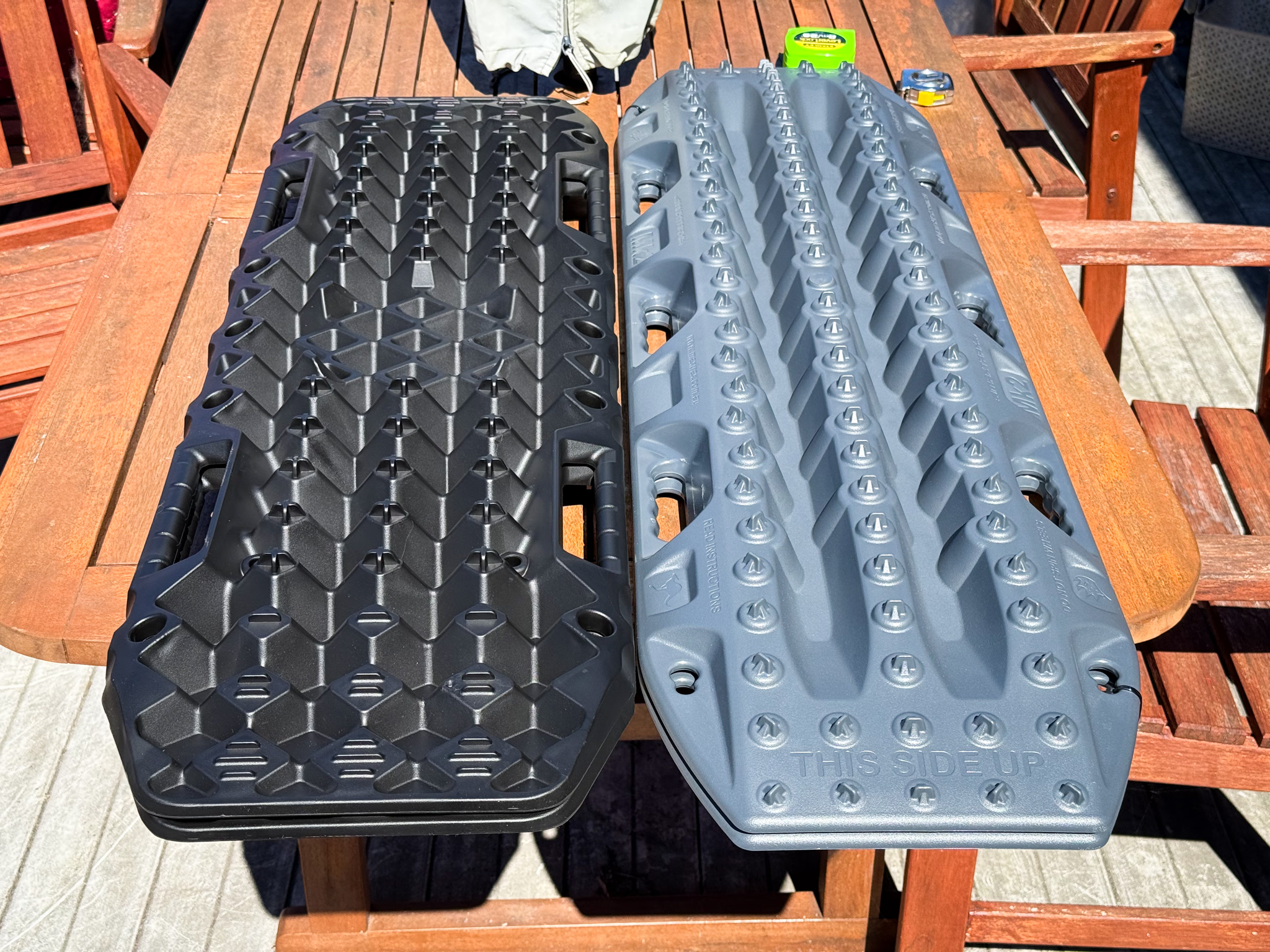
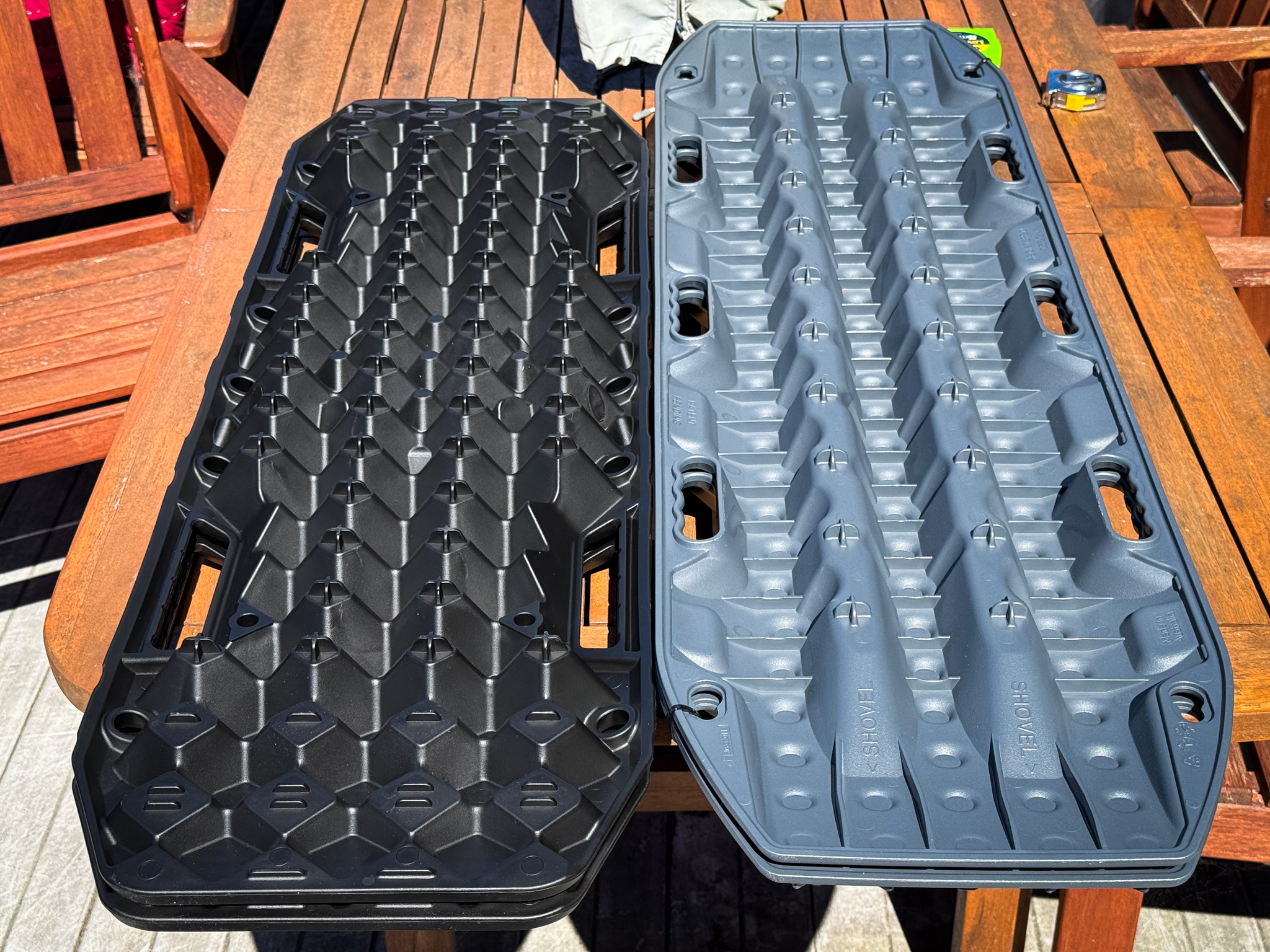
The first set is the Maxtrax (the lighter color), the traction board that got the whole traction board thing going. The second is the Bunker (the darker color), a lower-priced alternative.
Length
The Maxtrax are 45 inches long. The Bunker is 40.5 inches long. I didn’t measure the overall length but the difference between the two is about 5.25 inches, so something seems off. But the point is that the Maxtrax are somewhat longer than the Bunker.
Weight
The Matrix boards weigh 15.2 lbs, according to my home scale. I weighed myself, then weighed myself holding the boards, to get the total weight into a good working range for a bathroom scale. The Bunker, which is shorter than the Maxtrax, came in at 12.7 lbs. Note that these weights are for both boards, which is the weight you care about since that is the weight that will be mounted to your van in one way or another.
The Maxtrax is longer, so it’s no surprise that it is heavier, but even if you adjust for length, it is still the heavier of the two. On a per linear inch basis, the Maxtrax is 0.33 lbs per inch, the Bunker is 0.31 lbs per inch, about a half-pound difference if both boards were the same length as the Bunker. It is hard to tell if the material itself is heavier or if there is more mass simply from the differing shapes or height of the teeth. It’s also not clear if the weight of the board makes any practical difference and, if so, if lighter or heavier is better.
Material
The plastic of the Maxtrax is harder and the overall board is difficult to bend. The Bunker’s plastic feels softer to the hand and bending the boards into a slight curve was easier (though not easy).
Design
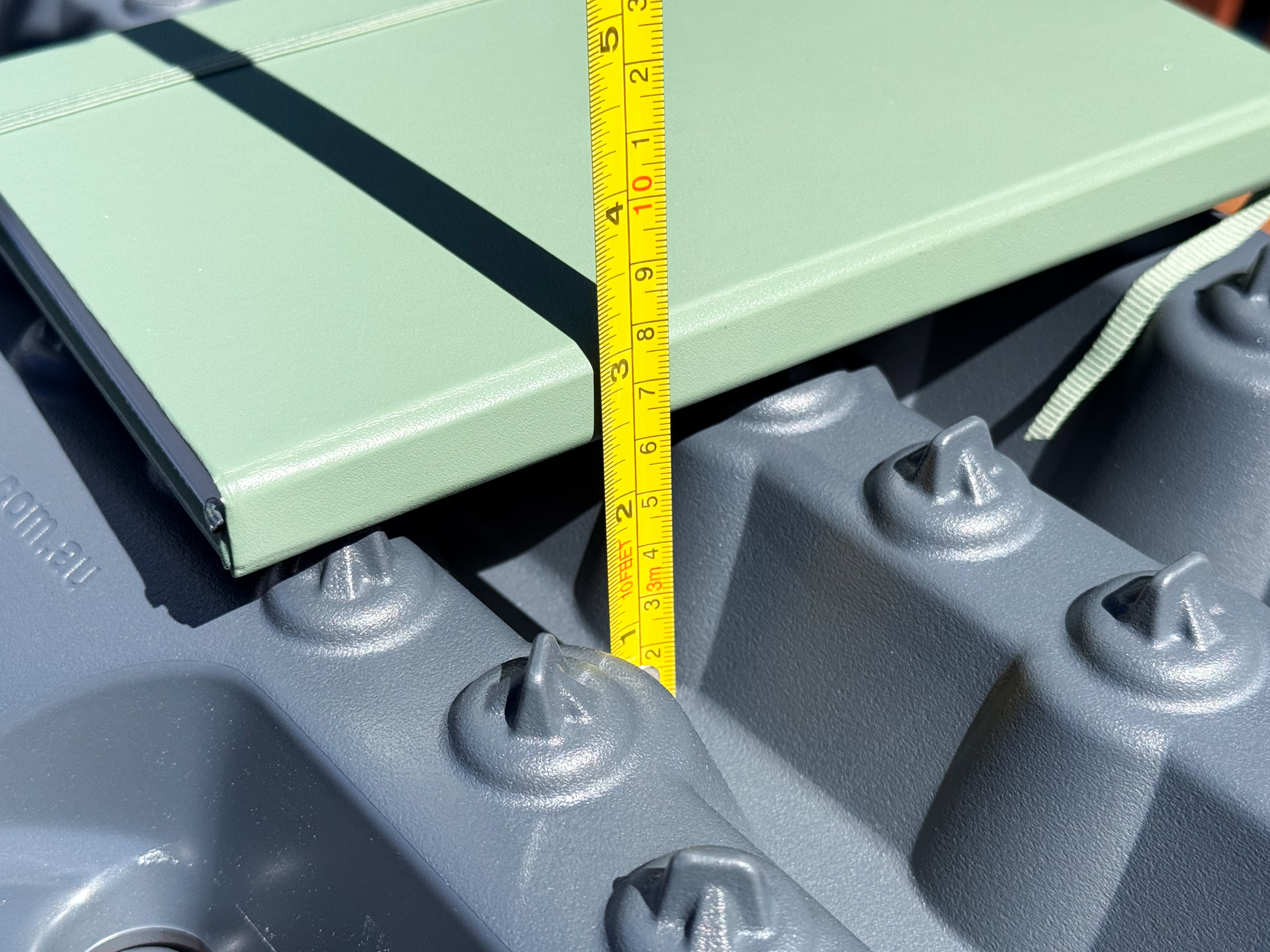
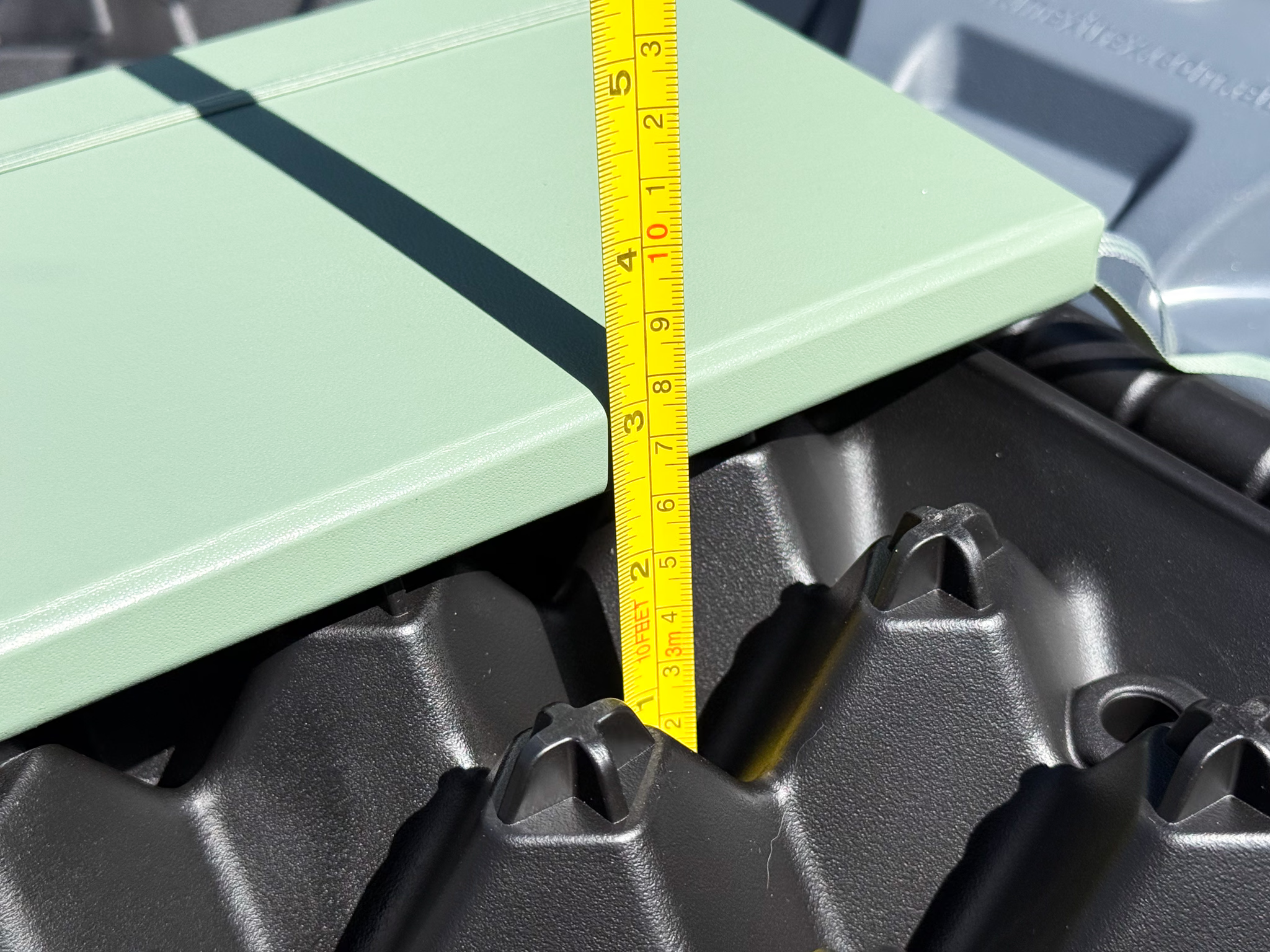
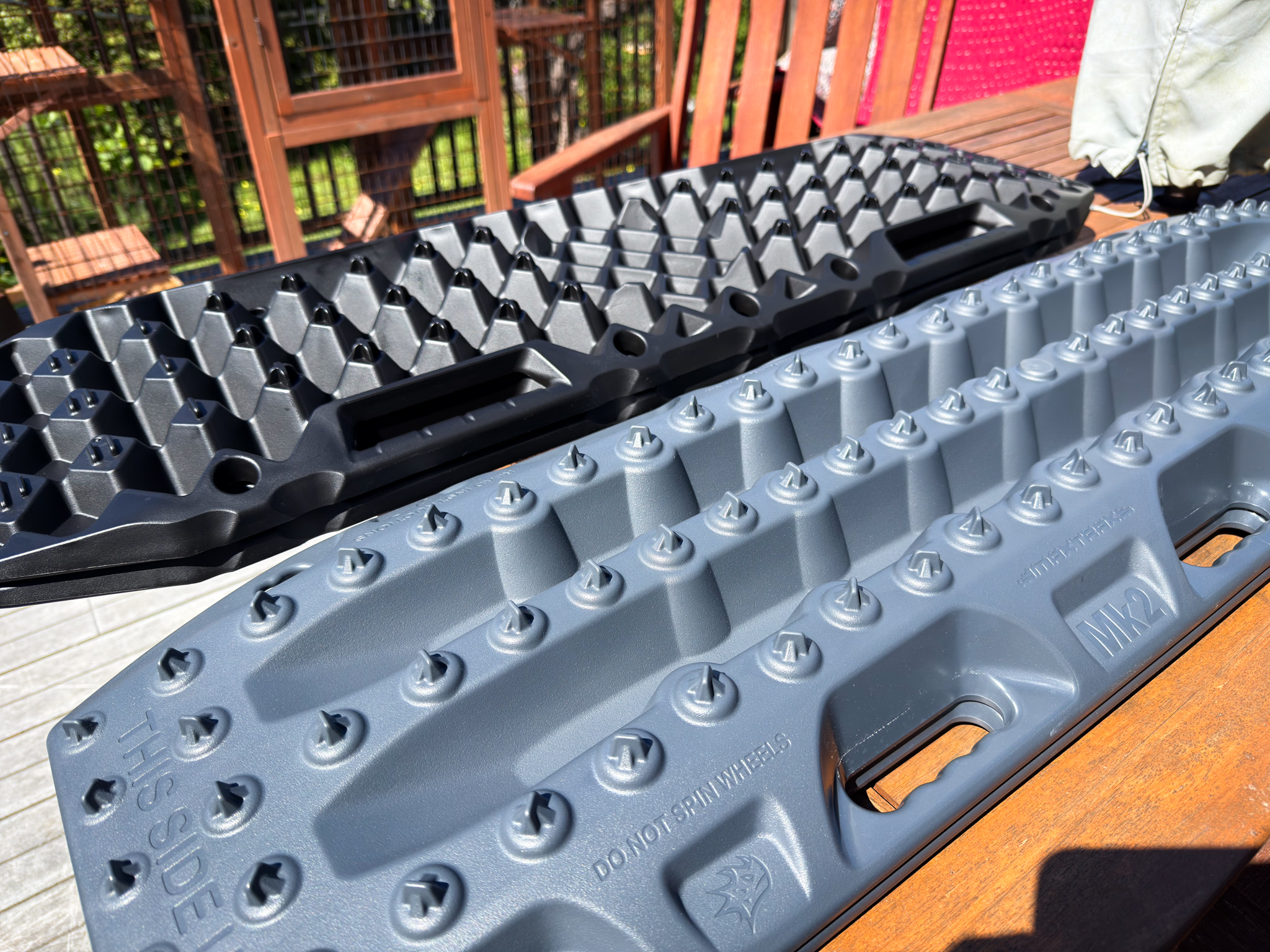
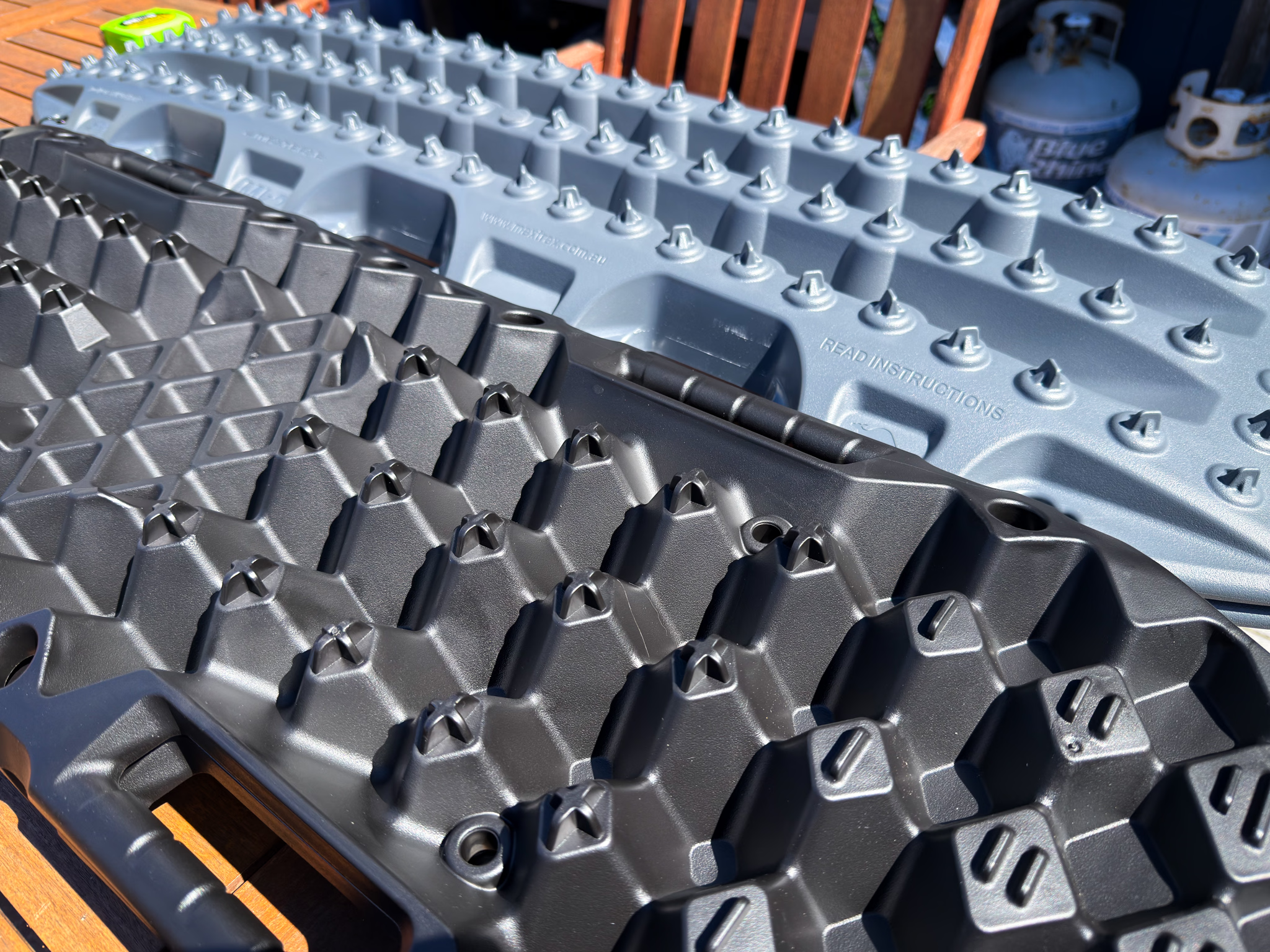
The Maxtrax design is three toothed ridges running lengthwise down the board. Between these ridges run two deep channels, which I presume gives the mud that is caked on your tire somewhere to go. The Bunker has a tower matrix design, with smaller channels width-wise and length-wise and toothed towers arranged in a grid. The depth of the channels on the Maxtrax looks to be about 2 3/8 inches. On the Bunker, the depth is right around 2 1/2 inches.
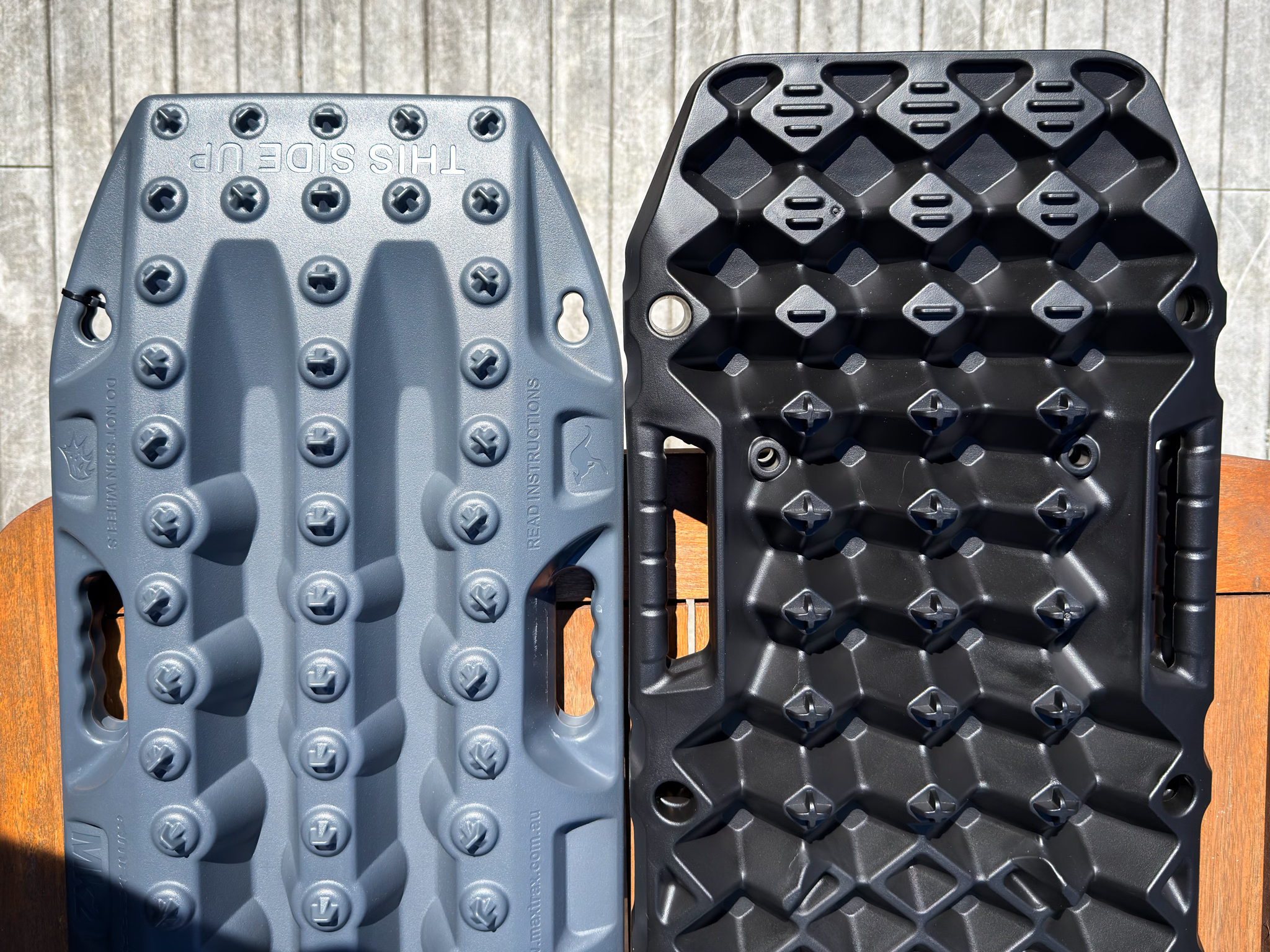
In the middle of the Bunker traction board is a towerless area, square in shape. This is here to allow you to use the traction board as a base for a jack, in case you need to change a tire on soft or uneven ground. The Maxtrax does not offer this feature.
Note that the Maxtrax has four mounting holes, two on each side. The Bunker has ten, five on each side. Unfortunately, they do not line up in any way. I had intended to drill holes for mounting posts into my cargo box on my Noovo but now I’m concerned about what to do if I change brands down the road.
Handles
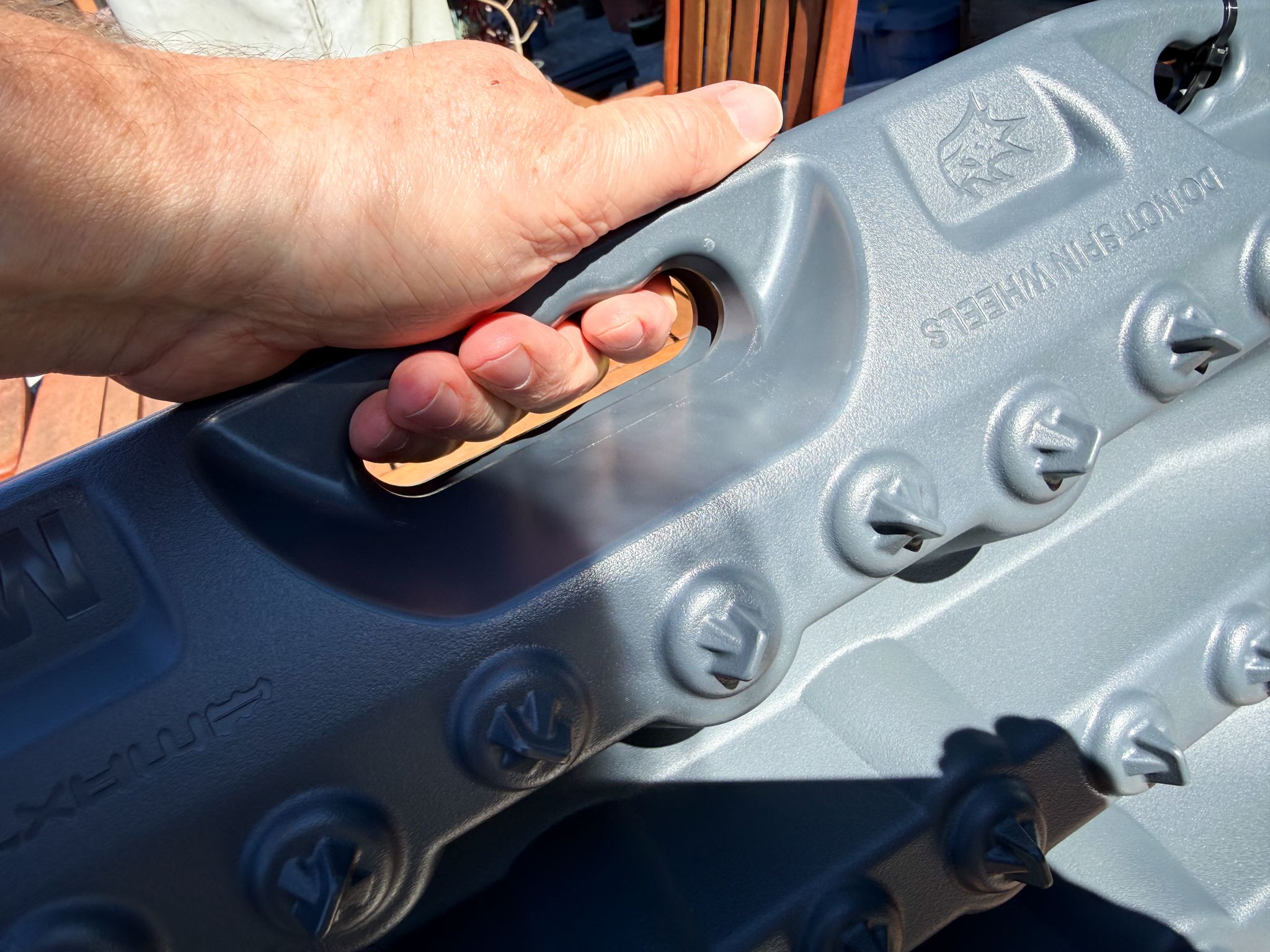
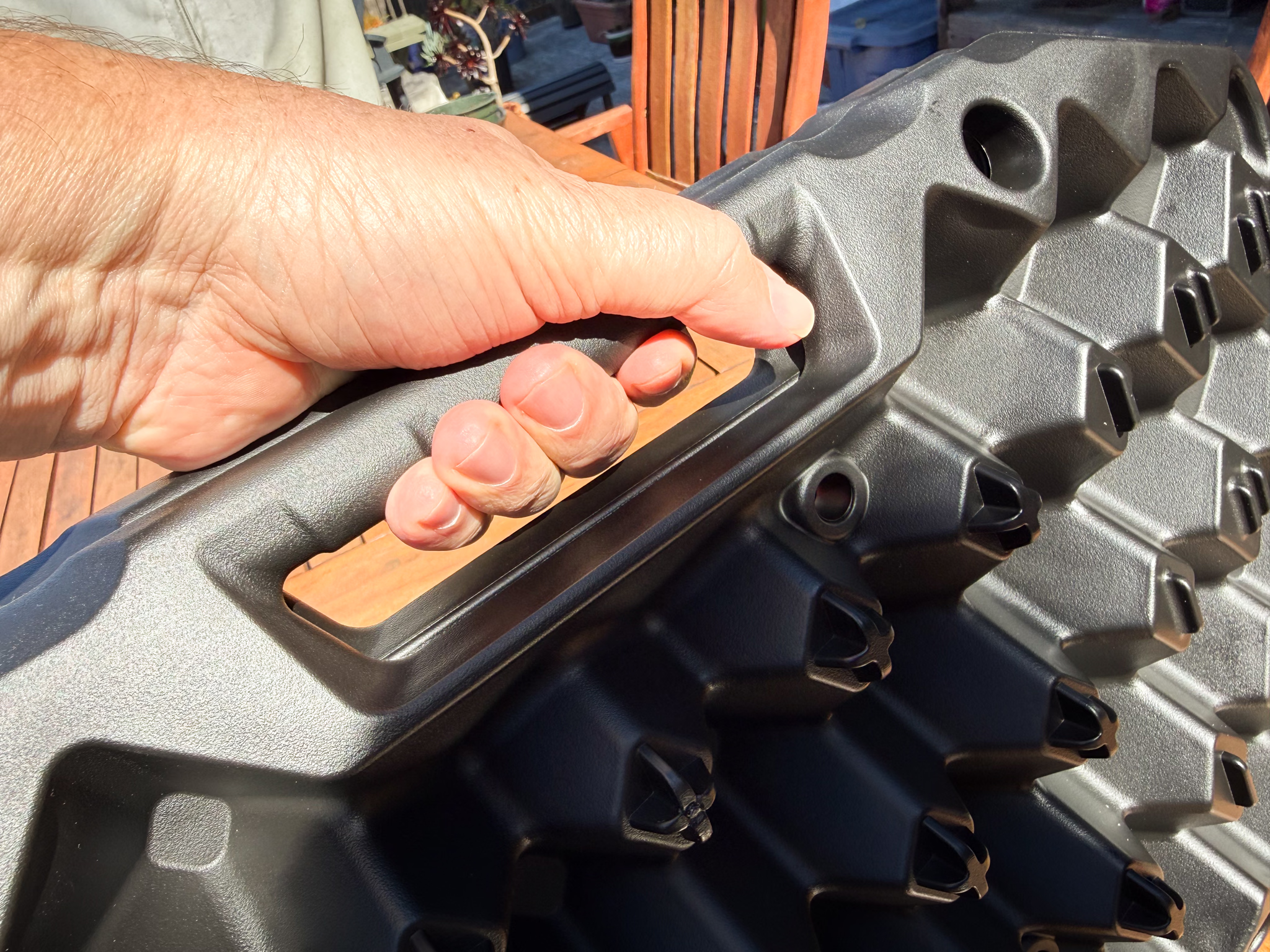
The Maxtrax has three tight-fitting handles running down each side. There is an “edge” to the plastic here and the grip is uncomfortable. The opening is small as well. My hand, not especially large, barely fit in the opening. I didn’t try with gloves but I wouldn’t think I could get my hand in if I were wearing them. The Bunker has two handles on each side. The opening for your hand is larger than the Maxtrax, both slightly taller and significantly wider, without any uncomfortable edges.
Branding
The Bunker board has no branding on it, no text or logos of any kind. Without its box, you might have no idea what brand it is (which may suggest it is being sold under other brand names).
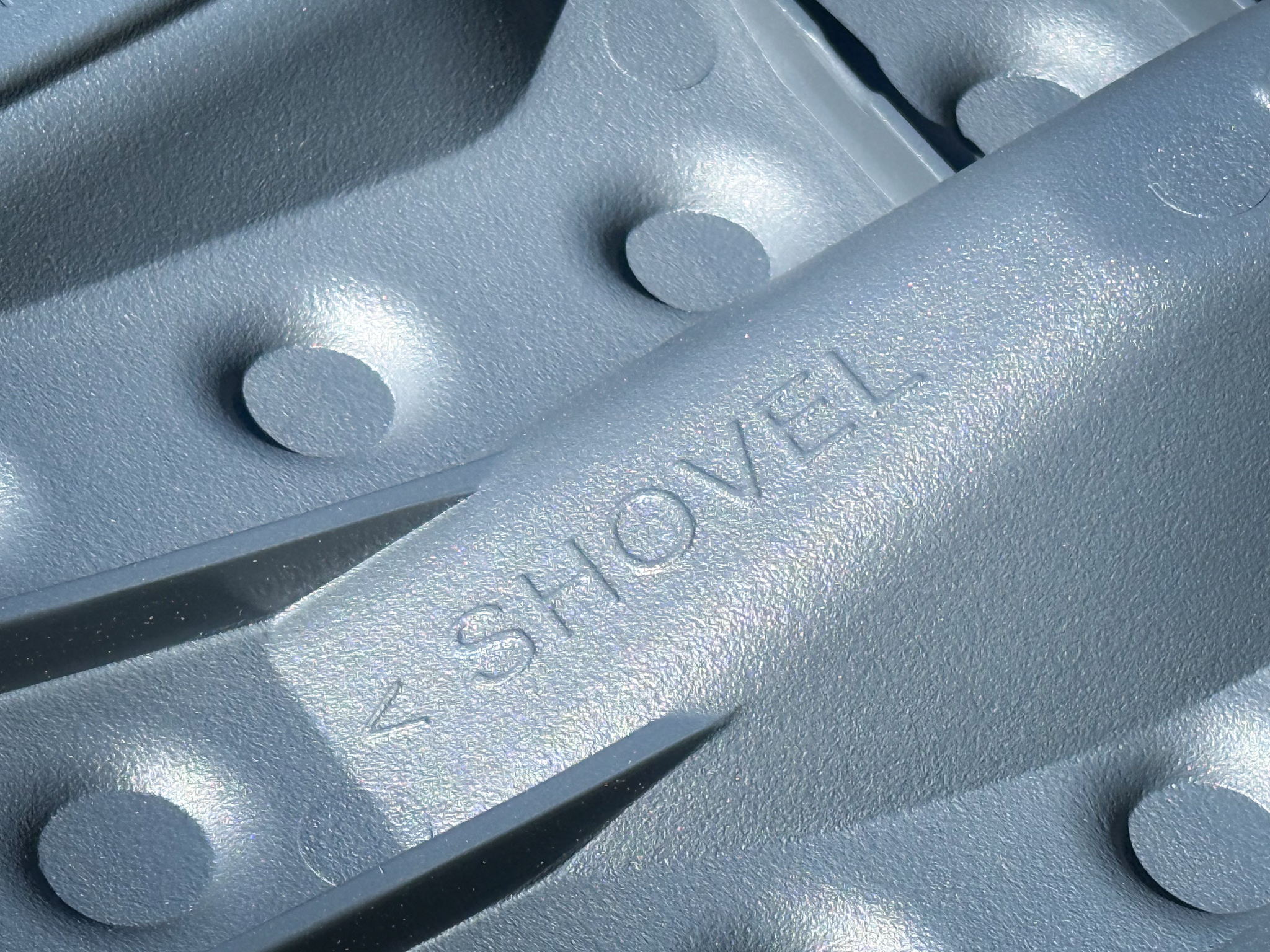
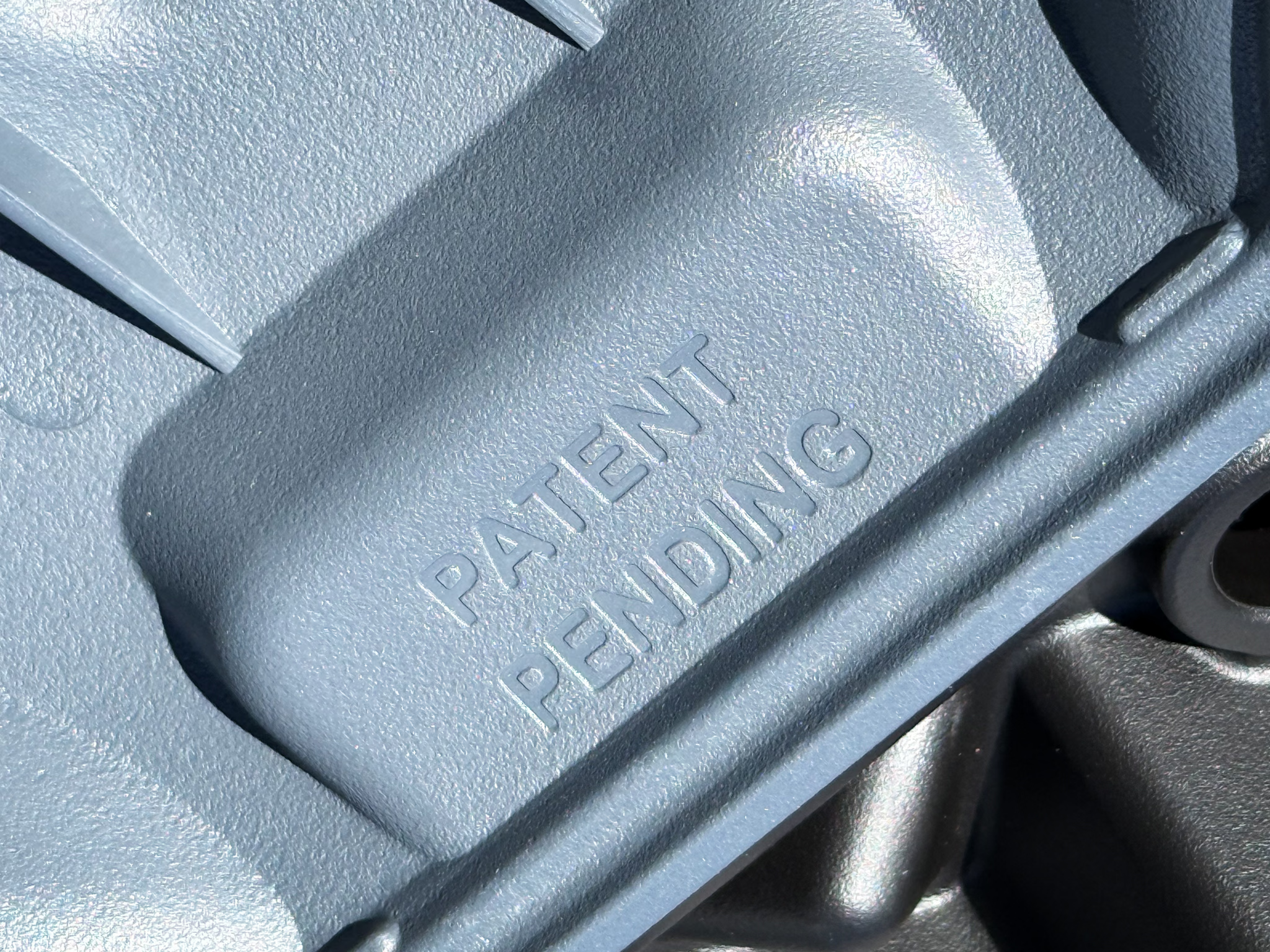
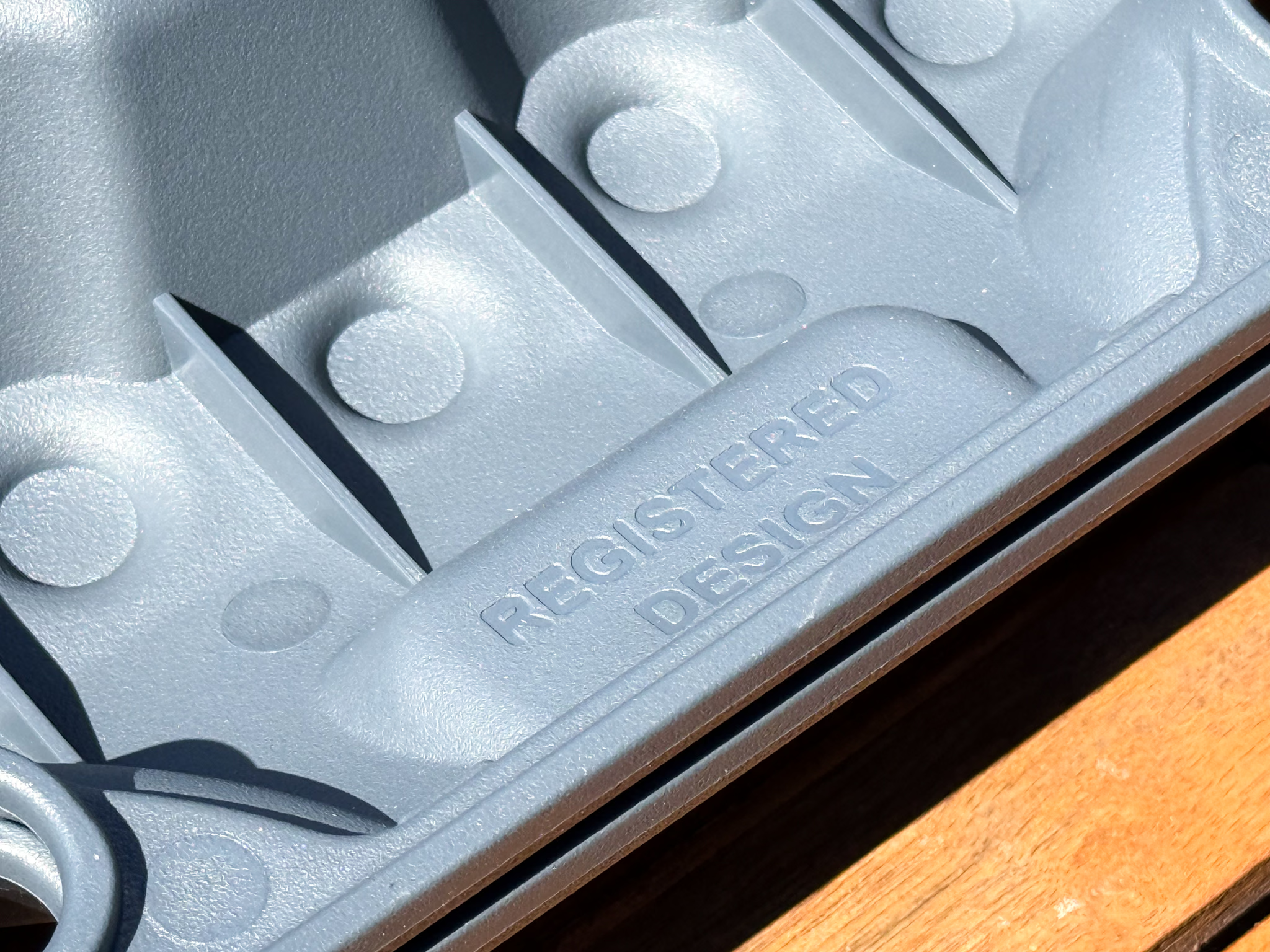
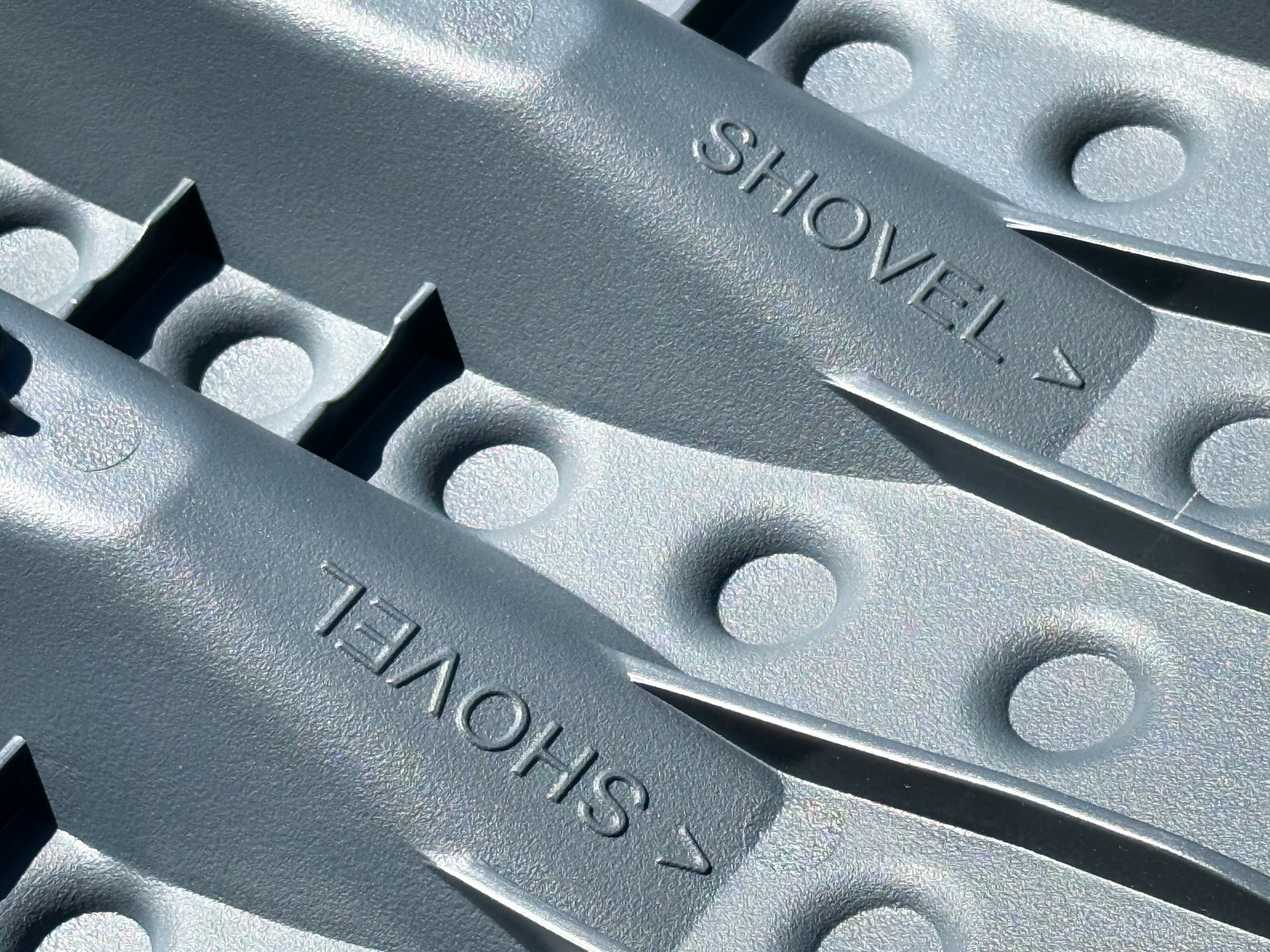
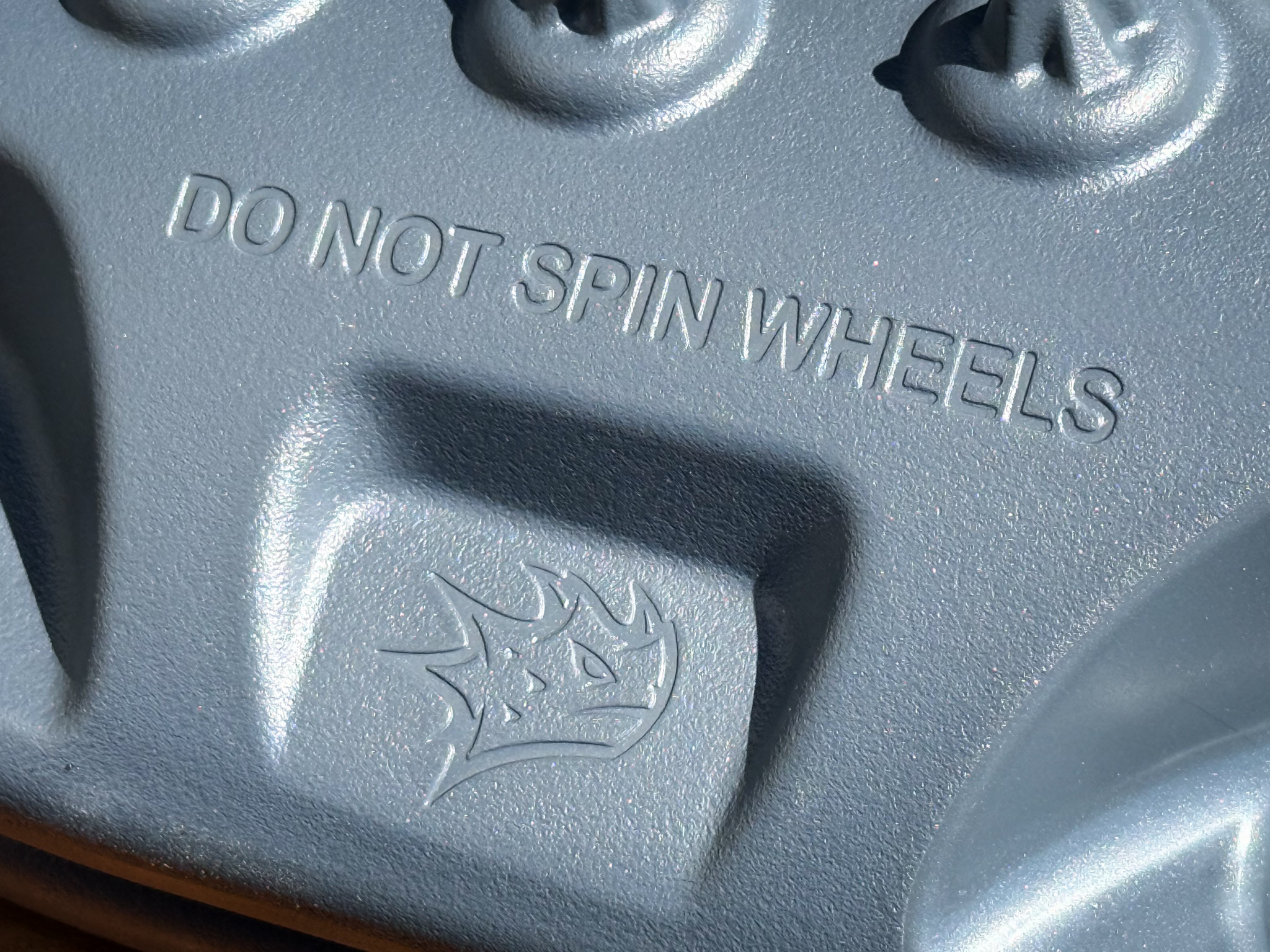
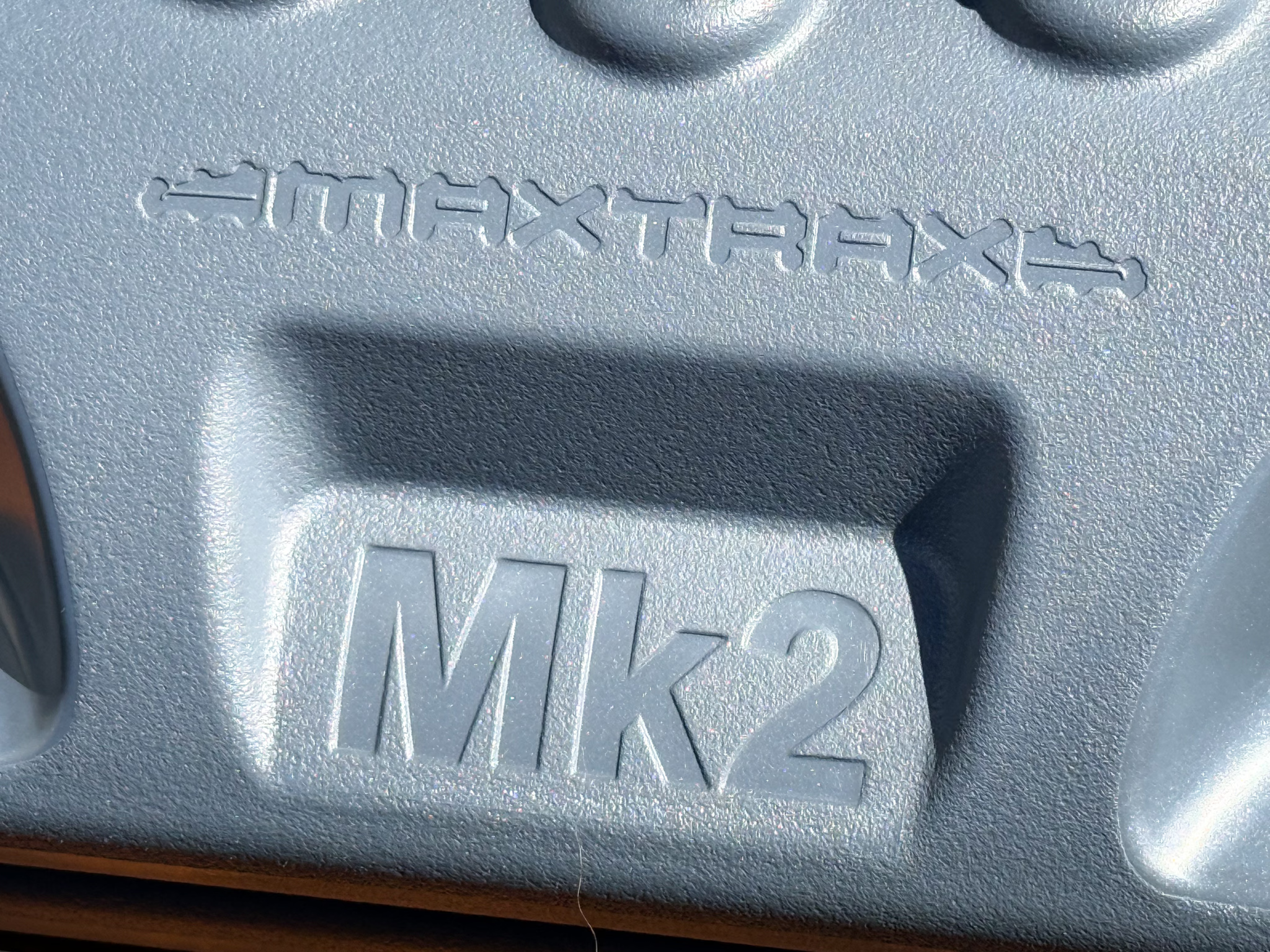
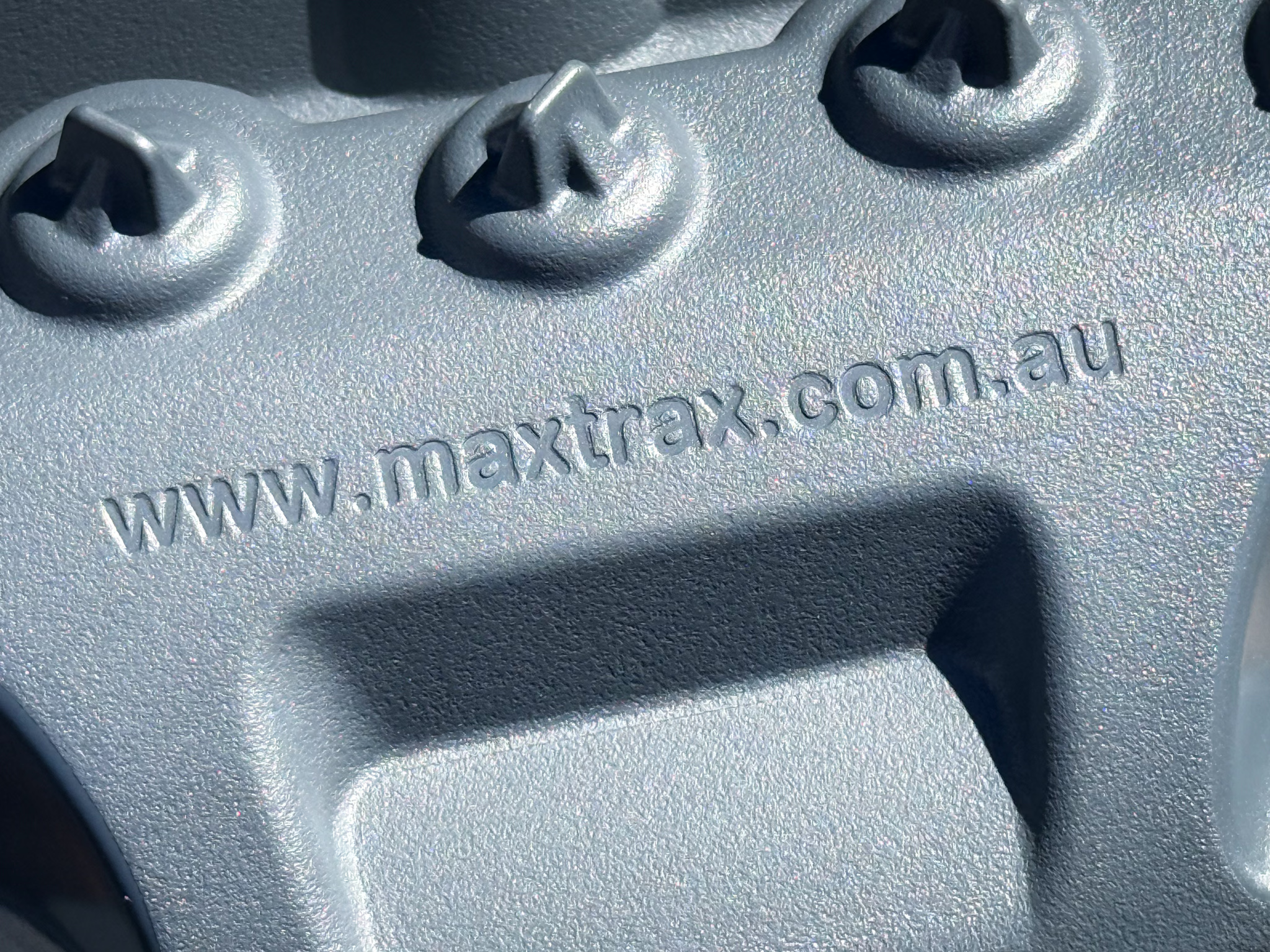
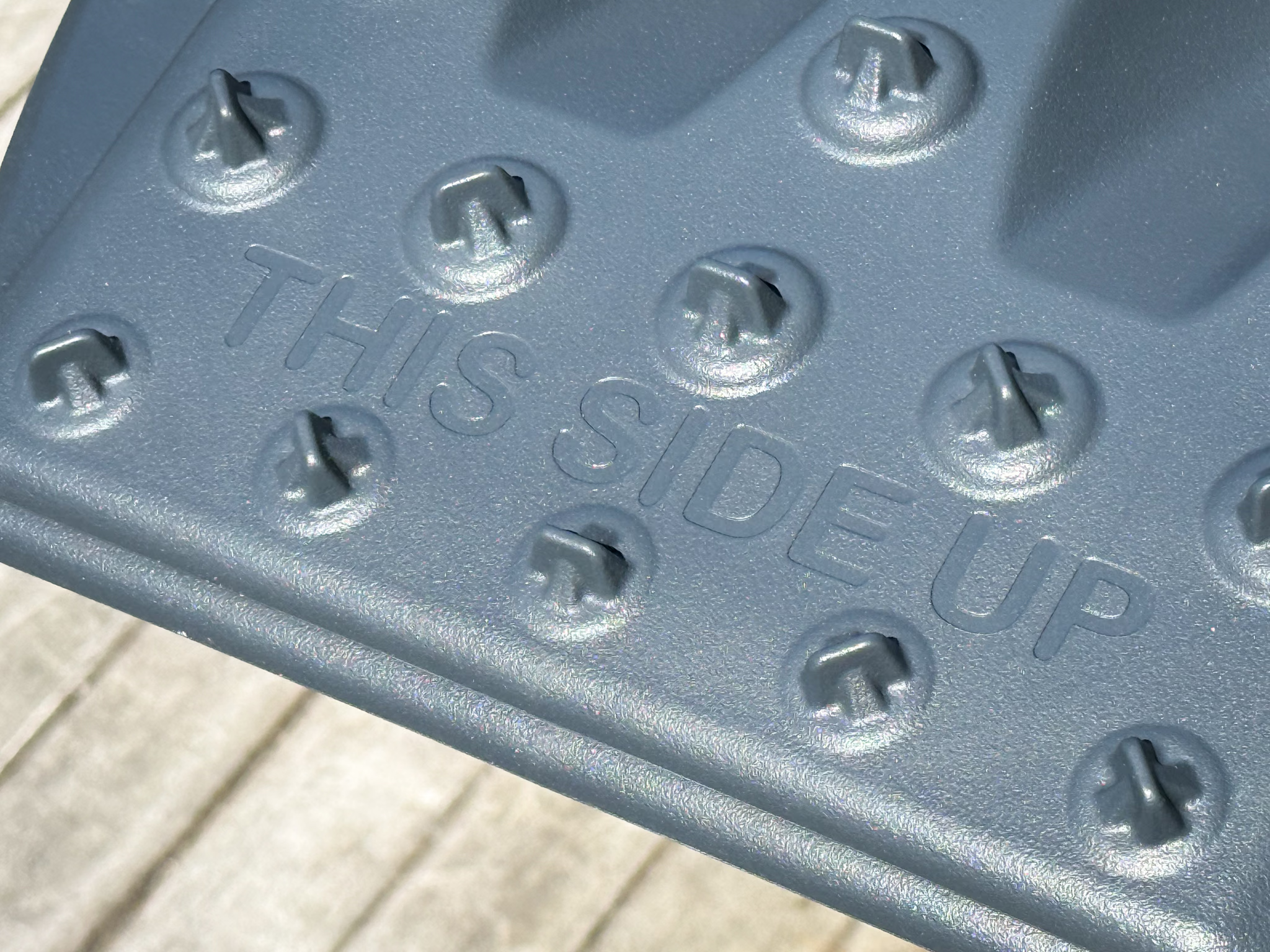
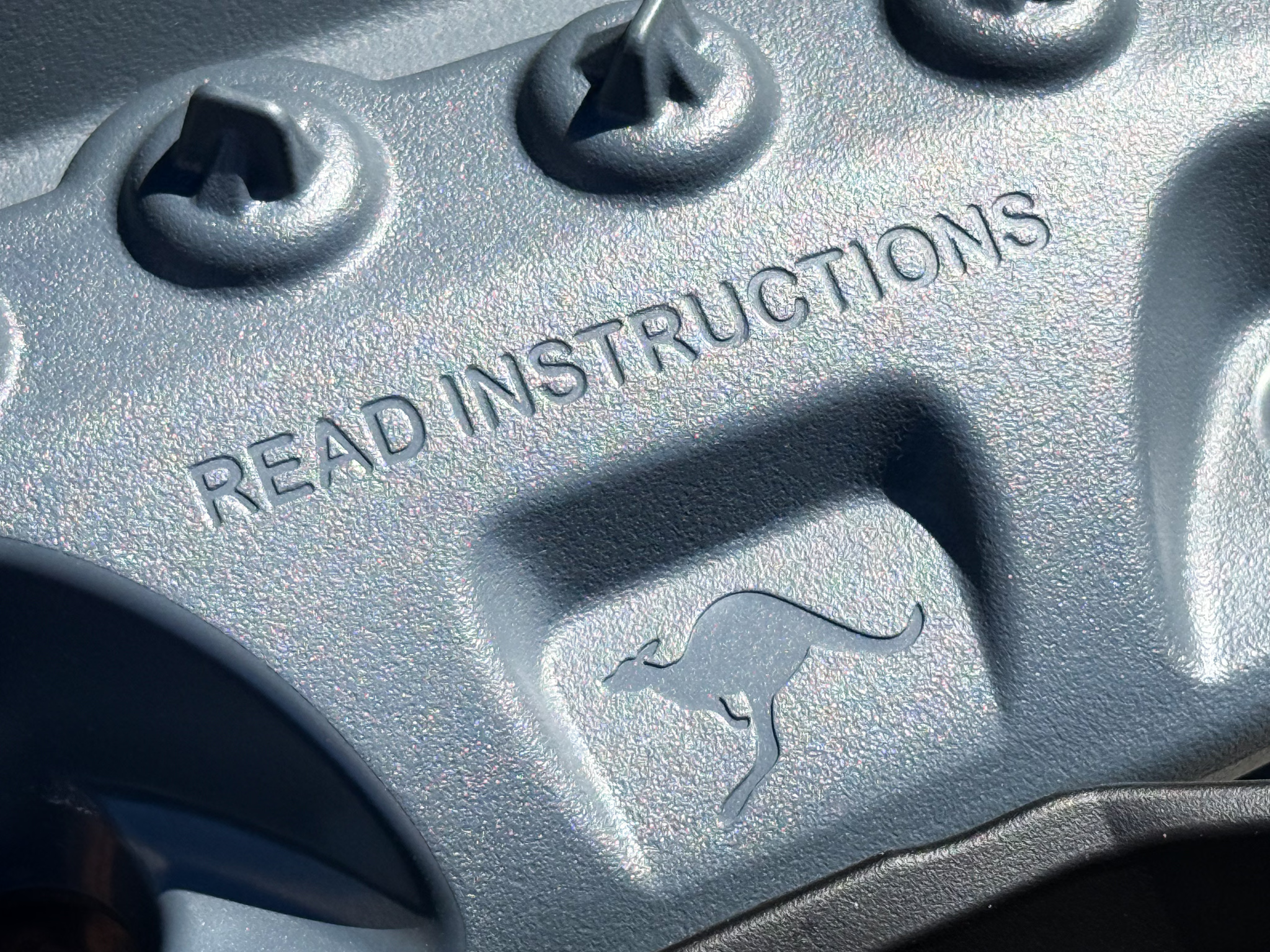
The Maxtrax has extensive text and branding. Every flat surface seems to have something on it, from the probably helpful “This Side Up” along one short edge to their web page URL to reminders to not spin your wheels. You can use one end as a shovel, the board reminds you, and that you should “Read Instructions,” and more. It’s a chatty board.
Packaging
The Maxtrax came in a plain brown box, thinner than it should have been (the last foot or so arrived somewhat collapsed). The Bunker comes in a sturdier box with its logo and two-color graphics printed upon it.
Extras
The Maxtrax comes with two nylon “leashes.”
The Bunker comes with a sturdy nylon carry bag, which has straps and a rubberized interior, two nylon “leashes,” which are apparently intended to help pull your traction board out of the mud once it sinks into it after your 9000 lb van drives over it, and a bottle opener, in the shape of a mini traction board.
Country of Origin
The Maxtrax is made in Australia. The Bunker is made in China.
Cost
The Maxtrax Mk II is $270 at REI. I used a 20% off coupon for REI members, which they give out a few times a year. The Bunker (7th Gen) was $88 at Amazon, and I checked the box for the on-page coupon for a total pre-tax price of $79.19. Both get great reviews.